
Translation result
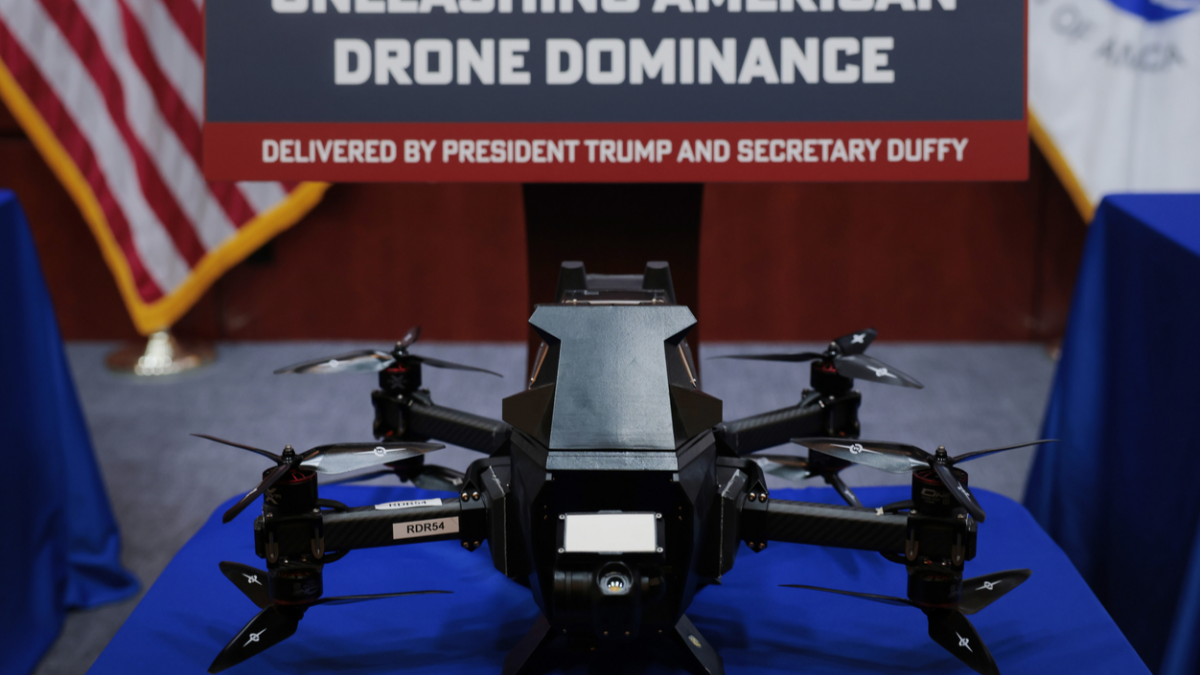
Largest post–World War II increase: U.S. defense budget rises to $1.5 trillion (about 2,200 trillion KRW (approximately 1.65 trillion USD))
The U.S. proposed a fiscal 2027 defense budget of roughly $1.5 trillion — an increase of about 44% from the prior year.
Converted to Korean won, that comes to roughly 2,200 trillion KRW (approximately 1.65 trillion USD), more than 30 times South Korea’s annual defense spending.
Officials describe the boost as the largest postwar increase and a mandate to reconfigure the structure of the U.S. military.
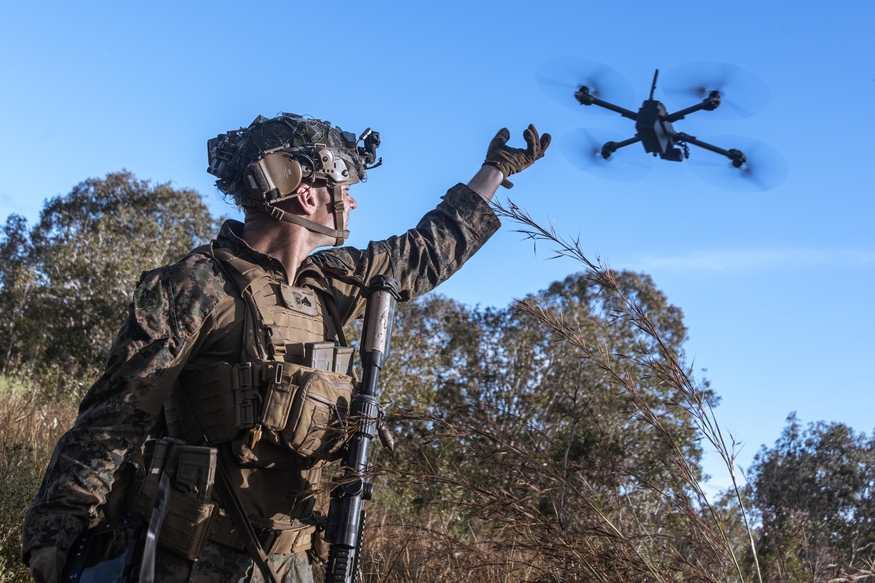
Major investments center on missile defense, expanded naval capability and, above all, an accelerated push into drone forces.
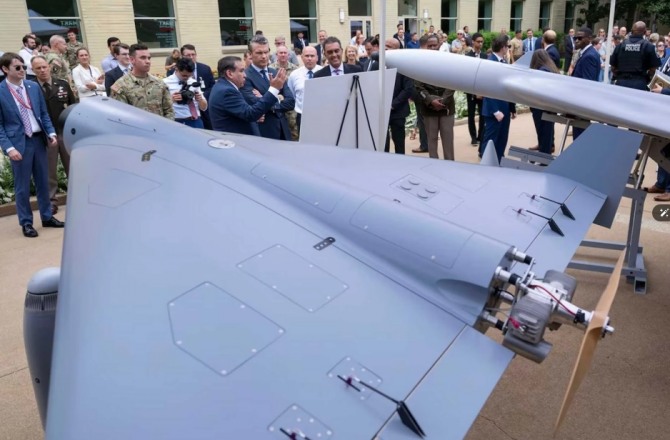
About twice South Korea’s defense budget — roughly 110 trillion KRW (about 82.5 billion USD) earmarked for drones
The most striking allocations are for drones.
About 80 trillion KRW (about 60 billion USD) is listed under a Drone Dominance Initiative to rapidly field attack and reconnaissance unmanned systems, and roughly 30 trillion KRW (about 22.5 billion USD) is earmarked for counter‑drone defenses.
Together those lines amount to roughly 110 trillion KRW (about 82.5 billion USD) — about two times South Korea’s annual defense outlay (~66 trillion KRW (about 49.5 billion USD)).
Practically speaking, the U.S. is signaling a shift in future warfare from manned platforms toward unmanned systems.
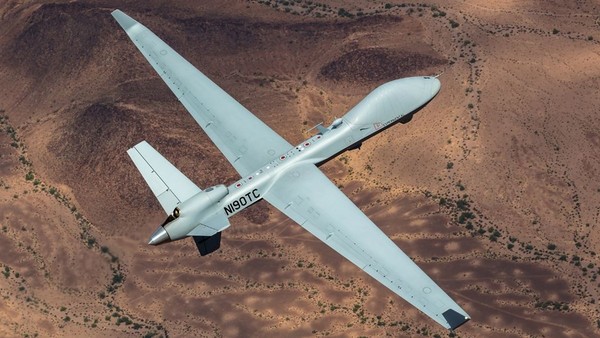
From 200 million KRW (about 150,000 USD) to 82 trillion KRW (about 61.5 billion USD): DAWG budget jumps 240‑fold
The Defense Autonomous Warfare Group (DAWG) now oversees the drone attack enterprise.
Only a few years ago the unit operated with funding measured in the low hundreds of millions of KRW; its budget has surged into the 80‑plus trillion KRW range (about 60+ billion USD) in this cycle.
What began as a program for cheap, expendable systems has expanded to include long‑range, large, and autonomous swarm drones — effectively elevating it to a drone‑force command.
The headline point: the U.S. is pouring sums that dwarf a year of South Korea’s defense spending into unmanned systems alone.
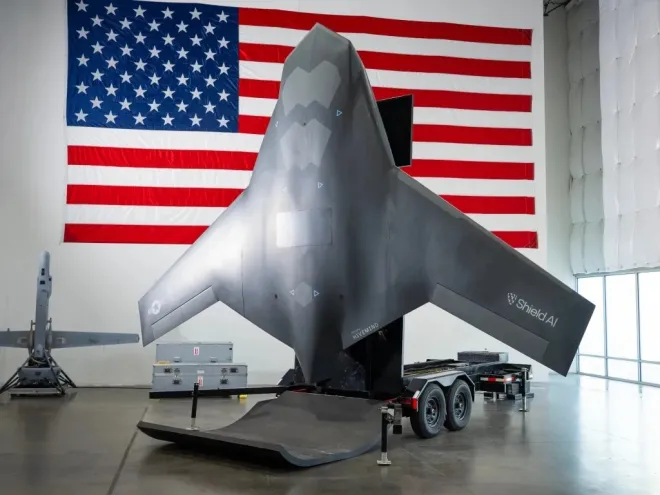
300,000 loitering munitions by 2028 — overwhelming adversary defenses with numbers
The Pentagon has already placed orders for tens of thousands of one‑way loitering munitions.
The stated goal is to field at least 300,000 such systems by 2028, giving U.S. forces the ability to deploy massed drone swarms across contested battlefields.
The approach reverses the old cost calculus — instead of using million‑dollar missiles to stop thousand‑dollar drones, the U.S. aims to use inexpensive swarms to attrit expensive air‑defense systems.
In short, the U.S. intends to let quantity and attrition strategies, not solely a handful of high‑cost precision weapons, shape future engagements.
Ships, missiles, AI and space — investments knit into a multi‑domain force
The budget does not prioritize drones alone.
The Navy is slated for funding in the roughly 130‑trillion KRW range (about 97.5 billion USD), most of it for new ship construction and major platforms.
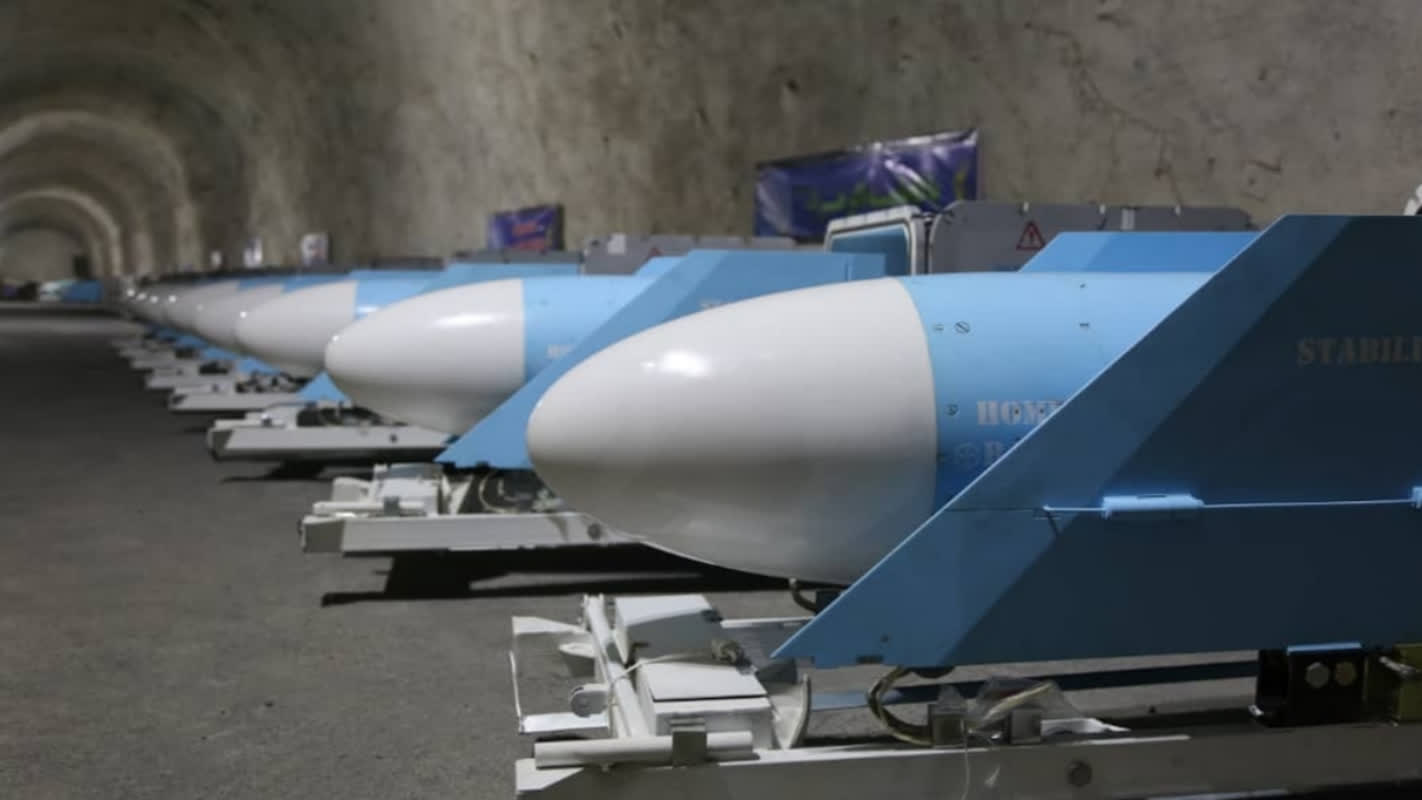
Missile and munitions funding also jumps to around 100 trillion KRW (about 75 billion USD) to replenish stocks drawn down by contingencies and increased operational demand.
Tens of trillions of KRW (tens of billions USD) more are directed to AI and supercomputing infrastructure, and to a proposed space‑based missile‑intercept layer nicknamed the “Golden Dome,” aiming to elevate capabilities across land, sea, air, space and cyber domains.
U.S. pushes allies toward 5% of GDP — mounting pressure on South Korea
In its budget outline the U.S. identified a strategic goal for allies to raise defense spending to roughly 5% of GDP.
South Korea, Japan and NATO members have signaled targets to reach at least 3.5% by 2035.
Many European NATO members have only recently surpassed the 2% benchmark; the U.S. is effectively pressing for higher burdensharing.
For Seoul, hefty U.S. investment in future core systems offers reassurance — but it also sharpens a practical question: how much higher must Korea’s own defense spending climb to align with that vision?








Most Commented