
Translation result

In Estonia, which borders Russia, local firm TOCI and Northrop Grumman have agreed to study a U.S.-style, next-generation integrated air-defense command solution built around the Integrated Battle Command System (IBCS).
Instead of simply buying more interceptors, the partners are prioritizing resilience by tying distributed sensors and launchers into a single, coherent combat network.
Estonia is fielding the German-made IRIS-T SLM medium-range air-defense system, which has a reported maximum range of about 40 km (roughly 25 miles). In a compact country like Estonia, detection speed — finding a threat first — often matters more for survival than raw missile performance.
When Russian cruise missiles or loitering munitions approach at low altitude, standalone batteries show their limits. A true sensor-to-effector environment that shares radar tracks and assigns interceptors within seconds is essential.
IBCS: the brain that makes an air-defense network operate like a single commander
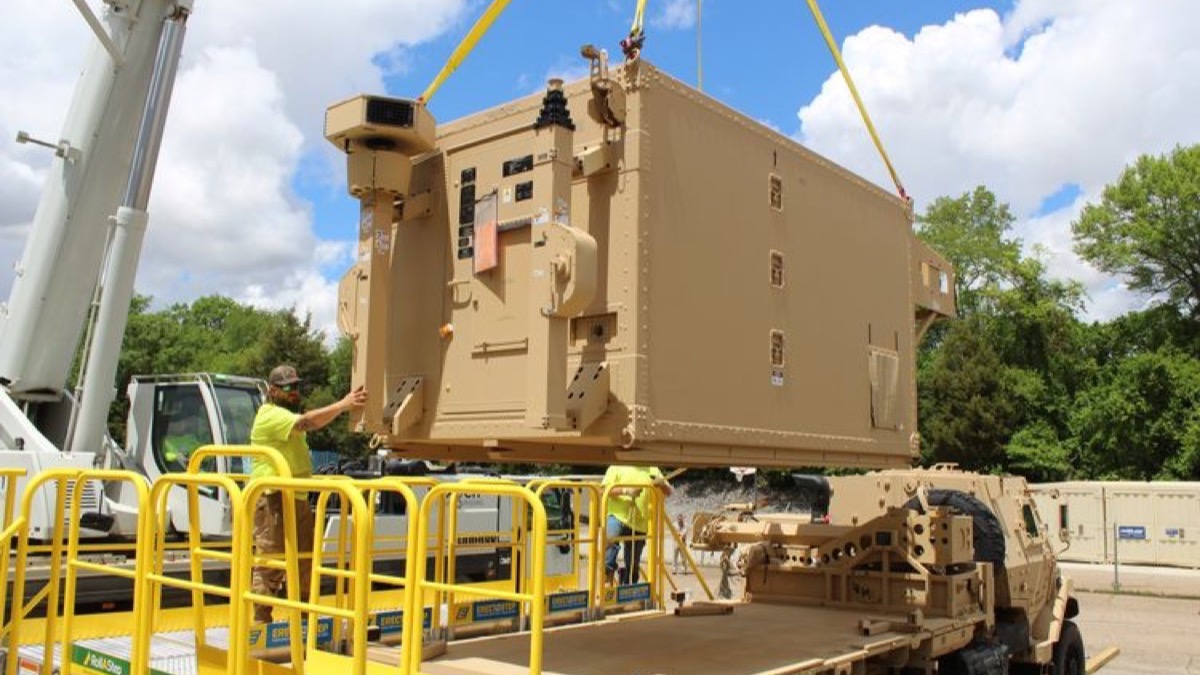
Northrop Grumman’s IBCS is not a missile; it’s a command-and-control network that links every air-defense asset on the battlefield.
The system fuses radars and launchers from different manufacturers in real time and automatically calculates optimal engagement plans.
With IBCS in place, medium- and short-range systems stop operating as isolated batteries and instead coordinate target assignments. Low-cost drones can be routed to inexpensive short-range interceptors while high-threat cruise missiles are handed off to medium-range systems.
Where previous air-defense doctrine evaluated individual battery performance, future conflicts will hinge on connectivity that keeps the engagement network alive under electronic attack. Smart allocation — assigning the right weapon to the right target at the right time — provides more protection than simply amassing more missiles.
Future challenges for Korea’s indigenous K-air defense network to handle complex threats on the peninsula
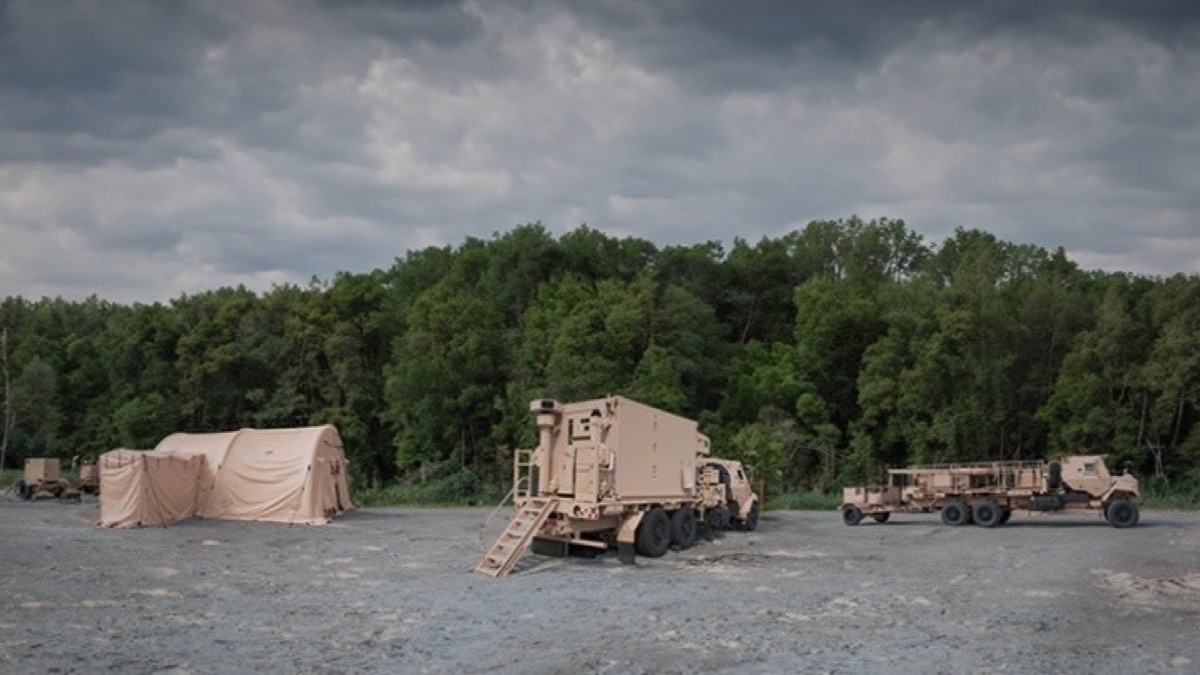
Shifts on NATO’s eastern flank show that patrol flights alone can’t guarantee the protection of critical bases and ports. If a surprise strike occurs, ground-based air defenses must sort targets and absorb the initial blow without external support.
The same logic applies to the Korean Peninsula, where missiles, multiple-launch rocket systems and kamikaze drones could attack simultaneously. Even with Patriots and Cheongung interceptors in service, gaps open if command-and-control is slow.
Hanwha Systems and Northrop Grumman are already exploring IBCS-based cooperation, which has pushed interoperability and command-and-control to the top of South Korea’s defense priorities. Against complex aerial threats, the quality of a joint command network matters more than the sheer count of weapons.
Small states like Estonia move quickly to integrate networks because once missiles start flying there’s no time for ad hoc coordination. On the modern battlefield, connectivity equals survivability, and data-transmission speed is as decisive as weapon range.
Trending now
- “A Hellfire that costs hundreds of millions KRW (roughly a few hundred thousand USD) is a luxury” — The U.S. Marines’ new tactics focused on cost-effectiveness
- “The problem with artillery wasn’t just firepower” — What the U.S. M777A2 revealed about artillery operations
- “Like a ghost, it flew 4,600 km for a surprise strike” — A first look at the U.S. ‘ghost ship’ that could reshape Pacific deterrence (about 2,860 mi)






Most Commented