
Translation result
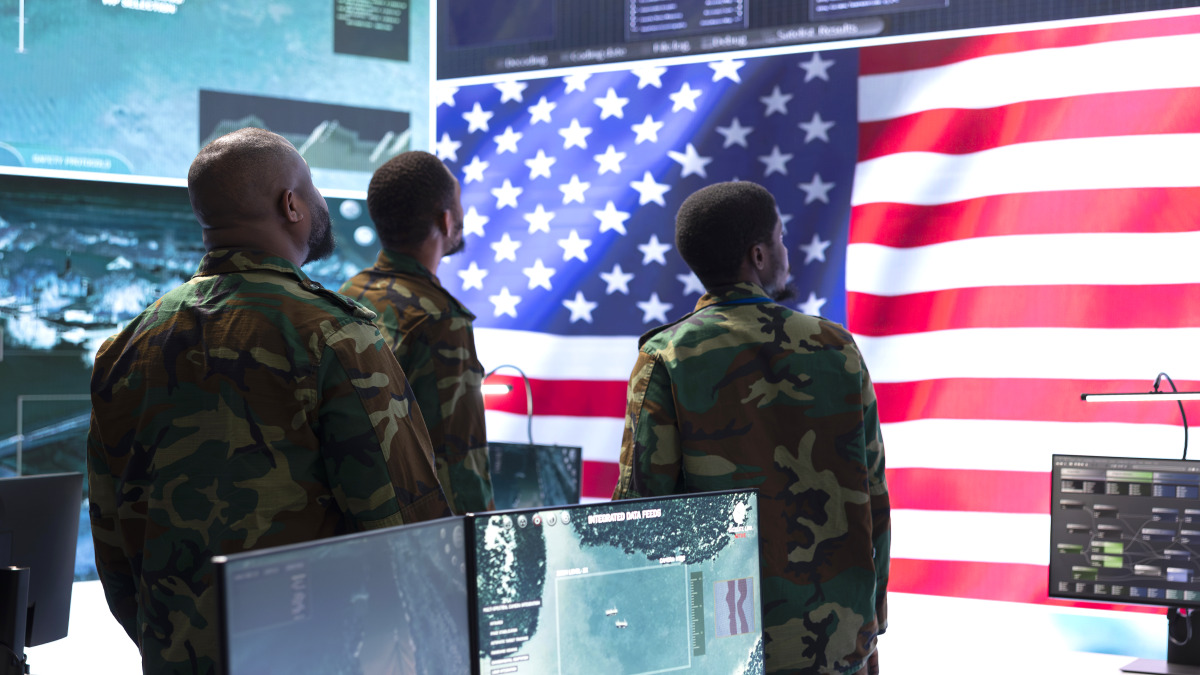
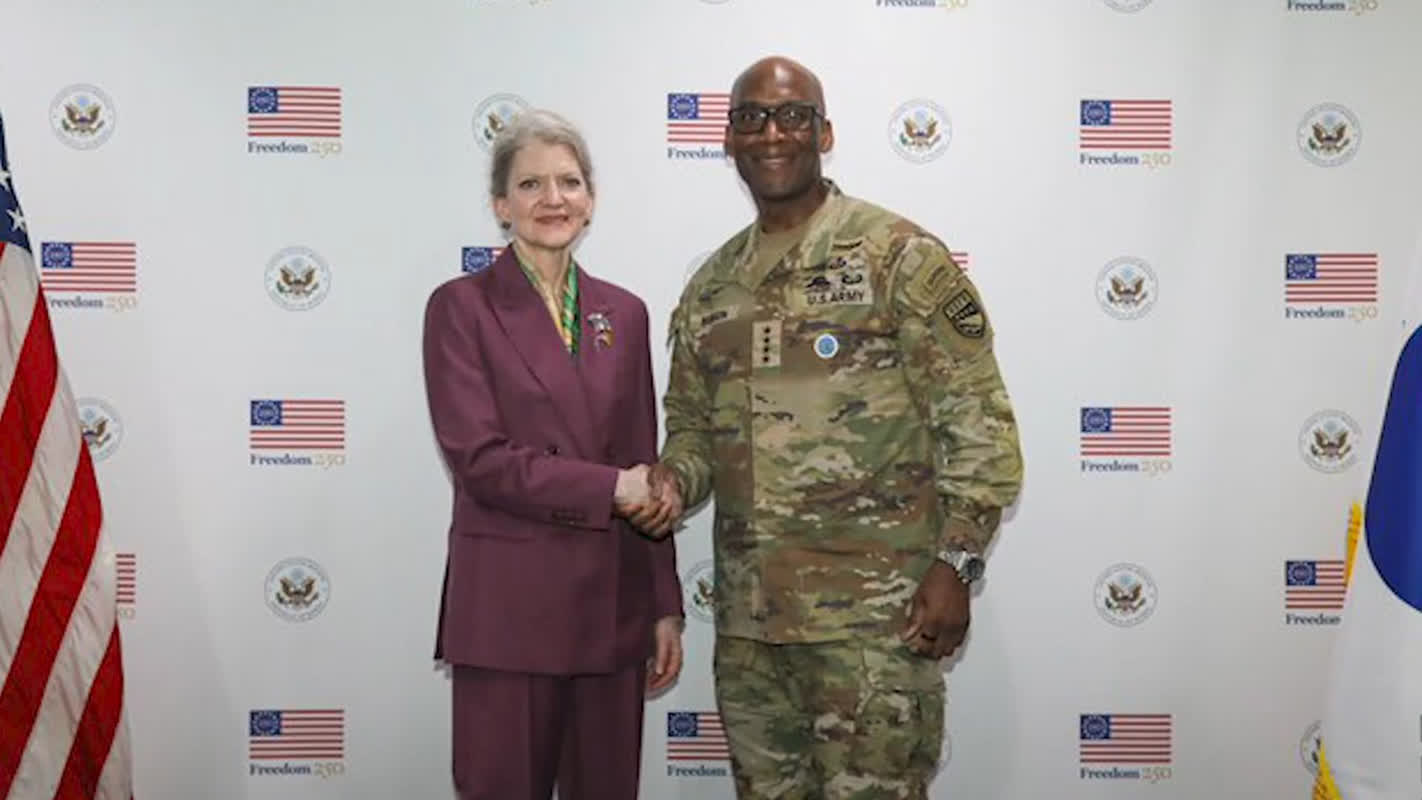
U.S. Special Operations Command (USSOCOM) commander Frank Bradley issued a stark warning about the rush to field artificial intelligence (AI) on the battlefield.
Bradley acknowledged AI’s potential to boost operational efficiency but emphasized that any use of force must comply with the laws of armed conflict—distinction, proportionality and accountability—and that final decisions must remain with human commanders.
Special operations forces serve as a proving ground for technologies like drone swarms and AI-based target recognition. As multiple data streams fuse in real time, small-unit commanders are increasingly pressured to make split-second decisions.
What Data Can’t Read on the Battlefield
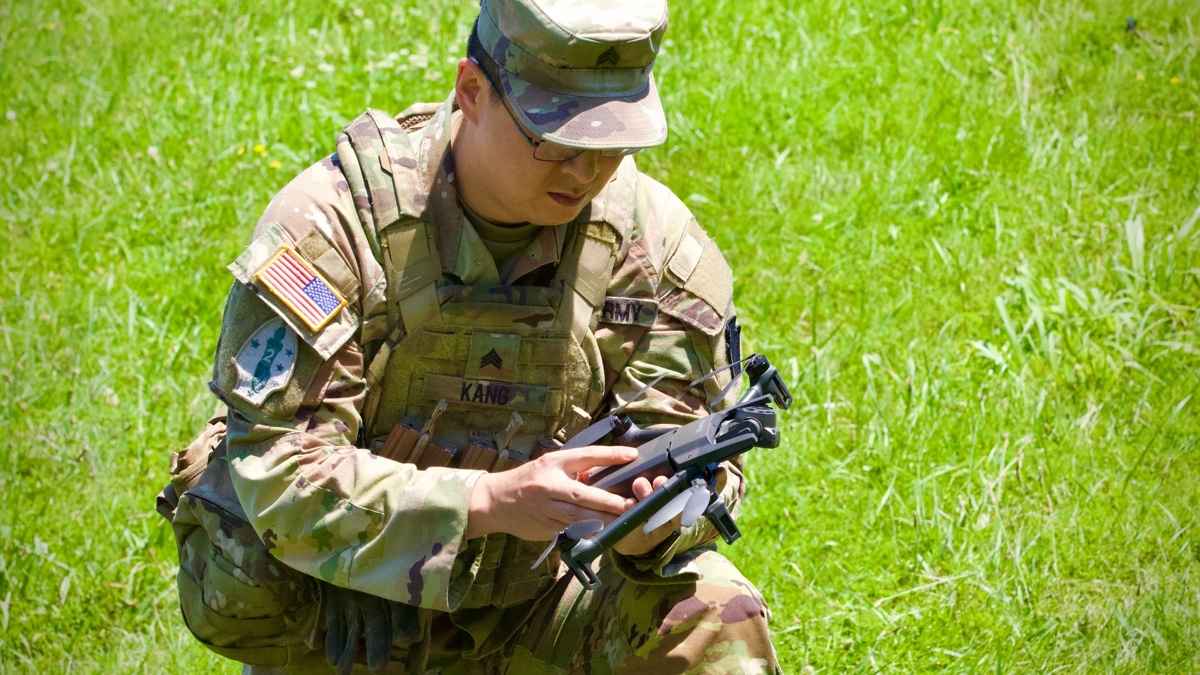
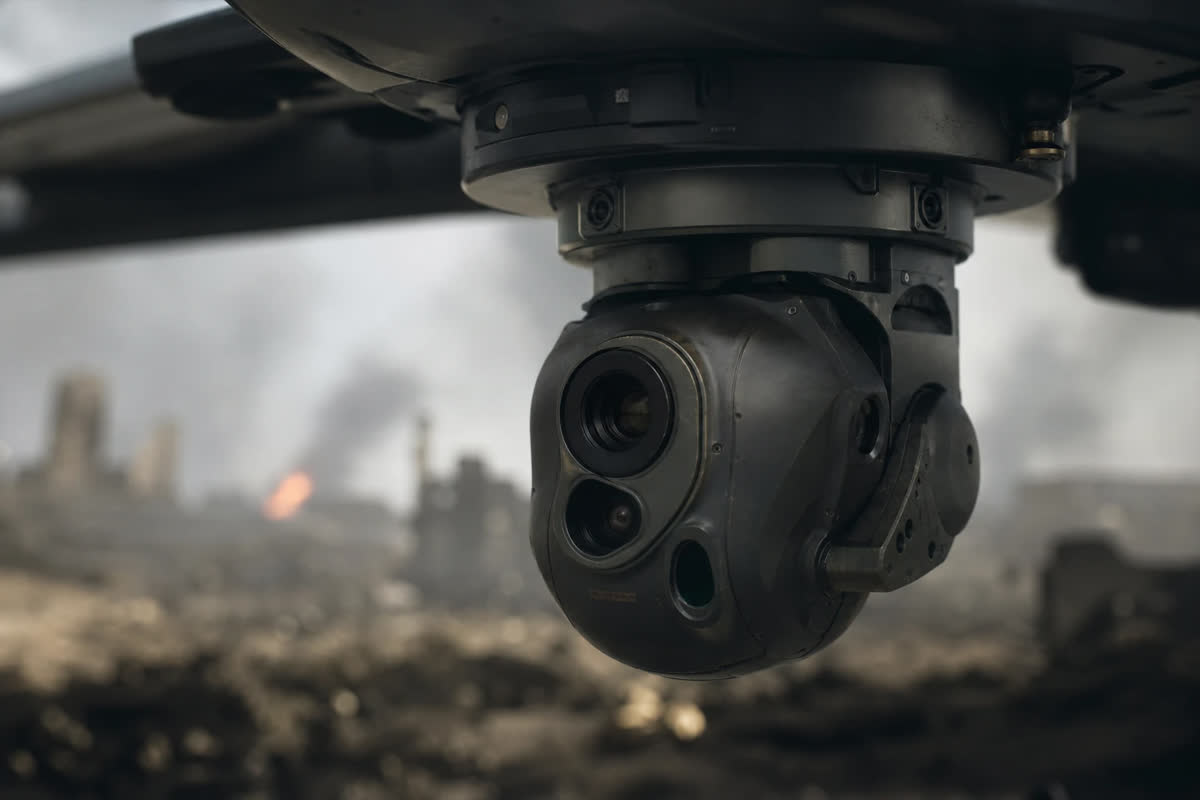
AI is highly effective at sorting vast amounts of imagery and signals to quickly flag potential targets.
In asymmetric special operations—where small teams must monitor large areas—AI is a compelling force multiplier.
But AI cannot fully grasp the battlefield’s nuanced context. Sudden variables—civilian vehicles near a target, enemy deception tactics or overtures of surrender—can confuse models and lead to deadly misidentifications.
The core issue is not simply whether to adopt AI, but the scope of its authority. Even if automation expands through reconnaissance and detection, the authority to approve strikes and the legal responsibility for those acts should remain squarely within the human chain of command.
Precision Required by the Korean Peninsula’s Security Environment
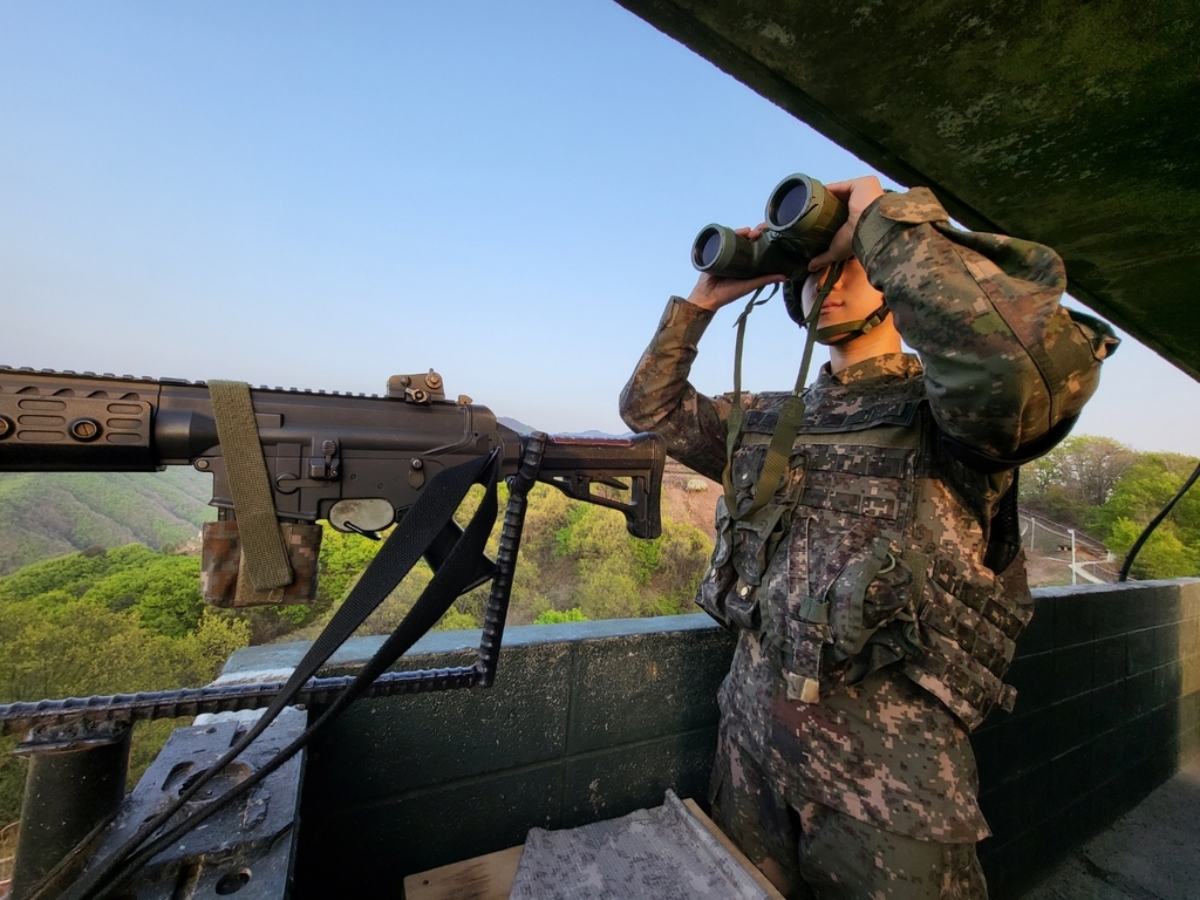
The South Korean military is accelerating deployment of AI-enabled manned-unmanned teaming (MUM-T) and automated command-and-control systems.
Human vision alone cannot meet the real-time demands of responding to North Korea’s surprise long-range fires and drone threats.
But the Korean Peninsula—densely populated and facing the Military Demarcation Line (MDL)—allows no margin for error. One algorithmic misidentification could escalate from a tactical mistake into a national crisis or full-scale war.
Success for battlefield AI will hinge less on flashy features than on reliability-by-design and clear lines of accountability. Systems that leave responsibility ambiguous become an added psychological burden for commanders on the ground.
Human Intervention: The Future Competitive Edge in Defense
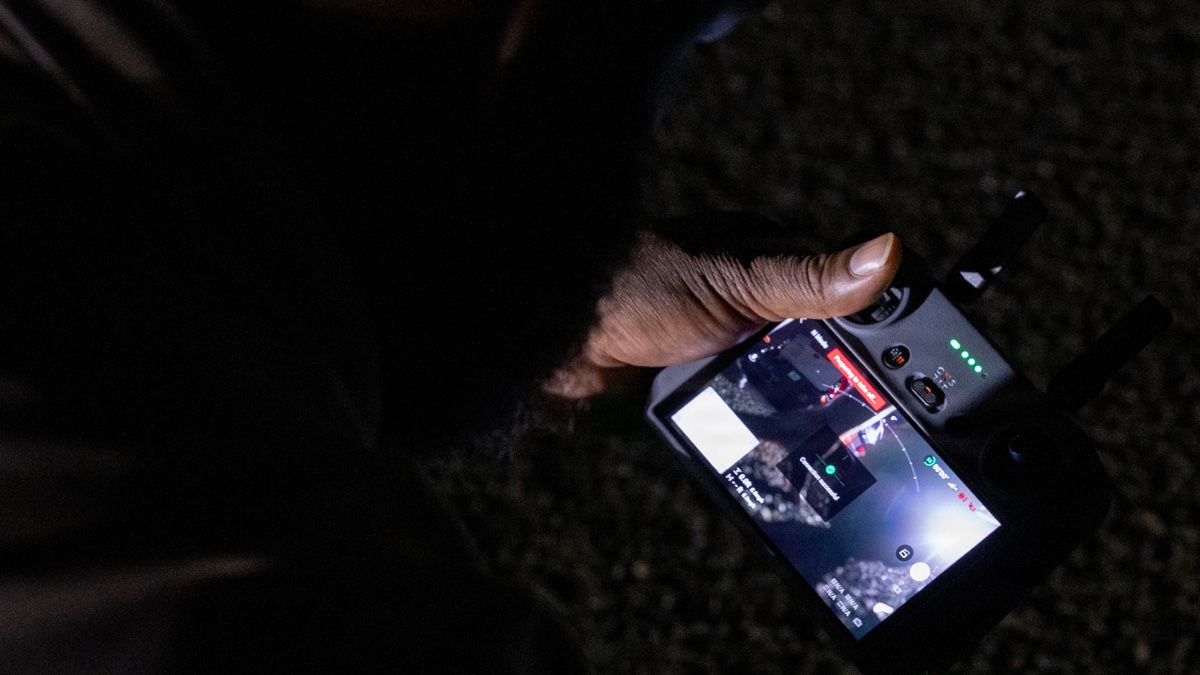
AI can surface candidate targets, but it cannot shoulder responsibility for the political and strategic fallout of a strike.
Mandatory verification protocols and human sign-off—the ‘human-in-the-loop’ principle—are essential before systems are fielded.
The global defense procurement market is shifting from pure specs competition toward stricter assessments of explainable AI (XAI) and transparent accountability. South Korea should match its pace of weapon automation with robust legal and oversight frameworks.
The real advantage of battlefield AI isn’t how many processes it automates, but where humans can safely intervene and stop the system. In this era, reliability is the defining metric of weapon performance.
Trending Now
- “We were effectively blind for five years” — Britain exposed after leaving its skies undefended
- “It was basically war, just without guns” — Russia trailed submarines and captured their ‘noise patterns’
- “We will erase all traces of the Soviet Union” — Eastern Europe stunned as a 25 trillion KRW (approximately $18.75 billion) rearmament plan unfolds in five years





Most Commented