
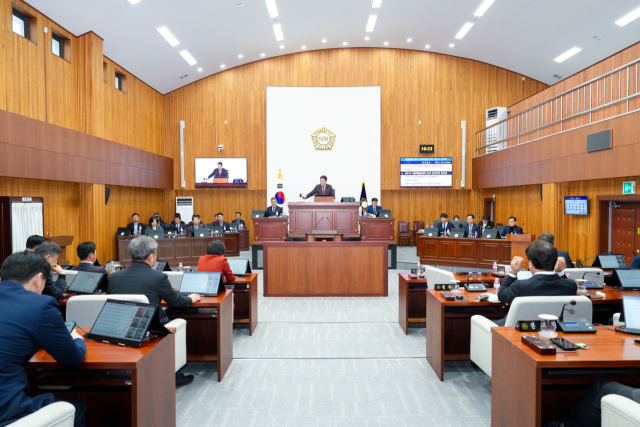
The Gyeongju City Council in North Gyeongsang Province concluded the eight-day 296th extraordinary session on the 18th, following its second plenary meeting.
During the session, councilors reviewed and approved 13 agenda items, including policy proposals addressing local challenges and ordinances affecting residents’ daily lives.
In five-minute open remarks before the plenary, three councilors presented detailed proposals aimed at shaping Gyeongju’s future.
Councilor Kim Dong-hae highlighted the severe damage from pine wilt disease on Songhwa Mountain and Oknyo Peak and urged adoption of a Gyeongju-style alternative-species model to coordinate removal of infected trees and systematic species replacement.
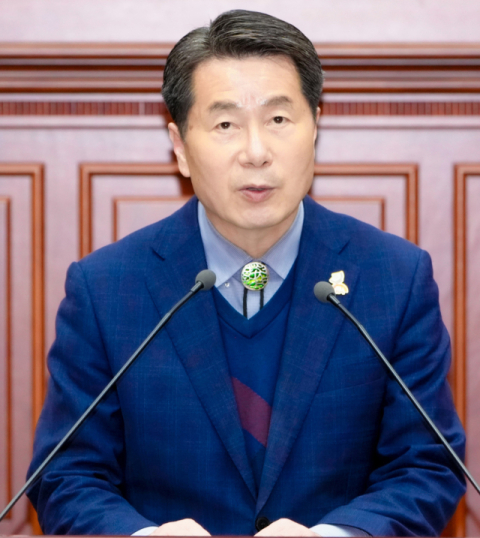
Vice Chair Im Hwal proposed a strategy to translate the 2025 APEC summit’s outcomes into economic growth, recommending the creation of an International Trade Task Force and establishment of a Gyeongju International Trade Center to position the city as a hub for international commerce.
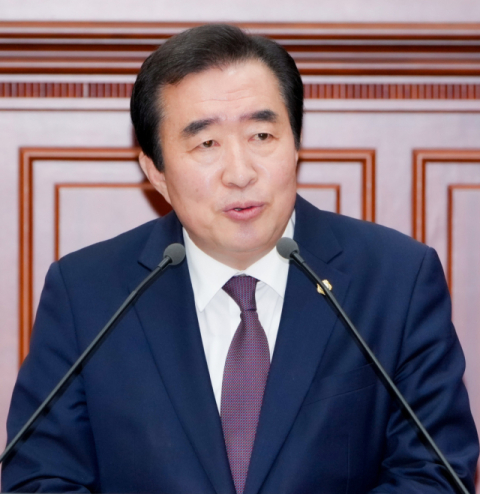
Park Gwang-ho, chair of the Cultural City Committee, emphasized the need to cultivate civic ownership and strengthen community collaboration to revitalize the local economy and confront challenges such as population decline.
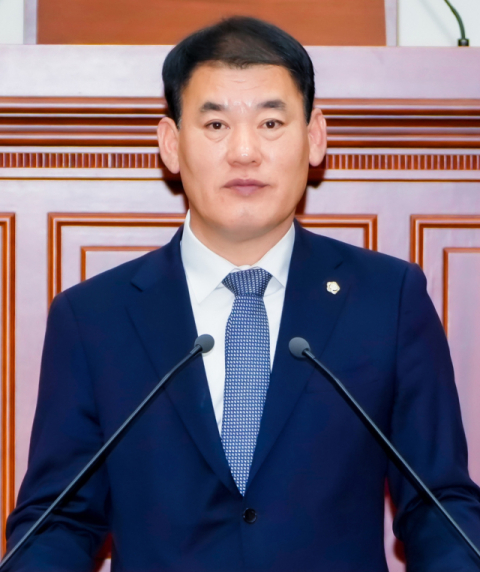
At the plenary, councilors handled 13 items in total: six livelihood-focused ordinances—covering industrial accident prevention and workplace safety and health support, prevention of inter-unit noise in apartment buildings, and subsidies for public transit for children and youth—three consent items, two items for soliciting opinions, and two amendments to the public property management plan.
After review, the ordinance partially amending the Gyeongju City Waterworks’ cause-of-burden fee regulation was approved with revisions following closer scrutiny; the remaining items were adopted as originally proposed.
The first 2026 amendment to the public property management plan, which includes acquiring land for a temporary APEC transfer parking lot and developing a one-stop cultural complex center in Hyeongok-myeon, was also approved.
Chair Lee Dong-hyeop closed the session by urging the executive branch to implement thorough follow-up measures so the proposed policies translate into tangible improvements in residents’ quality of life.








Most Commented