
Translation result
 |
| /Yonhap |
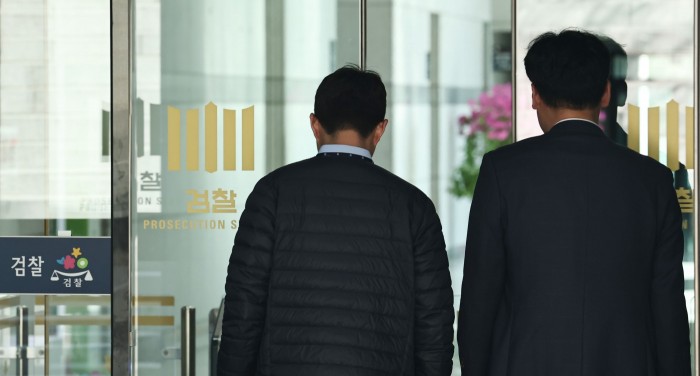
As the prosecutors’ office faces disbandment this October, an increasing number of prosecutors are resigning. Reforms driven by the ruling party and the government have prompted many to leave before the new agency is established, stoking concerns about gaps in criminal investigations. The drop in personnel is significant, but the operational problem is compounded by junior prosecutors—many with minimal field experience—being pressed into roles vacated by mid‑career investigators, producing a capability shortfall that exceeds what the raw numbers indicate.
Asia Today’s reporting found that 677 prosecutors left the prosecution service between 2021 and 2025. Over the same period, authorities recruited 569 new and experienced prosecutors, resulting in a net outflow of 108. That loss is roughly equivalent to the full staffing complement of the Seoul Southern District Prosecutors’ Office (109), underscoring the scale of the decline. A January 1 comparison of filled positions against authorized posts shows a nationwide shortfall of more than 10%. Local district prosecutors’ offices have an authorized headcount of 2,097 (excluding the Supreme Prosecutors’ Office and high prosecutors’ offices), but actual staff total 1,822—86.9% of authorized strength. The total number of vacancies is 275, exceeding the authorized staff of the Seoul Central District Prosecutors’ Office (267).
Alarmingly, roughly nine in ten newly appointed prosecutors are entry‑level, raising questions about whether investigations are being handled adequately. During this period, only 4 experienced prosecutors were hired in 2021, 3 in 2022, 3 in 2023, 32 in 2024 and 24 in 2025. With mid‑career personnel who sustain institutional capacity departing, inexperienced prosecutors are being thrust into casework without sufficient hands‑on training. That dynamic has contributed to investigation delays and an expanding case backlog.
Front‑line offices report growing operational strain. Major criminal cases—fraud, sexual assault and financial crimes—are increasingly left dormant in prosecutors’ files. Unresolved cases at prosecutors’ offices nationwide reached 96,256 last year, roughly three times the total in 2021, the first year after the police‑prosecution investigative‑authority reallocation. Long‑term unsolved cases—those open more than three months—have surged eightfold, from 4,426 to 37,421. In some local offices, a single investigating prosecutor now carries responsibility for more than 500 unsolved cases. With retirees and personnel transferred elsewhere, remaining investigators are forced to absorb heavy caseloads and spend entire days processing warrant paperwork. Staff say frequent overtime and weekend work are still insufficient to keep up.
Officials must decide whether to grant prosecutors supplemental investigative powers, but critics doubt those powers can be exercised effectively while the prosecution service is fragmenting. Since the police were granted primary authority to close investigations under the investigative‑authority adjustment, prosecutors’ incentives to pursue cases appear to have weakened, a factor that likely contributed to the outflow. If investigators with institutional knowledge depart en masse, the criminal justice system risks significant dysfunction. The government should move quickly—beginning with accelerated recruitment of prosecutors and other remedial measures—to restore investigative capacity and safeguard citizens’ rights through rigorous, accountable prosecutions.









Most Commented