
Bridging the Gender Gap: Key Insights from Korea’s Youth on Mental Health and Equality
Daniel Kim Views
Translation result
The Ministry of Gender Equality and Family convened a forum aimed at narrowing gender-perception gaps among young people and shaping a future in which men and women can thrive together.
Minister Won Min-kyung emphasized that cooperation between men and women is central to effective policy and pledged to bring frontline voices into policymaking.
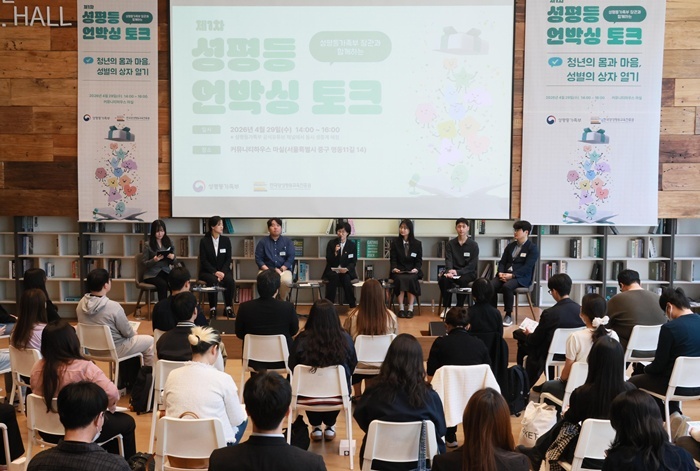
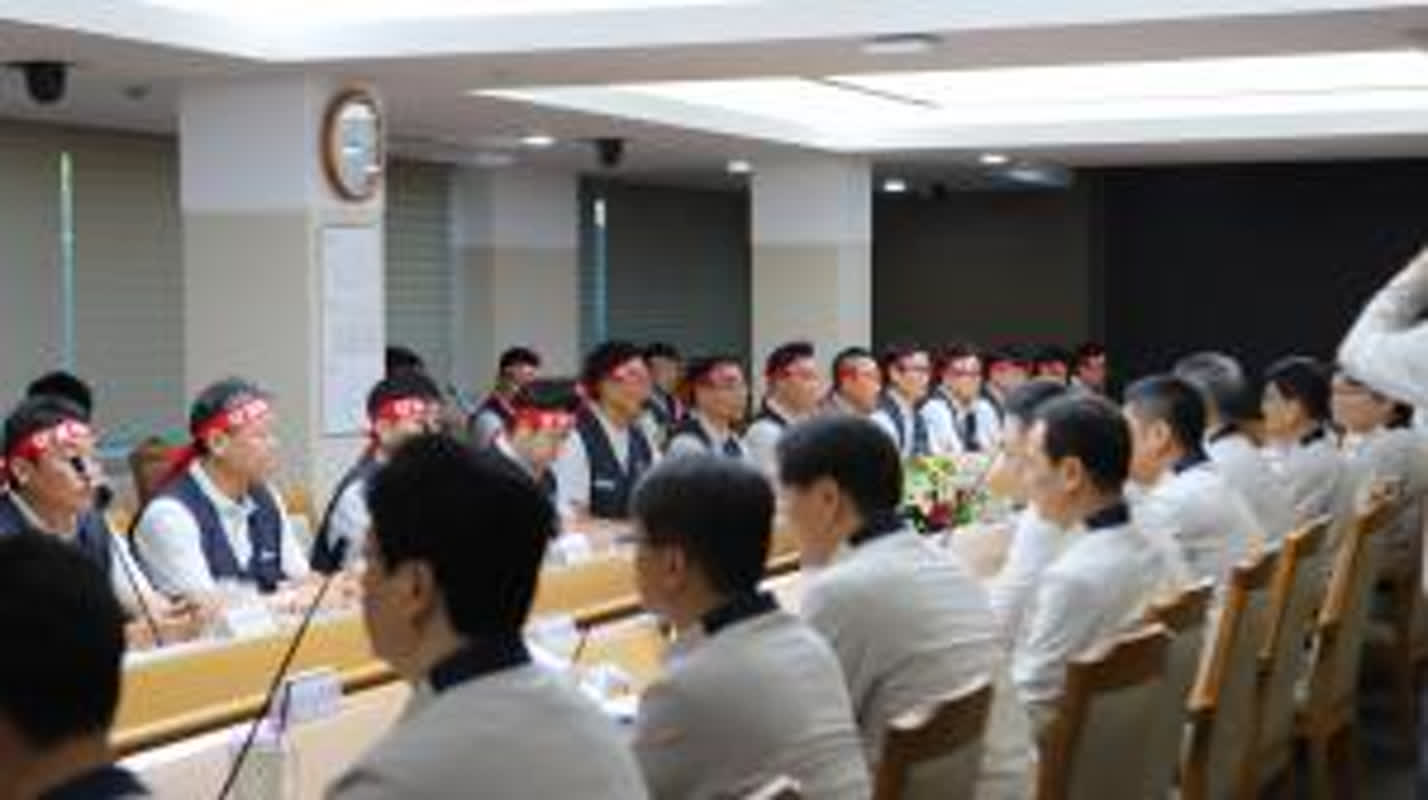
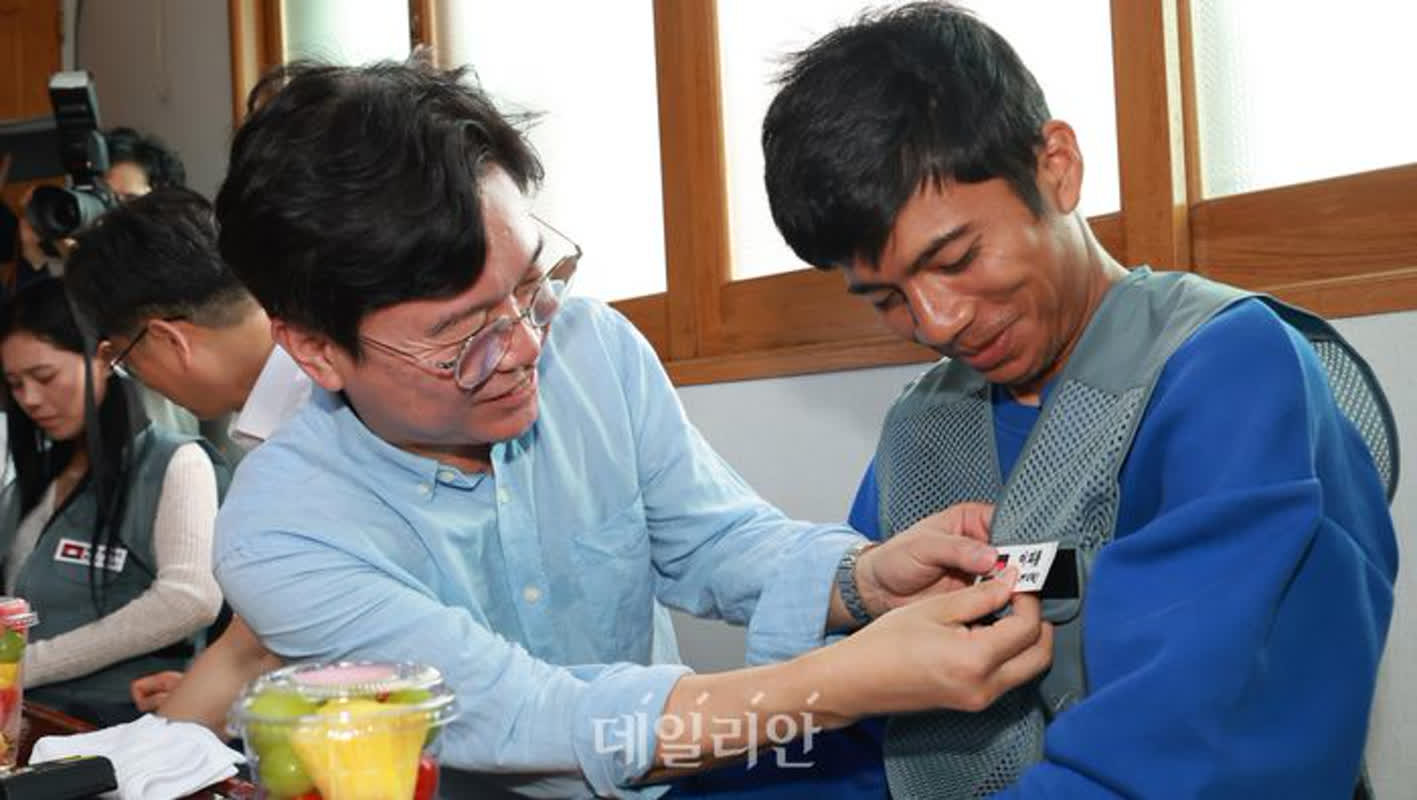
On April 29, the ministry hosted the first “Gender Balance Field Proposals: Gender Equality Unboxing Talk” at Community House Mashil in Seoul’s Jung-gu district. The event was designed to examine, in depth, the physical and mental gender differences young people experience in daily life and to solicit concrete policy recommendations through dialogue.

Roughly 50 participants — including Minister Won, sector experts, active young panelists, and members of the Youth Coexistence and Empathy Committee — took part in spirited discussion. In her opening remarks, Minister Won said people are socialized from the moment they are born into the invisible constraints of gender, and she described the event as a step toward building a gender-equal foundation that safeguards everyone’s right to health, regardless of gender.
The program included expert presentations, a panel of young people, and on-the-ground policy proposals. Moon Joo-hyun, associate research fellow at the Korean Women’s Development Institute, opened with a presentation titled “Young People’s Minds: Pressure and Depression,” analyzing gendered differences in mental health. Moon noted that young people’s mental health is closely tied to life conditions rather than being purely a medical issue. He observed that men often express distress outwardly through anger or risky behavior, while women tend to internalize anxiety and downplay emotions through self-censorship. Moon also highlighted the high share of suicides among people in their 20s, pointing out that although more men die by suicide, women present to emergency rooms after suicide attempts more frequently — a pattern that calls for gender-sensitive approaches.
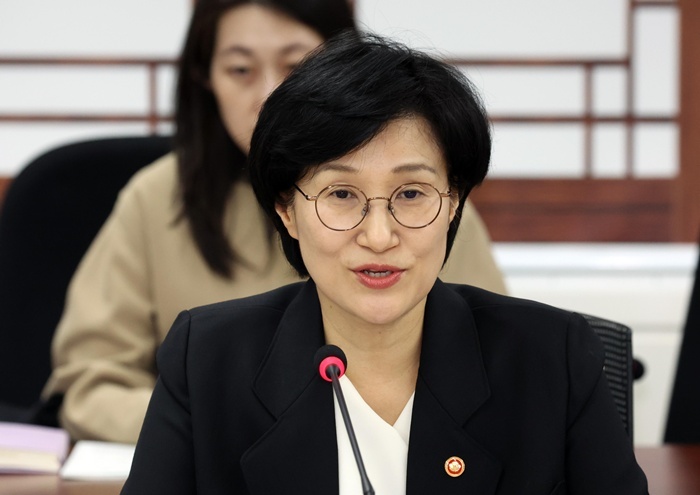
Next, Kim Dong-sik, senior research fellow at the Korean Women’s Development Institute, addressed “Young People’s Bodies: Sex and Reproduction.” Kim framed sexual and reproductive health as a matter of rights and highlighted gender gaps in preconception health support. He noted that female medical screenings are available in most regions, while male screenings are offered in only about 25% of areas, creating a significant regional imbalance. Kim clarified that measures such as providing menstrual products and offering menstrual leave are matters of universal basic rights, not reverse discrimination against men, and he urged that sexual health be treated as a rights-based service rather than solely a women’s issue.
Young panelists also raised pointed critiques. Ji In-gu, team leader at the Seoul Metropolitan Youth Center, noted that men often underrecognize their psychological distress and only show it once they reach high-risk levels. He proposed introducing a pre-counseling mental-health scanner to assess psychological status before formal counseling. Minister Won replied that the ministry is strengthening support for men’s mental health by deploying mental-health outreach buses to locations such as shipyards and reserve-force training centers.
Human-rights activist Kim Hae-on criticized how children and adolescents who have been sexually exploited face barriers to essential medical care — including abortion services — because they fear stigmatization or exposure of their identities by medical institutions. Researcher Park Kwang-mo of the Cha Women’s Medical Research Institute argued that current infertility and pregnancy policies are overly focused on women and called for expanded support for male factors, such as hormonal treatments that can affect miscarriage risk.
Young attendees also proposed practical, everyday policies — from improved reduced-hour work arrangements during pregnancy to reforms of contraceptive policies. In her closing remarks, Minister Won praised the way young men and women supported one another while addressing heavy topics like depression and anxiety. She pledged to pursue policies that ensure every young person the opportunity for a happy future, regardless of gender or marital status.



Most Commented