Translation result.■ Yoo Ju-hee, Deputy Political EditorOn the 20th of this month, a U.S. security negotiation team finally confirmed it would visit South Korea. These talks are the long-delayed follow-up on security issues — including nuclear-powered submarines and nuclear power — agreed at last October’s Korea–U.S. summit, and they are only now getting under way after more than six months of delay.That postponement exposed several weaknesses in South Korea’s diplomatic and security apparatus. Government offices failed to coordinate policy and to secure timely legislative responses, producing repeated confusion. The National Assembly also delayed bills linked to supporting South Korean firms’ investment in the United States, prompting U.S. President Donald Trump to voice public displeasure. Because the executive and the legislature did not operate under a unified negotiating strategy on matters of national interest, that gap weakened Seoul’s bargaining position.The Coupang controversy added another complicating factor. Although Coupang grew out of the South Korean market, its active lobbying in U.S. political circles and related business interests influenced the Korea–U.S. security talks, leaving important lessons. Wi Seong‑rak, director of the National Security Office, has acknowledged that “the Coupang issue is affecting Korea–U.S. security talks.” In short, a single company’s interests affected negotiations tied to national security, and Korean diplomatic authorities did not sufficiently insulate the talks from that influence.Even before 54 Republican members of the U.S. House sent a joint letter to the South Korean embassy in Washington urging, “Do not discriminate against Coupang and other American companies,” sympathetic voices in the U.S. political establishment had been relaying Coupang’s position through diplomatic channels. At the same time, in February the U.S. and Israel attacked Iran. With the objectives of that military action unclear, the U.S. redirected significant resources to the Middle East, raising doubts about whether the U.S. negotiating team — which had said it might arrive as early as February — would actually travel to Seoul.After navigating multiple hurdles, the start of negotiations is finally at hand. Looking back, it is regrettable how vulnerable our institutions proved to be when confronted with extraordinary events. Whatever variables arise, we must respond in a calm, precise “language of national interest.” That need is especially acute because these talks intertwine security and industry, technology and trade, and diplomacy and domestic politics. To succeed, all actors must move as one; the moment ministries or political factions pursue separate agendas, negotiating initiative will slip to the other side.


 Melania Trump Breaks Silence on Epstein Allegations and Maxwell Emails
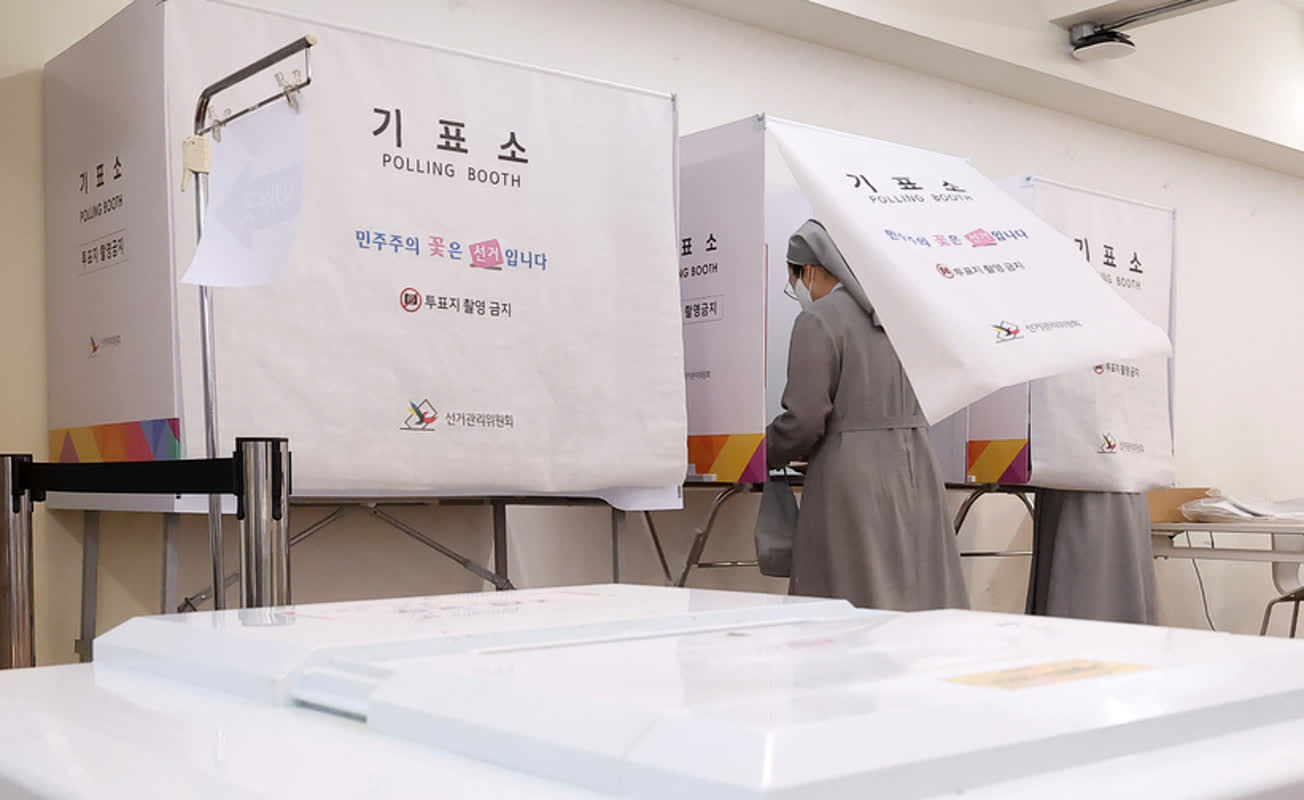 South Korea's Political Crisis: Will the Ruling Party Win the 2026 Elections?
 EU’s New Era of Expulsions: Inside the Toughest Immigration Law Yet
 Trump Slashes AI Review Window to 30 Days Amid National Security Debate
 Ukraine’s EU Bid Surges as Hungary Drops Opposition Amid Russian Attacks
 Trump Backs Colombia's 'El Tigre' — What It Means for U.S. Relations



Most Commented