Translation resultSilicon Valley warnings that the United States could fall behind China in the tech race were decisive in President Donald Trump’s last‑minute decision to delay signing an executive order that would have required government pre‑clearance for AI models before their release. Analysts say the episode signals that U.S. AI governance is increasingly shaped by pro‑business, tech‑industry interests rather than national‑security officials.“Could put us at a disadvantage against China”The Wall Street Journal reported on June 22 that David Sacks, a close Trump ally and venture investor, phoned the president before the planned signing and warned that the order would slow the AI industry’s development and put the U.S. at a disadvantage against China. Sacks reportedly argued the order would hand a victory to “AI pessimists” who have been pushing for heavy regulation.Trump, who had been cautious about the order, sided with Sacks and abruptly postponed the ceremony. The Washington Post and Politico reported that AI company CEOs had already been invited to the White House; some had flown to Washington and the venue was prepared. Asked why he delayed the signing, Trump said, “We are ahead of China, and I don’t want to do anything to shake that advantage.” He added that he disliked parts of the order and thought it could become a stumbling block.“PayPal Mafia” Sacks reverses policy through informal channelsSacks, who oversaw AI and cryptocurrency policy early in the administration before leaving his formal role in March, now serves as co‑chair of the White House Science and Technology Advisory Committee. He is also a prominent member of the so‑called “PayPal Mafia,” the network of entrepreneurs who helped build the online‑payments company alongside figures such as Elon Musk.Crucially, Sacks appears to have sidestepped formal policymaking channels. According to the Wall Street Journal and the Washington Post, working‑level officials—including the Office of Science and Technology Policy and National Cyber Directorate staff—spent weeks refining the executive‑order draft and briefed Sacks. He initially gave a tacit sign of acceptance, but on the morning of the scheduled signing he called the president and reversed his position. Some White House aides believed Trump had already approved the order and reacted strongly to the last‑minute intervention.White House AI policy rift surfacesThe shelved order would have required companies to share information with the government and subject high‑performance AI models to safety testing before release. As models demonstrate increasing capabilities—ranging from conducting cyberattacks to detecting software vulnerabilities—White House security officials argued for at least minimal verification measures.The key dispute centered on the pre‑share window. The draft required companies to share models with the government 90 days before release; industry had pushed for a 14‑day window. Politico reported that Sacks warned Trump that, although described as voluntary testing, the measure could function as a de facto licensing regime.Observers say the episode exposed a deeper clash inside the White House: pro‑business Silicon Valley interests prioritizing the tech rivalry with China appear to have prevailed over security and cyber officials. Critics warned of consequences. Former White House strategist Steve Bannon cautioned that accelerating AI development too aggressively could produce harmful side effects and ultimately provoke stronger regulation.


 Melania Trump Breaks Silence on Epstein Allegations and Maxwell Emails
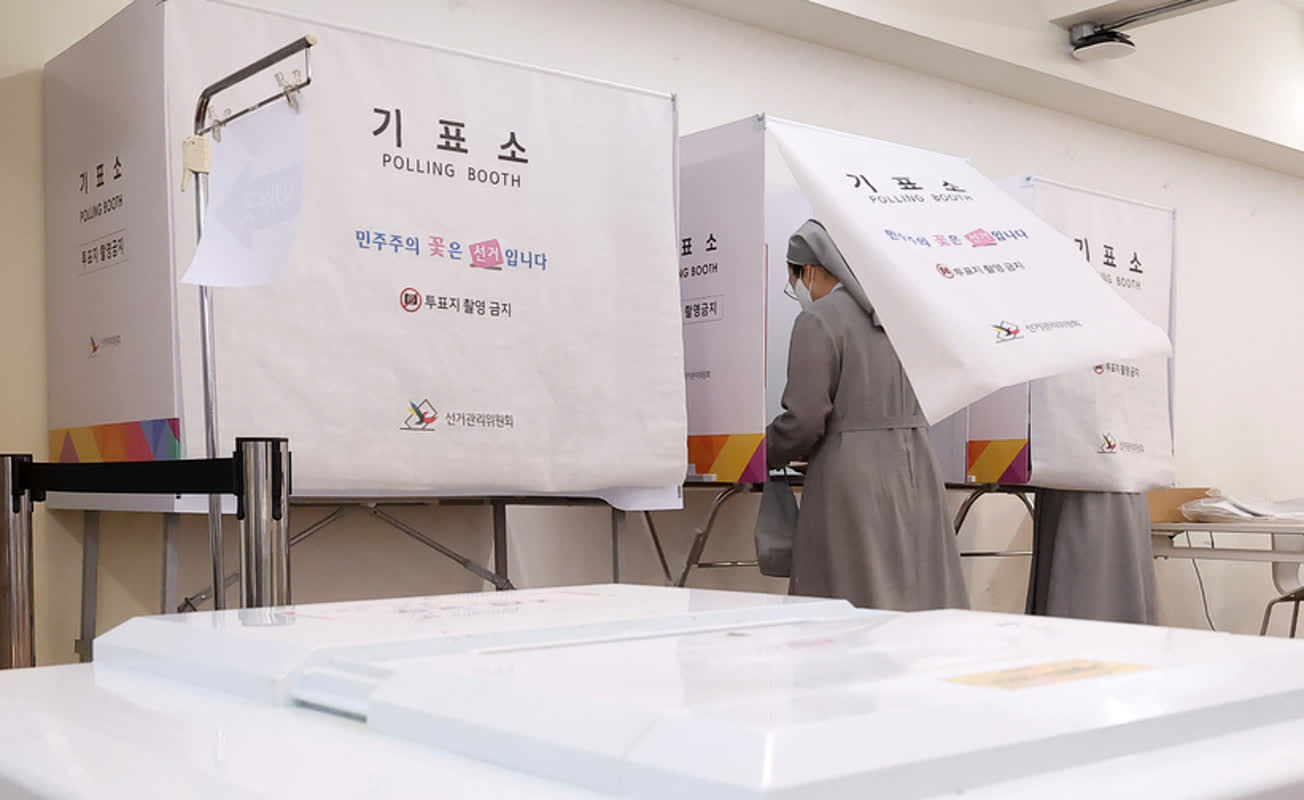 South Korea's Political Crisis: Will the Ruling Party Win the 2026 Elections?
 EU’s New Era of Expulsions: Inside the Toughest Immigration Law Yet
 Trump Slashes AI Review Window to 30 Days Amid National Security Debate
 Ukraine’s EU Bid Surges as Hungary Drops Opposition Amid Russian Attacks
 Trump Backs Colombia's 'El Tigre' — What It Means for U.S. Relations



Most Commented