
Translation result.

Some people have never been to Europe, but hardly anyone goes only once. The Czech-Austria-Hungary route—often hailed as Eastern Europe’s hidden gem—is the kind of trip that makes the airfare worth it. Linking the Czech Republic, Austria, and Hungary, this route keeps travel times short while giving each country a distinct vibe, so you’ll never get bored.
Here’s the lowdown on the 2026 Eastern Europe itinerary that’s trending right now.
Prague, Czech Republic
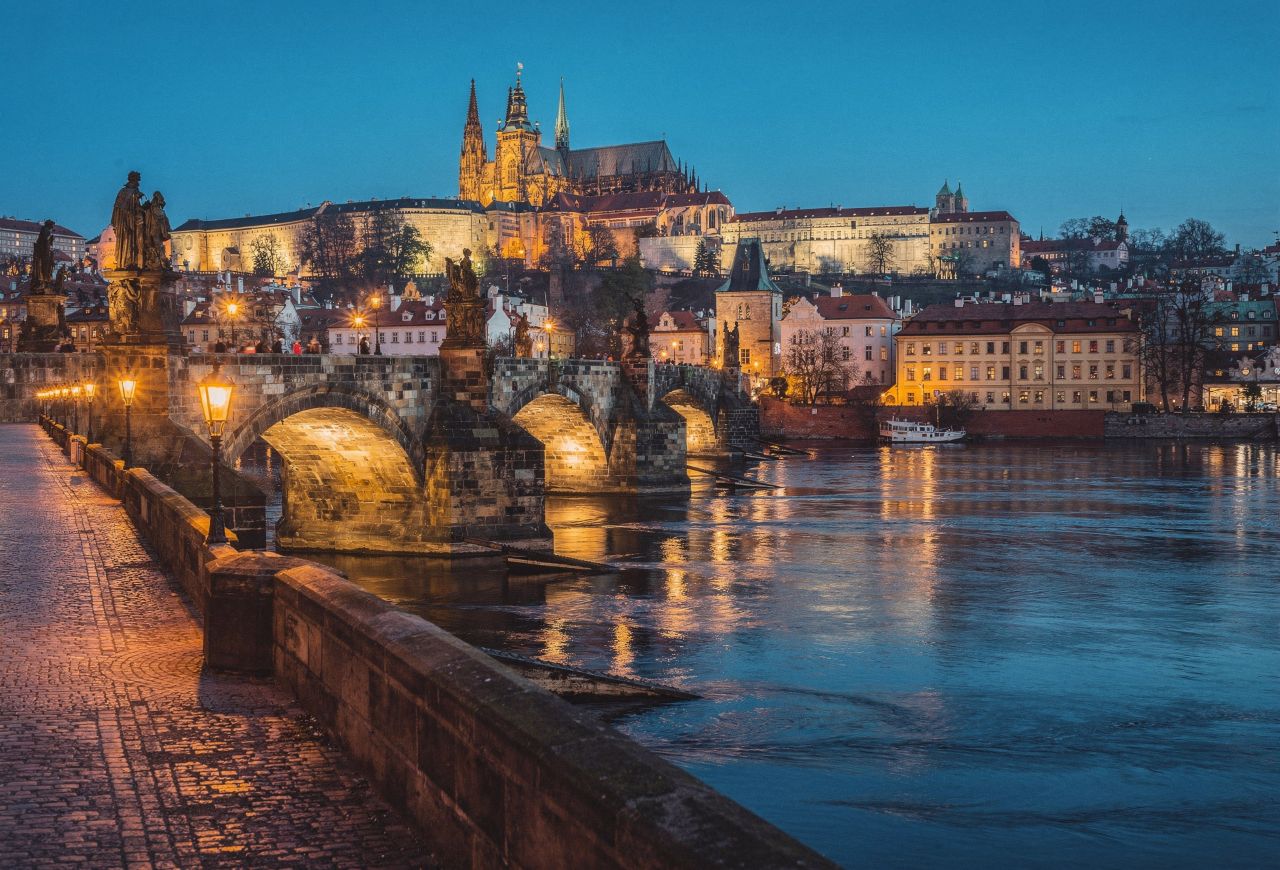
The classic place to start this route is Prague, where a sea of red rooftops greets you. While the city still radiates old-world charm, slow travel is in—meaning strolls through Letná Park or along Vyšehrad, away from the busy Old Town Square, are now essential.
The view of the Vltava from Prague Castle is one of the trip’s showstoppers, and Charles Bridge at night is pure magic. Brewery tours have leveled up too: beyond tastings, you can take immersive programs that explore Czech beer’s history and brewing craft.
And thanks to Eastern Europe’s generally lower prices, dining at high-end spots in Prague is pleasantly affordable—another big draw.
Vienna, Austria
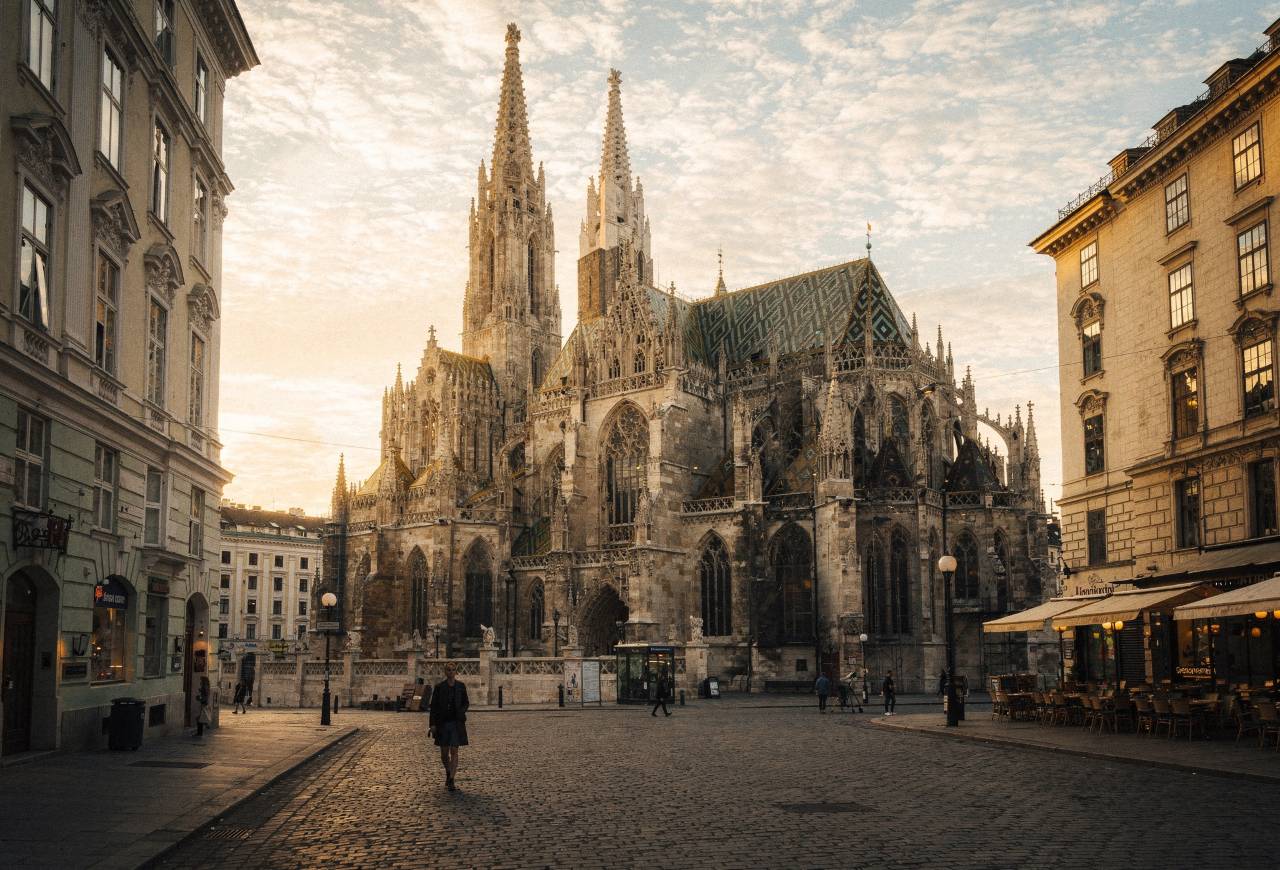
About a four-hour train from Prague brings you to Vienna—the city of music and the route’s cultural heart. Vienna still wears the Habsburgs’ grandeur proudly. Beyond catching Klimt’s The Kiss at the Belvedere, the refreshed MuseumsQuartier’s contemporary exhibits add a modern spark to the itinerary.
At the core of a Vienna visit is café-house culture. Order a slice of Sachertorte and a melange, and channel the refined spirit of 19th-century artists. Wander the quiet streets around St. Stephen’s Cathedral for picture-perfect moments.
Vienna’s orderly streets and civic-minded vibe put visitors at ease, and even one classical concert can feel profoundly transformative.
Budapest, Hungary
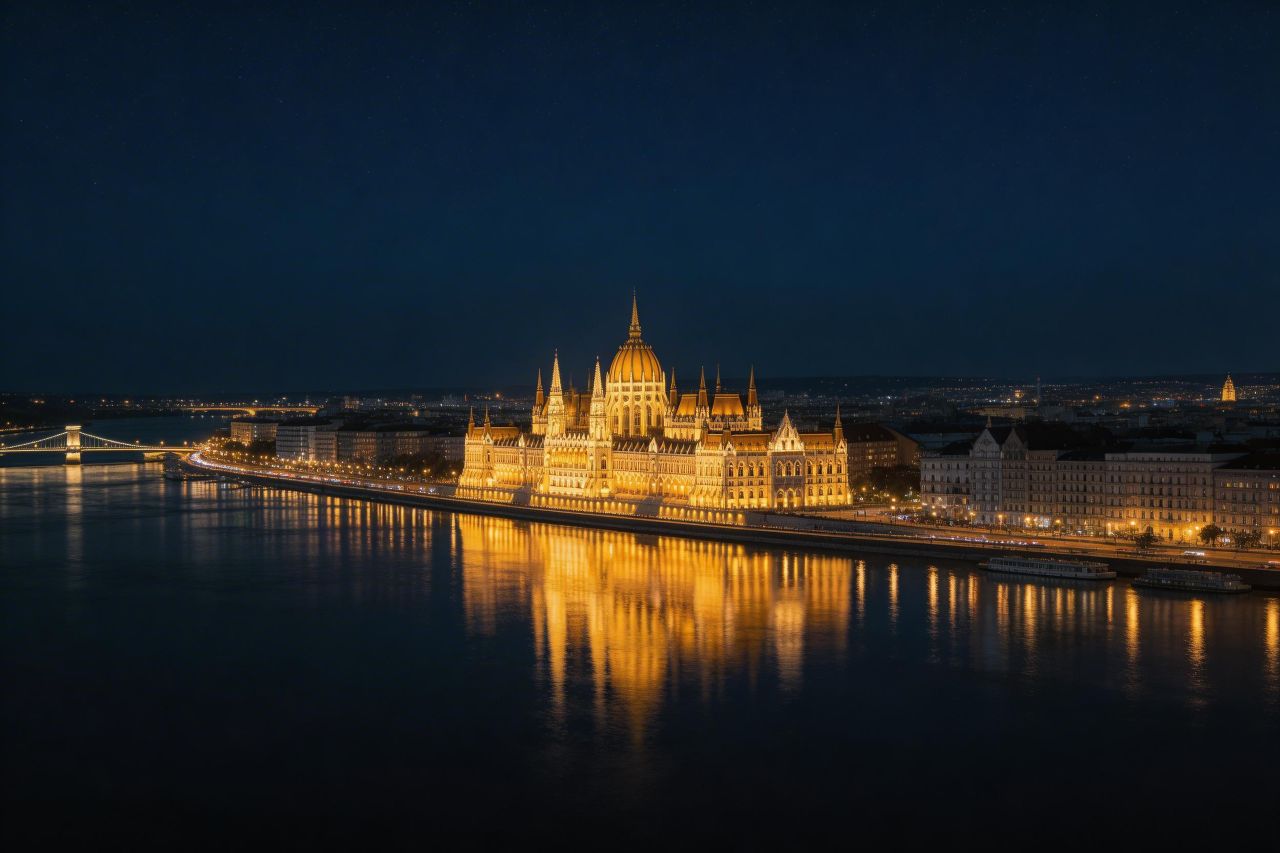
Budapest, the grand finale of the route, is world-famous for its nightscape. The parliament’s golden glow is unforgettable, and the ruin pub scene—bars set in transformed buildings—has become a magnet for Millennials and Gen Z, giving Budapest a seriously cool, youthful energy. Mixing with locals over a glass of pálinka in one of these spots is a must-do.
By day, soothe your muscles at the Széchenyi or Gellért Baths; by night, head up to Fisherman’s Bastion for a sweeping city-light panorama. Danube cruises now have streamlined digital booking, so you can skip long waits and enjoy a seamless evening ride.
And yes—Hungary’s boldly spiced goulash hits the spot for many, including Korean palates, making for a satisfying culinary finale.
2026 Practical Tips for the Czech-Austria-Hungary Route
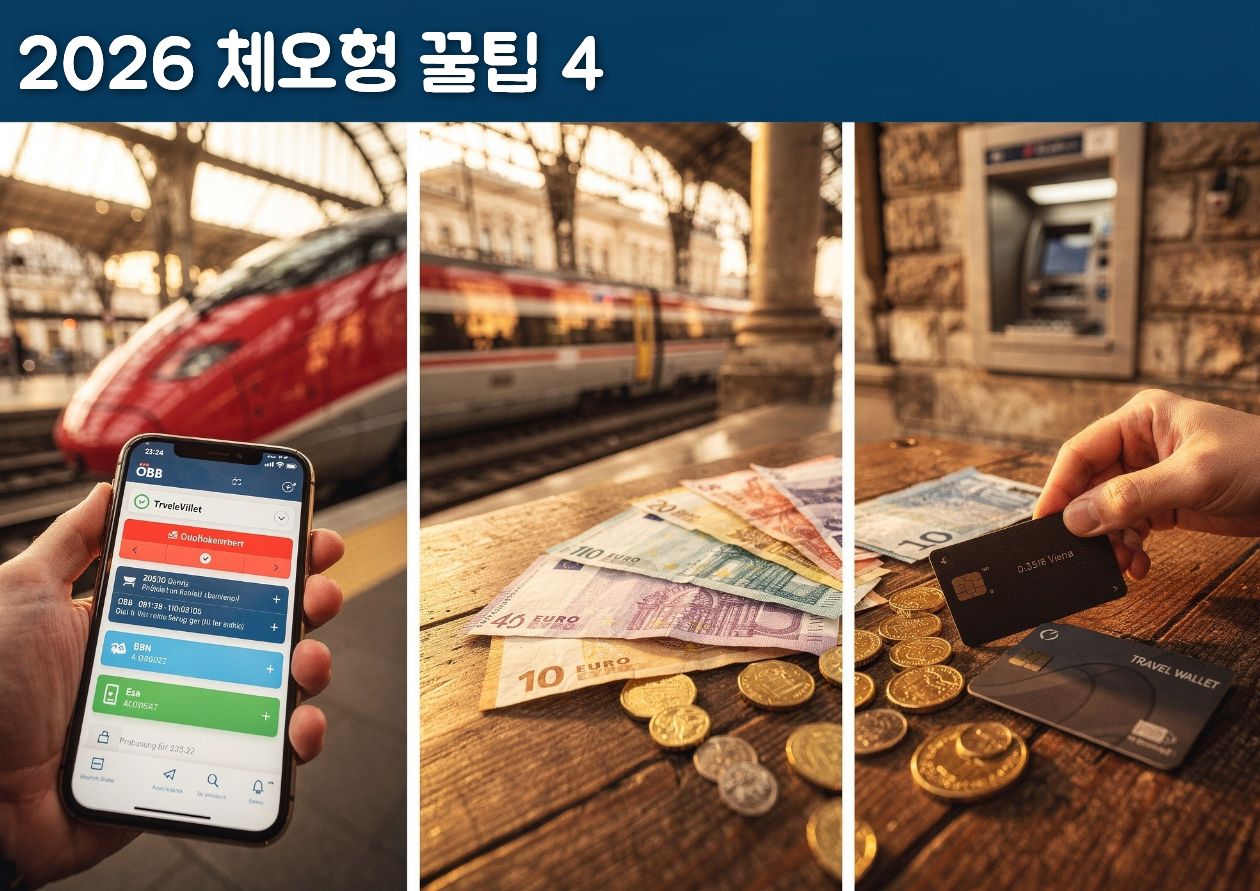
First, Eurail pass vs. OBB reservations
Trains are unbeatable for city access. Download the Austrian Federal Railways (ÖBB) app before you go and book segments in advance to snag discounted fares.
Second, currency and payments
Austria uses the euro (EUR), while the Czech Republic uses the koruna and Hungary the forint. To cut exchange fees, use travel cards like TravelLog or TravelWallet and withdraw small amounts from local ATMs as needed.
Third, safety and etiquette
Eastern Europe is generally safe, but stay alert for pickpockets in crowded spots like Prague’s main station or Budapest’s cruise piers. Keep your bag in front of you at all times.
With European inflation easing somewhat in 2026, now’s a fantastic time to take this route. Go craft your own Eastern European story—glamorous, cinematic, and entirely yours.









Most Commented