
Discover Yeongju’s ‘Dan Jong Aesa Daegun-gil’: A Unique Journey Through Korea’s Past
Daniel Kim Views
Translation result
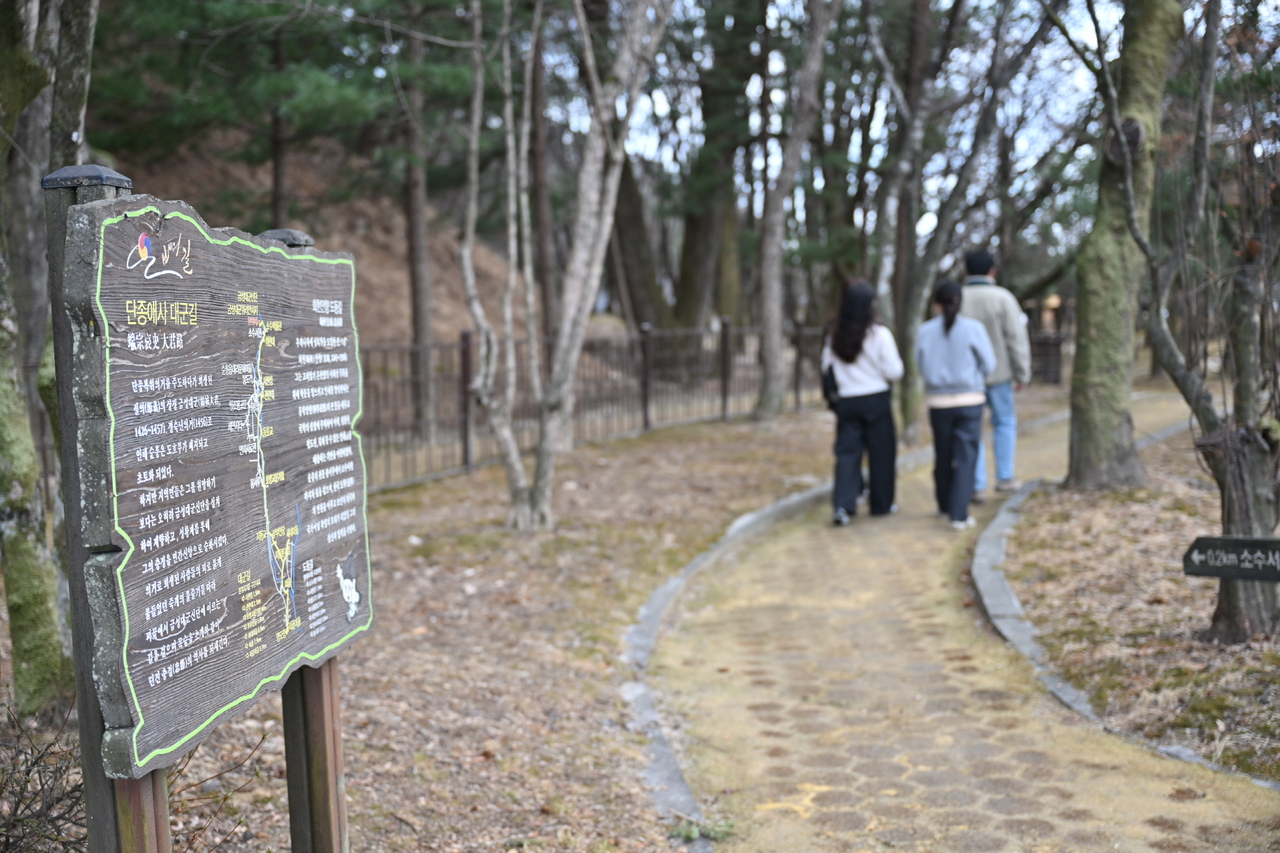
[Herald Economy (Yeongju) = Reporter Kim Byung-jin] Yeongju, in North Gyeongsang Province, South Korea, is promoting a new storytelling walking route called Danjong Aesa Daegun-gil. Inspired in part by the depiction of Prince Geumseong in the film The Man Who Lives with the King, the trail is positioned as a way to explore Yeongju’s deep history and culture, centered around the loyalist community of Sunheung.
According to the city on the 14th, Danjong Aesa Daegun-gil leads walkers through Sunheung’s layered past, where the tragic reign of the young King Danjong intersects with the steadfast loyalty of Geumseong Daegun, Sejong’s sixth son.
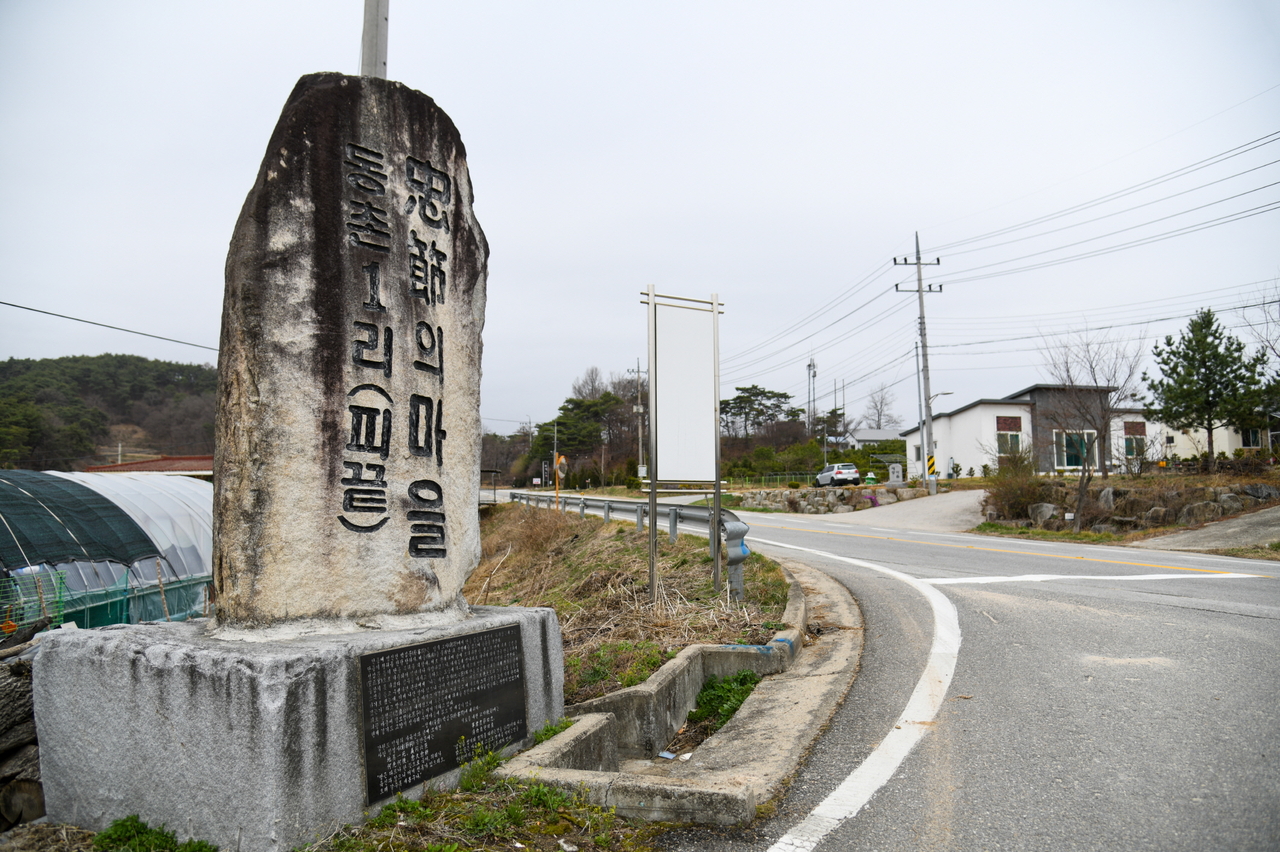
The route starts at Pikkeut Village (Dongchon 1-ri, Anjeong-myeon) and loops about 7 km (roughly 4.3 miles). Along the way, visitors pass Jukdong Seonghwangdang — once home to Geumseong Daegun’s ancestral stone — and Bongseoru Pavilion (鳳栖樓), which quietly witnessed Sunheung’s rise and fall. The trail also includes Daesandan-so, a sacred site tied to the Sunheung An family’s suffering after the Danjong restoration, the thousand-year Goryeo-era well Sahyeonjeong in Eupnae-ri, Korea’s first state-recognized private Confucian academy Sosu Seowon, and Geumseong Daegun’s shrine in Naejuk-ri, Sunheung-myeon.
This is more than a passive tour of relics. The trail invites you to walk a narrative of tragedy, solidarity, sacrifice, and memory — to experience history step by step, rather than just read about it.
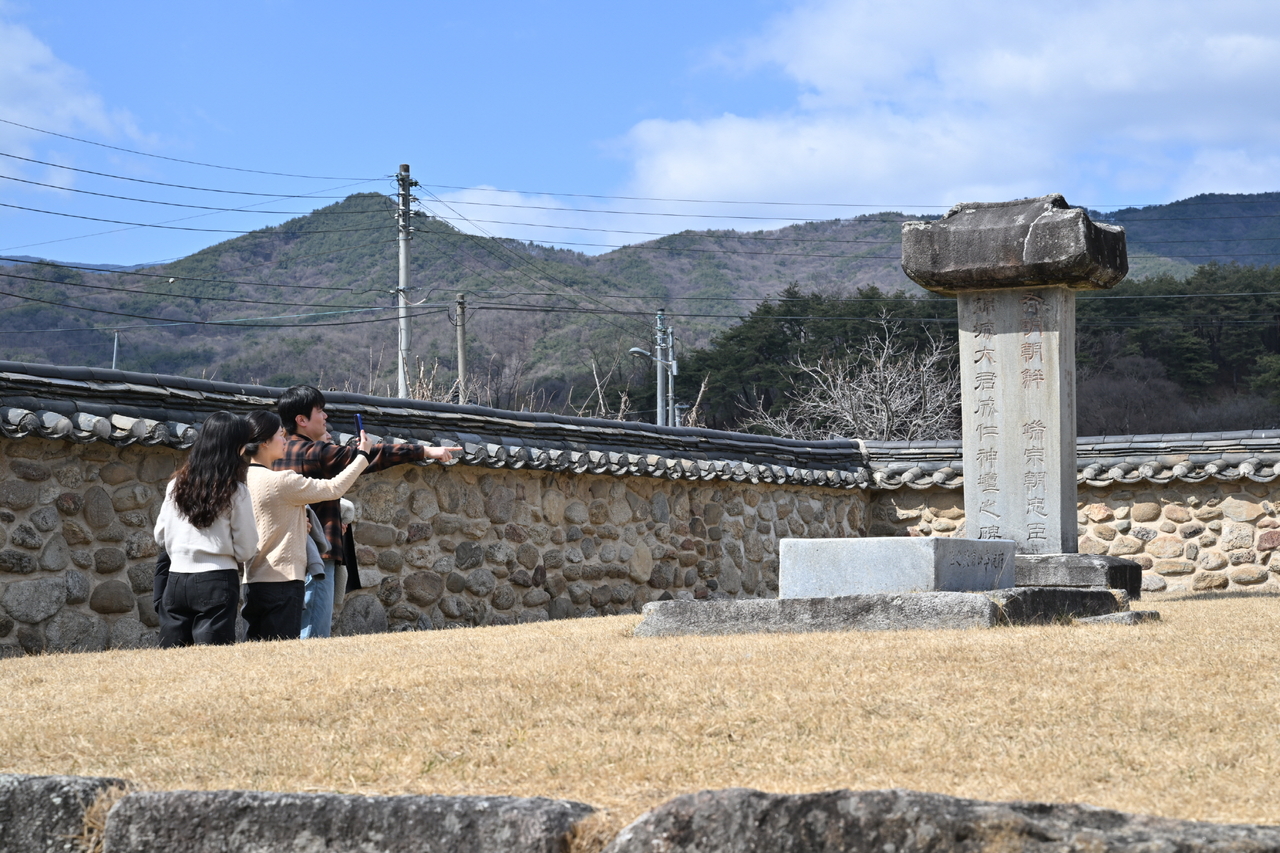
King Danjong became ruler as a child, was swept aside by palace power struggles, exiled, and eventually died in exile — a heartbreaking chapter in Joseon history.
Geumseong Daegun, Sejong’s sixth son and Danjong’s uncle, worked to restore the young king and met a tragic end in 1457 with ties to Sunheung. That makes the area a rare and powerful historical site where both royal tragedy and loyalty are etched into the landscape.
The Geumseong Daegun shrine stands as a symbolic place of mourning and fidelity linked to the Danjong restoration. It honors Geumseong Daegun, Sunheung magistrate Lee Bohum, and others who sacrificed themselves. With spring and autumn memorial rites still observed, the shrine functions as a living history hub and a cornerstone of the Danjong Aesa Daegun-gil experience.
Sunheung is also the hometown of An Hyang, the scholar who introduced Neo-Confucianism to Korea. The area has long been a center of scholar-official culture.
Near the Geumseong Daegun shrine, you can dive into scholar culture at Sosu Seowon, stroll through Seonbi Village, and visit the Seonbi Culture Training Center and the Filial Piety Promotion Center. At Seonbi World, traditional scholar values are presented through modern exhibits and interactive programs that make that heritage feel immediate and relevant.
The Yeongju Sunheung mural tombs in Eupnae-ri are also drawing attention as an offbeat attraction. These Three Kingdoms–era tombs show strong Goguryeo influence and add an archaeological dimension to the area’s appeal.
The Sobaeksan Fox Ecology Observation Center (Baejeom-ri) offers hands-on learning focused on ecological restoration and recovery, making it a standout eco-tourism resource that complements the region’s cultural attractions.
Yeongju plans to develop Danjong Aesa Daegun-gil as a linked tourism product that weaves together Sunheung’s historical and cultural sites. The goal is to appeal to families, educators and students, cultural travelers, and visitors seeking longer, immersive stays.
The city notes the trail is friendly for strolling or biking and expects it to become a go-to destination that blends history, healing, and learning — a place people want to return to.
A Yeongju city official said, “Danjong Aesa Daegun-gil offers a chance to meet Sunheung’s painful history and noble loyalty through a modern sensibility. We hope visitors walk in the footsteps of Geumseong Daegun and feel Danjong’s sorrow, rediscovering Yeongju’s rich historical and cultural assets.”







Most Commented