
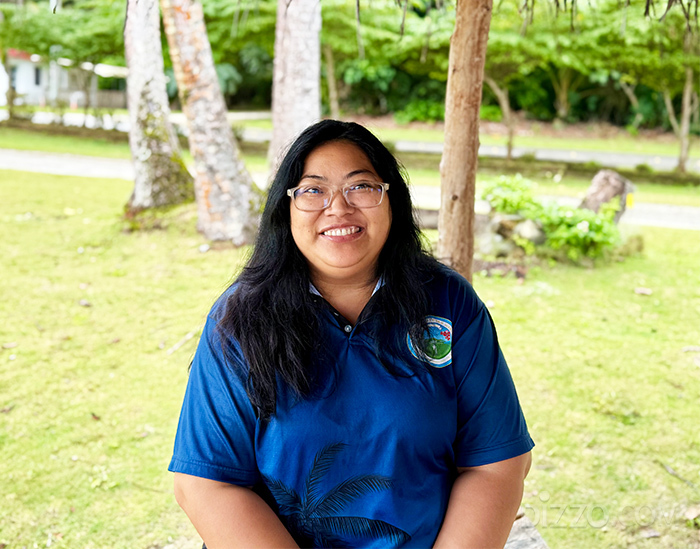
In the middle of the Pacific, a 30-minute hop by small plane from Saipan’s main island lands you on Rota, a tiny island of roughly 1,900 residents. Sitting at the southern tip of the Northern Mariana Islands, Rota trades glitzy mega-resorts and crowded shopping centers for primeval forests and crystal-clear seas that feel woven with ancient mystery.
During our visit on the 9th, Mayor Aubry Manglona Hocog described Rota as “Nature’s Treasure Island.”
Mayor Hocog began the interview by calling the island Luta, its original Chamorro name. He says Rota still carries the same simple charm Guam had 50 to 60 years ago. The island can feel a bit isolated because development hasn’t reached it, but that very remoteness has preserved some of the most untouched natural beauty in the Northern Marianas.
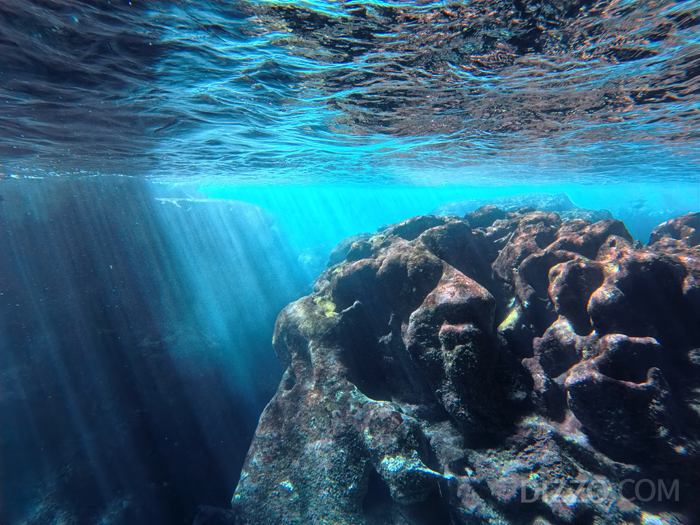
Among divers worldwide, Rota has picked up the nickname “Rota Blue” and is emerging as a fresh destination. Its astonishingly clear waters reveal the World War II wreck Shounmaru and the eerie underwater cave known as the Grotto. Mayor Hocog noted a noticeable uptick in visitors from South Korea who stop in Guam before heading to Rota’s dive shops, and he hopes routing through Saipan to Rota will become more frequent.
Rota’s greatest asset, he says, is its people. The island practices a warm Chamorro greeting called Alofa—waving to anyone you pass on the street as a sign of affection and welcome. Locals born on Rota call themselves Gilitus and take real pride in that identity. Mayor Hocog highlighted the Gilita Festival on March 21 as the perfect chance to experience Rota’s distinctive culture—fishing, cooking, and traditional weaving all in one lively celebration.
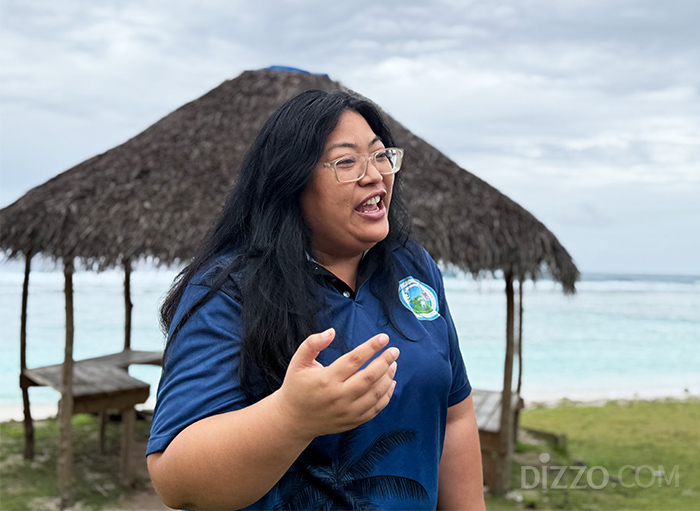
The island is also accelerating infrastructure work to make visits easier. Rota secured FAA funding and plans to start airport expansion this year. A feasibility study for an inter-island ferry linking Saipan and Guam is complete, with service targeted to begin within two to three years. Officials are also negotiating a lease between the Department of Public Lands (DPL) and private firms to rebuild the long-dormant Rota resort project.
An unusual industrial collaboration is turning heads: coffee trees planted during Japan’s rule now grow wild across the island, and Japan’s well-known coffee brand UCC has taken interest. Mayor Hocog explained that coffee grown on Rota’s coral-based terrain is rare globally. The island is working with UCC to develop coffee as a sustainable local industry, and every November they host a coffee-themed triathlon called the Coffee Marathon.
Rota is preparing for the digital age too. QR-code information systems are being installed around the island, and by June they plan to add social-media-friendly installations—like sculptures that sound like conch shells. Mayor Hocog said the goal is to make Rota TikTok-friendly, so visitors naturally record and share the island’s charms.
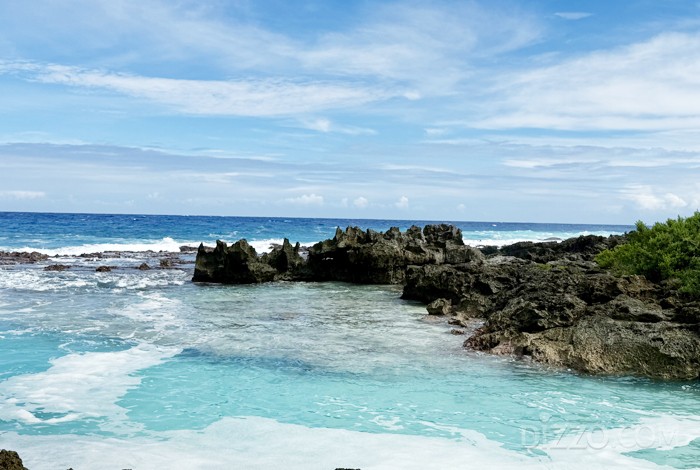
At the end of the interview, when asked to sum up Rota’s appeal in one word, Mayor Hocog answered without hesitation: Simplicity.
Today’s lives are busy and cluttered. Step onto Rota and you immediately feel how simple and serene life can be. Time spent with nature, history, and Chamorro hospitality can bring real happiness to visitors. I want to share this quiet aesthetic of simplicity with more travelers from South Korea.
▶ [Interview] Rota’s Charm Is ‘Simplicity’ — The Rota Mayor on the Northern Mariana’s Last Paradise
▶ Best Time for U.S. Family Travel in 2026… U.S. Tourism Board Spotlights 9 Family-Friendly Regions
▶ The Time to Enjoy Is Now… Singapore Tourism Board Launches New Campaign Targeting Young Travelers




Most Commented