
Explore Suwon’s UNESCO World Heritage: A Complete Guide to Suwon Hwaseong Fortress in 2026
Daniel Kim Views
Translation result.
Suwon City is kicking off the 260th-anniversary celebration of Suwon Hwaseong by launching the “2026–2027 Year to Visit Suwon” campaign.
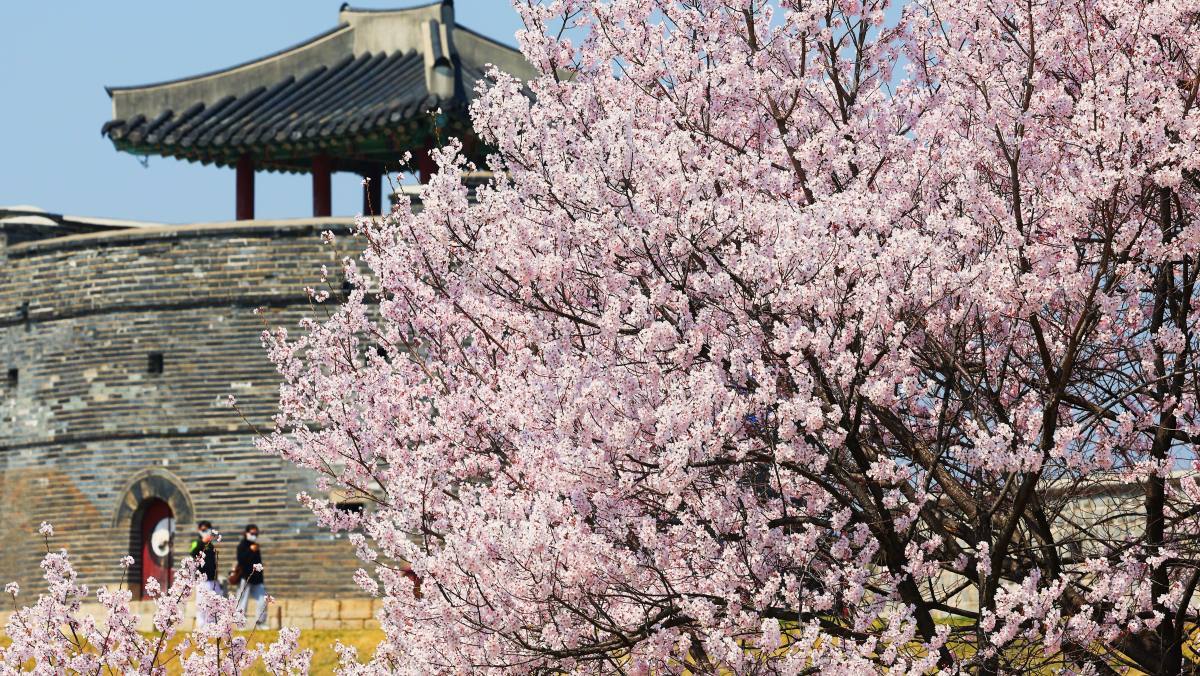
For a first-time visit, the city suggests starting with the fortress trail that circles Suwon Hwaseong and a walk through Hwaseong Haenggung Palace — an easy, scenic introduction to the area.
Suwon Hwaseong was built in 1796 to strengthen royal authority and bolster defenses. The Silhak scholar Jeong Yak-yong helped design the fortress, and builders used cutting-edge devices of the era such as the geojunggi and nokro. The site’s unique blend of traditional Eastern fortress layouts and Western construction techniques makes it stand out to international visitors. A well-connected 5.4 km (about 3.4 miles) trail lets you see most highlights in roughly half a day.
In spring, the walks through Jangan Park, the area around Namporu, and the Banghwasuryujeong pavilion burst into color. From late March into early April, the base of the wall along the Jangan Park fortress trail — which runs from Hwaseomun to Janganmun — is carpeted in bright yellow cornelian cherry blooms. The paths are mostly flat, so strollers and wheelchairs can get around easily, and there are plenty of photogenic spots both inside and outside the walls.
The stretch near Namporu follows the Paldalsan ridge and features an outer-wall promenade lined with old king cherry trees that form an impressive floral tunnel. The spot gained additional fame as a filming location for the tvN series Twenty-Five Twenty-One, and visiting at sunset delivers unforgettable views as blossoms and dusk blend into a romantic scene.
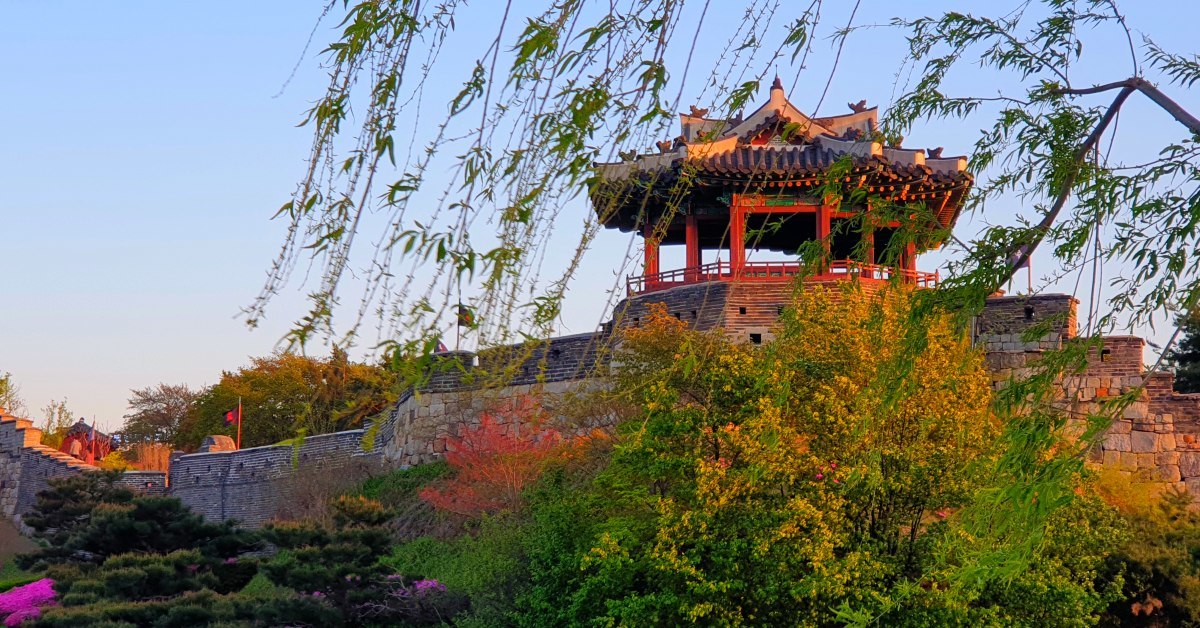
Banghwasuryujeong literally means “seeking flowers and strolling among willows.” Often considered one of the most beautiful structures in Suwon Hwaseong, the pavilion originally served military functions. Perched on a high cliff of the fortress, it acted as a lookout and command post; you can still spot openings in the walls where soldiers once concealed themselves and fired weapons.
In spring, willows around Yongyeon Pond unfurl fresh green leaves and pink azaleas bloom, creating a scene that resembles an ink-and-wash painting. The grassy area by Yongyeon is a favorite picnic spot, especially on clear days.
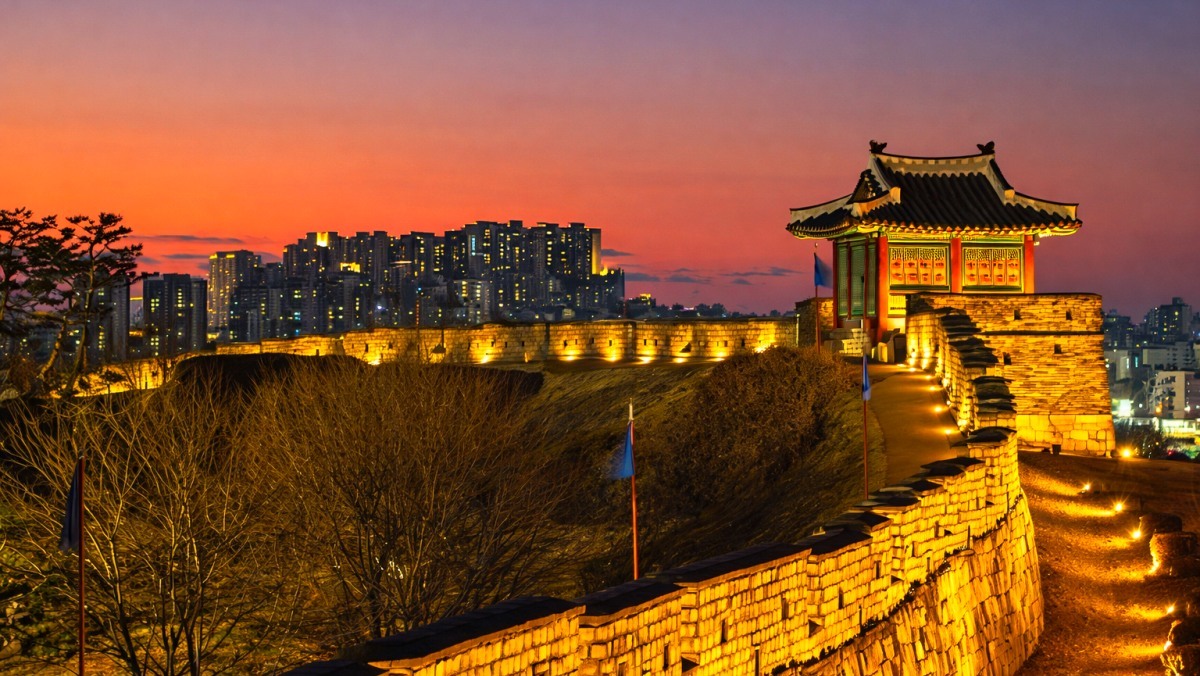
King Jeongjo envisioned Suwon Hwaseong as a reform project that combined political, commercial, and military roles. With Jeong Yak-yong’s engineering and Jo Sim-tae’s leadership, the fortress was planned as a hub to revive Joseon culture and connect major routes in all directions.
Over time, the walls and structures suffered damage during the Japanese colonial period and the Korean War. In 1975, authorities launched the “Suwon Castle Restoration and Purification Project” and spent roughly four years restoring key facilities and repairing the walls.
Those restoration efforts paid off: Suwon Hwaseong was designated a historic site in 1963 and was inscribed as a UNESCO World Heritage Site in 1997. Today, the area blends history with modern charm — quirky cafes, artisan workshops, and boutique shops have turned it into a trendy destination for younger visitors.
If you drive, use the on-street public parking at Hwaseong Haenggung or the Yeonmudae lot. Weekends can get busy around Haenggung-dong, so the city recommends the Suwon Hwaseong Museum parking lot. By public transit, get off at Suwon Station (Line 1 or the Suin–Bundang Line) and transfer to a bus bound for Paldalmun or Hwaseong Haenggung — the ride takes about 10–15 minutes.
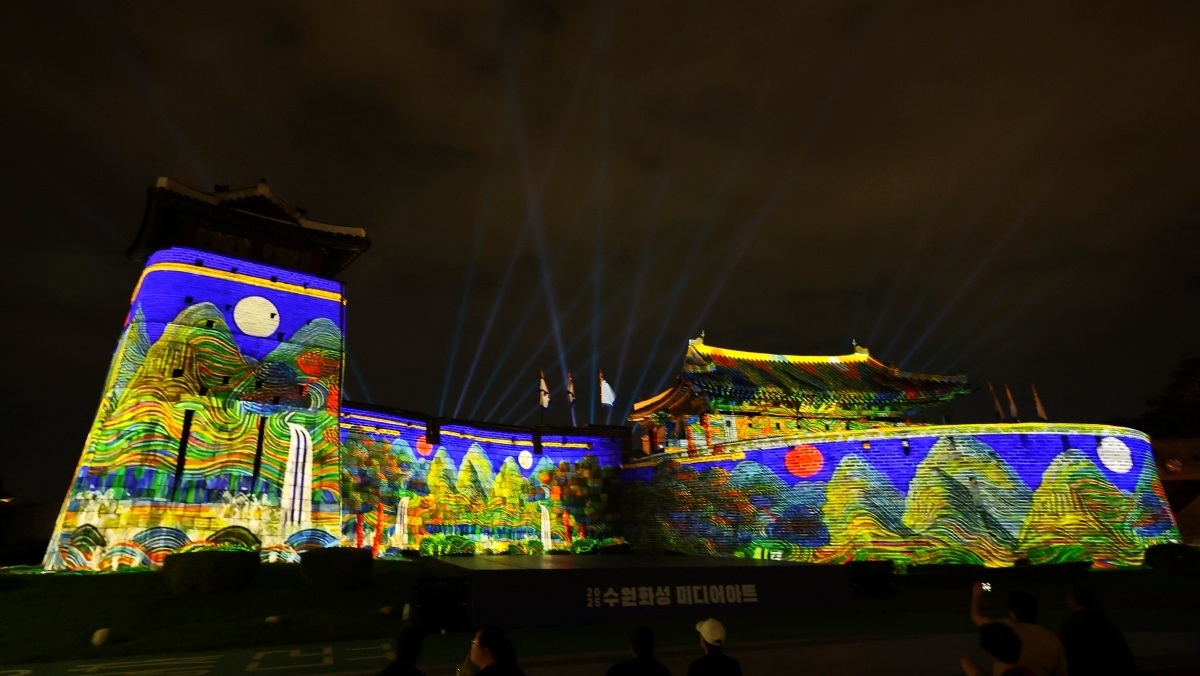
Admission to Suwon Hwaseong is 1,000 KRW (approximately $0.75) for adults, 700 KRW (approximately $0.53) for soldiers and teenagers, and 500 KRW (approximately $0.38) for children ages 7–12. The site is open daily from 9 a.m. to 6 p.m., and nighttime viewing is also available after regular hours.
Get your daily personalized fortune report! How will your day go?




Most Commented