
Translation result
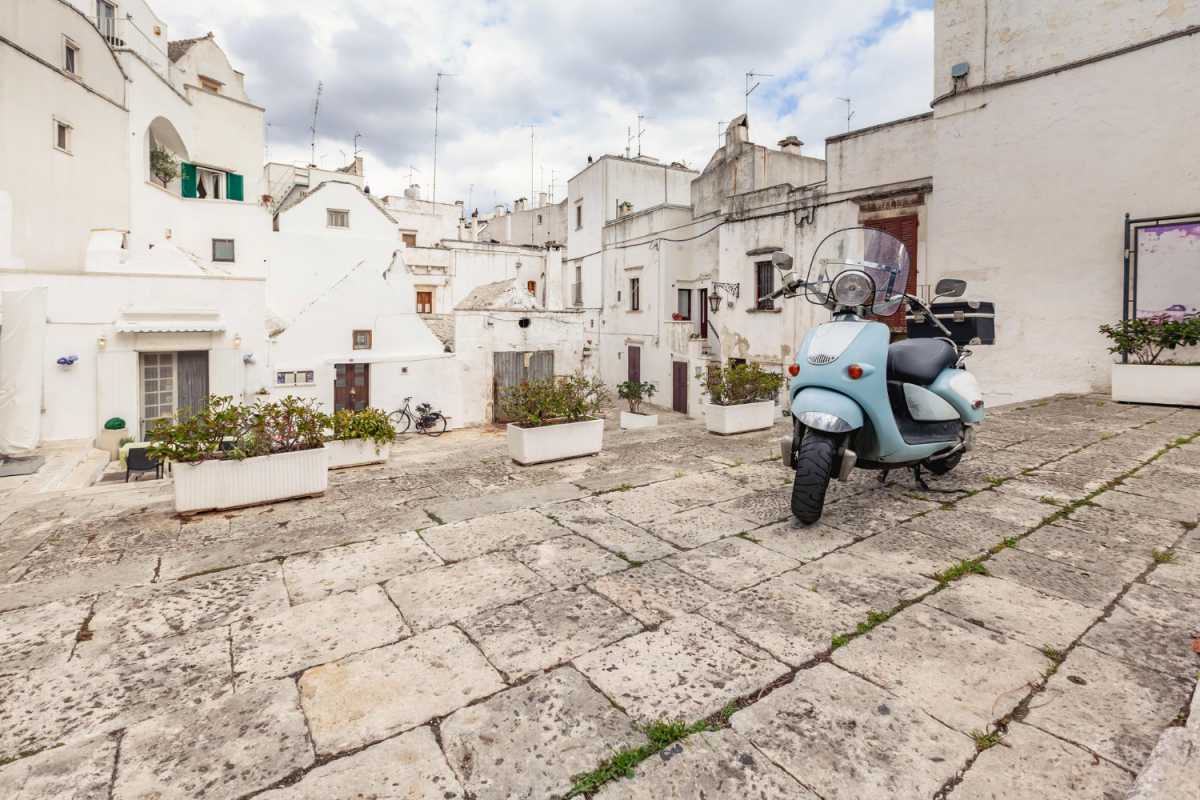
Everyone knows Rome, Florence, Milan, and Venice. But what about Italy’s small towns—those places where time seems to linger? They’re endlessly charming, but not always simple to navigate: trains don’t always connect, buses run at odd hours, and some spots are difficult to reach without a rental car.
So before you pick a destination, figure out how you’ll get around. Here’s a quick guide.
Tuscany
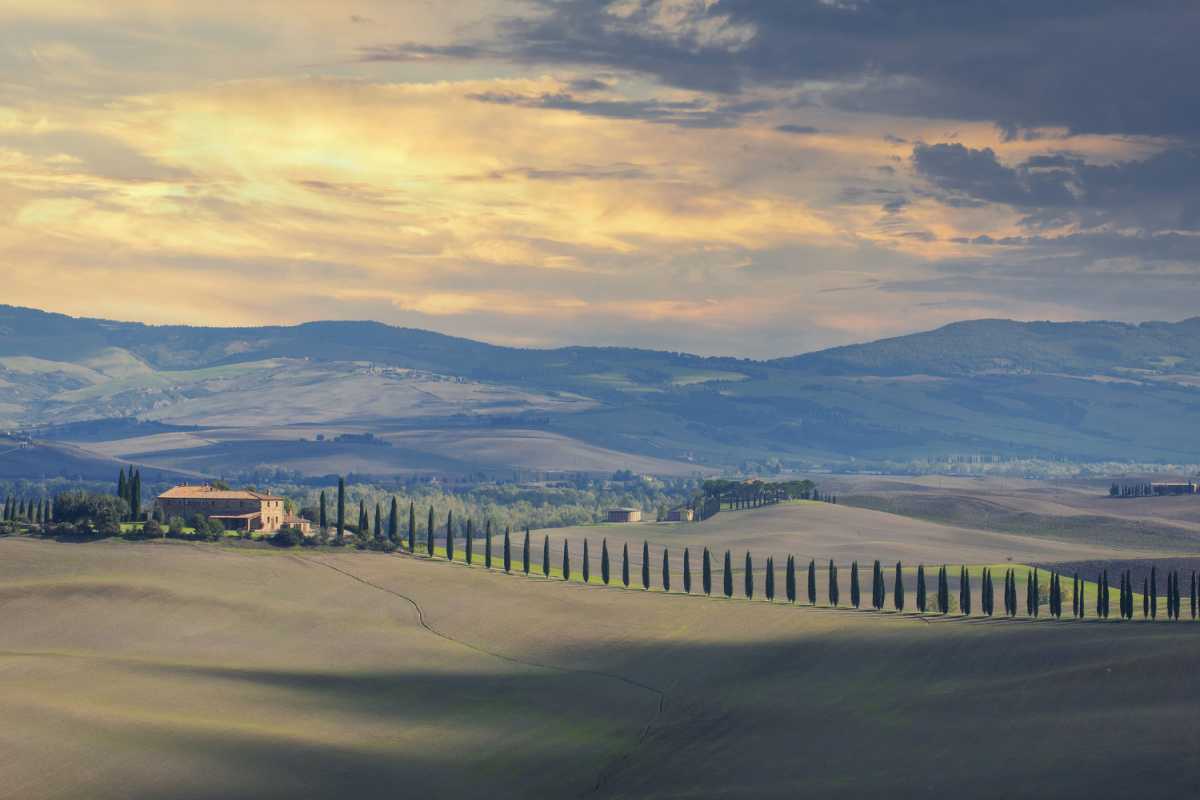
That cypress-lined lane—perfect for honeymoon snapshots—is everywhere in photos, but getting around Tuscany without a car is a headache. That’s why many travelers choose shuttle-style day tours that run one-way: they depart from Rome, visit key small towns like Pienza and Montepulciano, and drop you off in Florence in the evening.
You can also take the reverse route. With this option, you won’t have to haul heavy suitcases through train stations. Load your bags into the tour vehicle, relax, and snap those iconic photos against cypress-lined villas or rolling fields.
If you’re heading to Florence, make time to explore Tuscany’s nearby towns.
San Gimignano
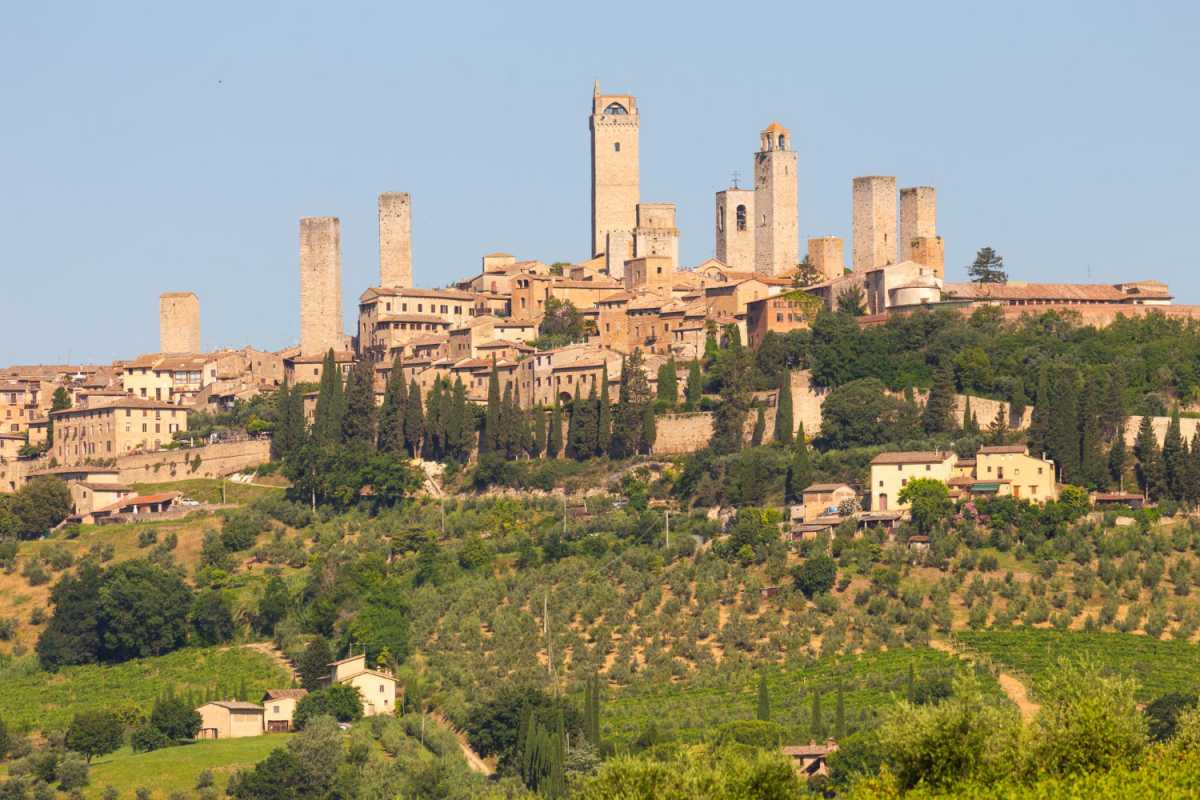
Venture deeper into Tuscany and you’ll find a town with a striking skyline: San Gimignano. Fourteen towers, built in the Middle Ages by noble families to flaunt their wealth and power, still dominate the view. It’s about a 1 hour 20-minute bus ride from Florence, making it an easy day trip.
The town is compact—half a day is all you need to explore it. The central Cistern Square is home to Dondoli, the world-champion gelato shop. The line can get long, but it moves fast—definitely give it a try.
Civita di Bagnoregio
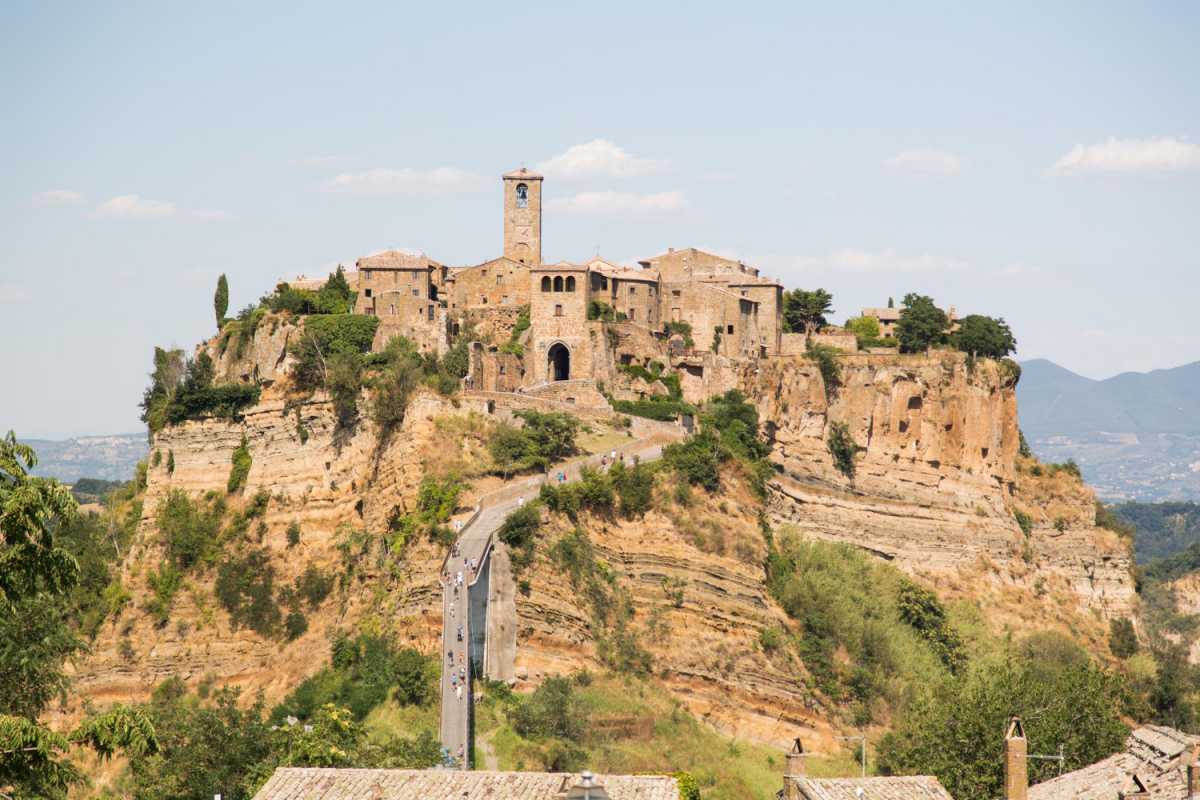
The grim nickname you hear on small-town tours in Italy is the Dying Town. That’s the moniker for Civita di Bagnoregio. Erosion has left the village perched on an isolated cliff, and the only way in is a long pedestrian bridge that stretches into the sky.
Foggy days deepen the atmosphere, which makes the town especially popular. Getting thererequires some effort. From Rome, take a train to Orvieto station and then transfer to a bus.
Bus services run infrequently, so checking timetables in advance is essential. Only a handful of residents now live in the village, so quiet rules—but that silence preserves an incredible medieval mood.
Positano
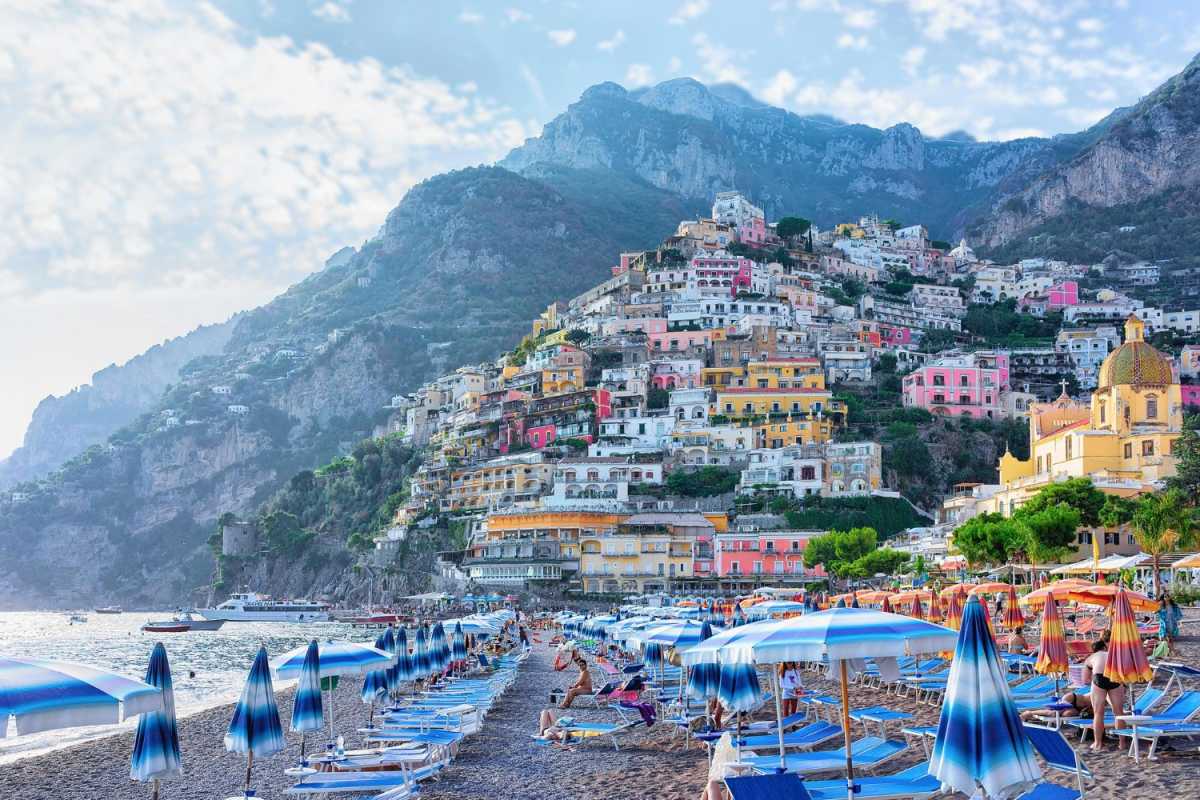
Positano’s colorful houses cascading down cliff faces make it the crown jewel of the Amalfi Coast. Trains don’t run there, so most visitors base themselves in a nearby town—usually Sorrento.
The most common option is the SITA bus, but the winding roads can be brutal for anyone prone to motion sickness. I recommend the ferry: from Sorrento you can approach Positano by sea and take in the town’s full panorama from the water. It’s pricier than the bus, but it saves time and is far more comfortable.
Many tours run as day trips, but if you can, stay overnight. A one-night, two-day plan is ideal—Positano’s night view is unforgettable.
Alberobello
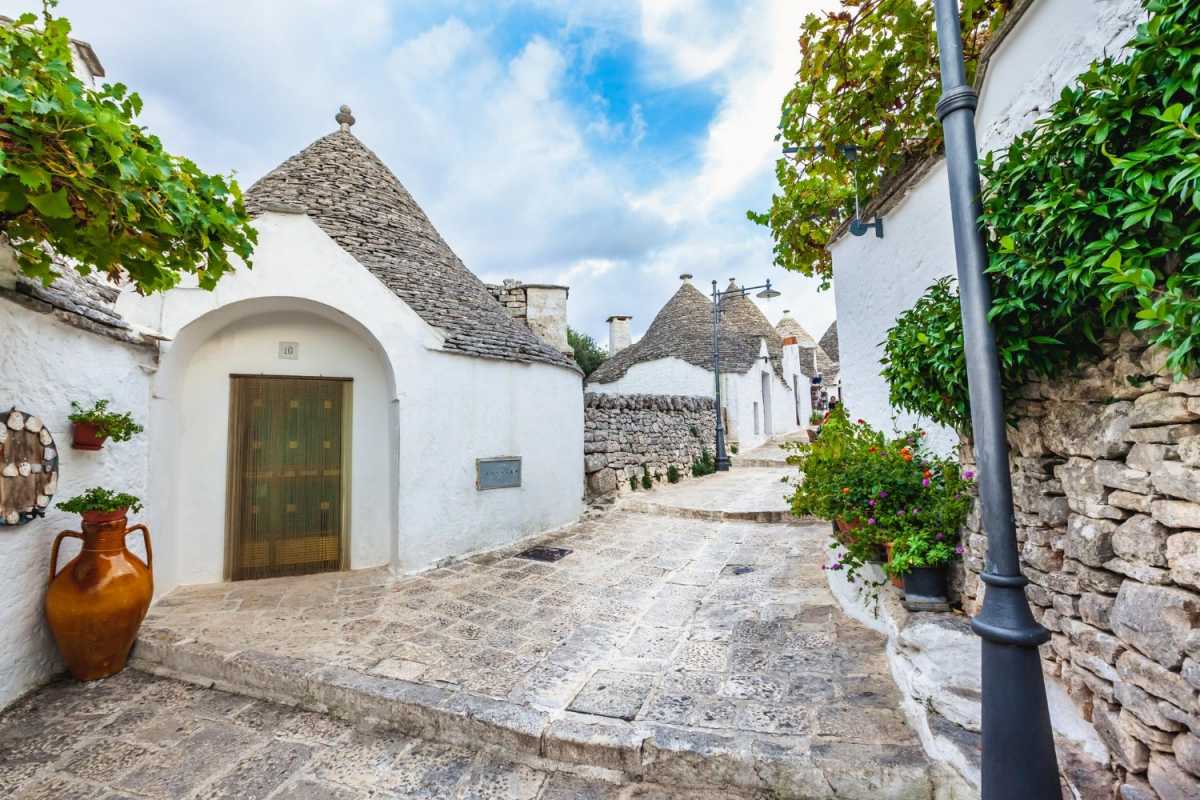
Alberobello, in southern Puglia, is famous for its trulli—houses with distinctive conical roofs. The white walls and gray stone roofs give the town a storybook, almost Smurf-village vibe. To get there, take a train from Bari, the regional hub in the south; the route can feel daunting if it’s your first time in Italy.
When you arrive, wander Aia Piccola to see where locals still live and get a genuine feel for small-town life. Souvenir shops sell trullo-shaped pottery and local specialties like olive oil at reasonable prices.
If you want to soak up southern Italy’s relaxed pace, be sure to add Alberobello to your itinerary.







Most Commented