
Korean Politics in Turmoil: Will Kim Seok-hoon’s Criminal Record Impact the June 3rd By-Election?
Daniel Kim Views
Translation result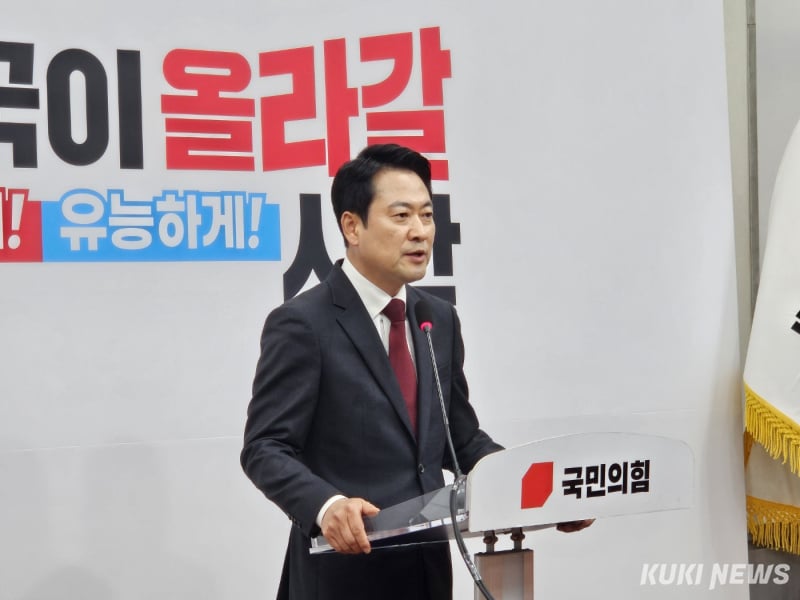
The People Power Party is facing a political backlash after granting an uncontested nomination to former Ansan City Council chair Kim Seok-hoon for the June 3 parliamentary by-election in Ansan Gap. The controversy intensified when it emerged that Kim has four prior convictions, making party leader Jang Dong-hyuk’s role and responsibility in the nomination process a central issue.
Cookie News reported on April 22 that Kim holds four convictions: violations of the Urban Planning Act and the Building Act, a breach of the Public Official Election Act, violations of the Act Regulating Businesses Affecting Public Morals, and obstruction of business.
A candidate’s past violation of election law is a clear liability for voters. The party’s nomination committee defended its choice, calling Kim “a proven worker familiar with local issues,” but critics say the decision contradicts the party’s previous emphasis on exposing the opposition’s ethical lapses.
The controversy has been sharpened by the party’s own messaging. On April 20, the People Power Party unveiled its local-election slogan, “Clean! Competent! Time for the region to rise,” explicitly stressing candidate integrity—an emphasis that has made scrutiny of Kim’s unopposed nomination more acute.
Ansan Gap’s by-election was triggered after former Democratic Party lawmaker Yang Moon-seok lost his seat amid allegations that included loan fraud. The district had appeared winnable for the opposition on moral grounds; critics now argue that the party’s nomination decision has created new political risk.
Local officials and political observers note that the low turnout typical of by-elections elevates the importance of a candidate’s personal integrity and credibility. In that context, they warn, the party’s choice could become a strategic liability rather than an advantage.
Within the party, many view this as a leadership issue rather than an isolated candidate problem. Given that Jang has frequently criticized the opposition on moral grounds, his leadership is vulnerable to charges of double standards. Several party figures are publicly calling for a full review of the vetting process and urging leadership accountability.
Concerns about the credibility of the party’s nominations have spread further as questions about candidates’ qualifications in regions such as North Jeolla Province continue to surface. With roughly 40 days until the election, observers warn that persistent nomination disputes could undermine the party’s broader campaign strategy across the Seoul metropolitan area.
Political analysts say the fallout may extend beyond an internal nomination spat to become a test of the leadership’s stability. How the People Power Party manages this controversy could reshape both the by-election landscape and the party’s internal power dynamics.








Most Commented