
Translation result
Sold out within 10 minutes is a line you’ll often see attached to SPAO’s collaboration drops.
On launch day, the online store freezes and people start lining up outside shops before they even open. Fans of characters and other content rush in right after releases, and staple items disappear fast. So much so that the fashion industry has nicknamed SPAO a collaboration master.
There’s a reason SPAO stands out as the go-to collab brand in South Korea’s packed SPA market.
In recent years, SPAO has steadily broadened its collaboration playbook. It began with character tie-ins and then moved into films, animation, idol groups, and webtoons.
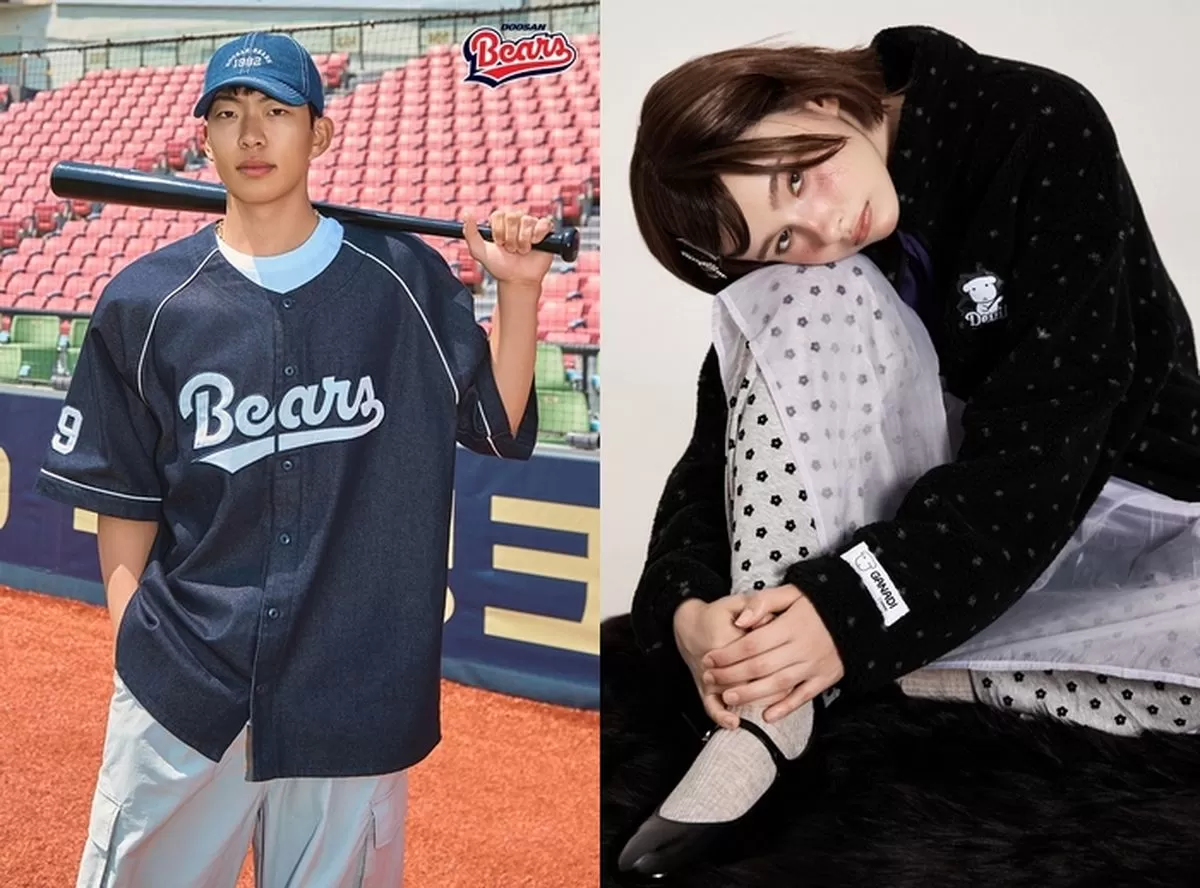
Notable partners include the Harry Potter films, Crayon Shin-chan, the idol group NCT, webtoons like Return of the Mount Hua Sect and Omniscient Reader, and the pro baseball team Doosan Bears.
Collaborations with beloved characters—Sanrio Characters, Meonjakgui, Manggeureojin Bear, and Rilakkuma—have also been huge hits.
Industry insiders say SPAO’s strategy goes beyond simple character merch. By pairing with content that has clear, passionate fanbases, the brand creates real buzz. The surprise factor—“Wait, that became clothing?”—gets people talking, and fans feel a bond with a label that seems to “get” their tastes.
That differentiation shows up even in product planning. For some collabs, SPAO polls customers on social media to gather input on details like design, color, and embroidered phrases.
It’s a prosumer move—turning customers from passive buyers into participants in the process. When fans see a product that reflects their input, they feel a sense of ownership and satisfaction that often converts into purchases.
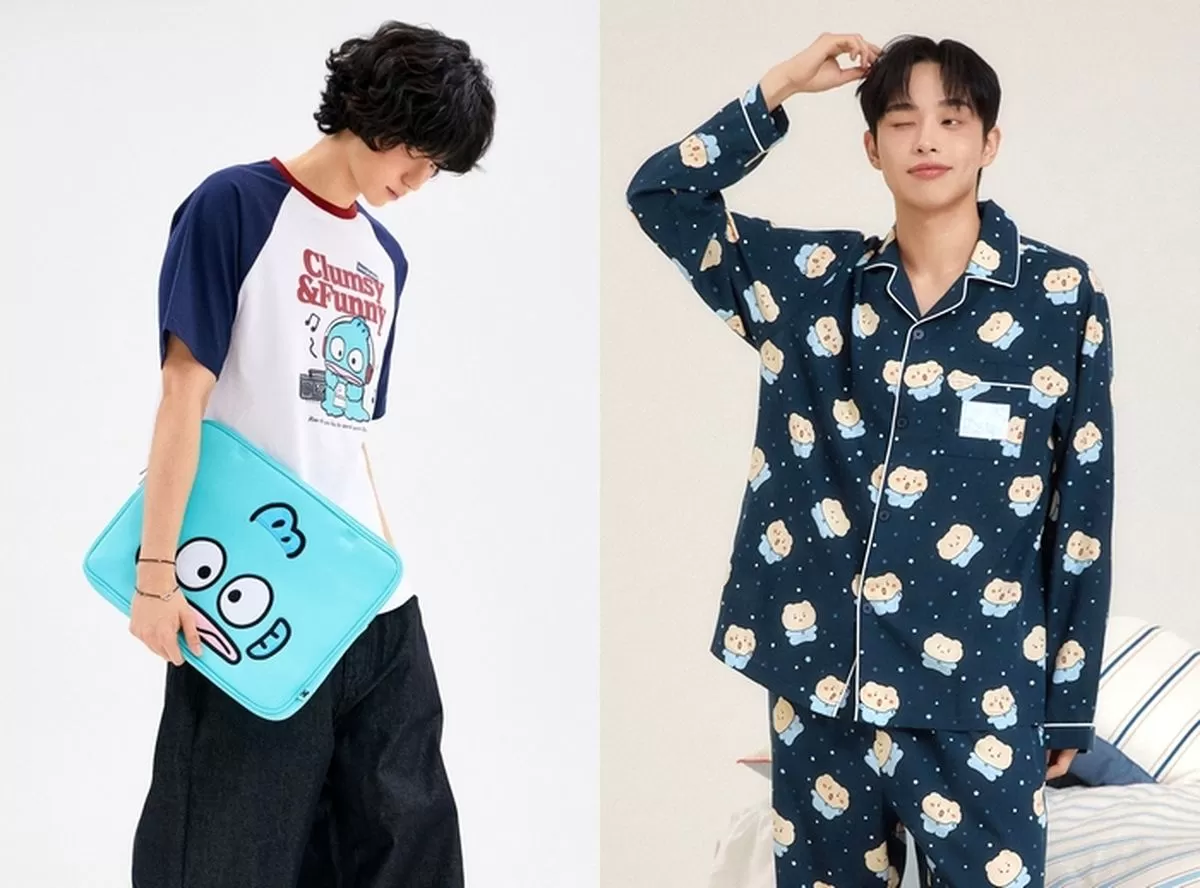
SPAO also weaves a content property’s world into its products. It doesn’t just slap a logo on a tee; it reflects a work’s mood and setting in the design so customers can actually experience the IP’s universe. For example, the Harry Potter collab released house-themed apparel and pajamas, while the Crayon Shin-chan line featured sleepwear and loungewear that captured the character’s everyday scenes and vibe.
Observers say this strategy resonates with younger shoppers—Millennials and Gen Z—who see clothes not just as fashion but as a way to express themselves and extend their fandom.
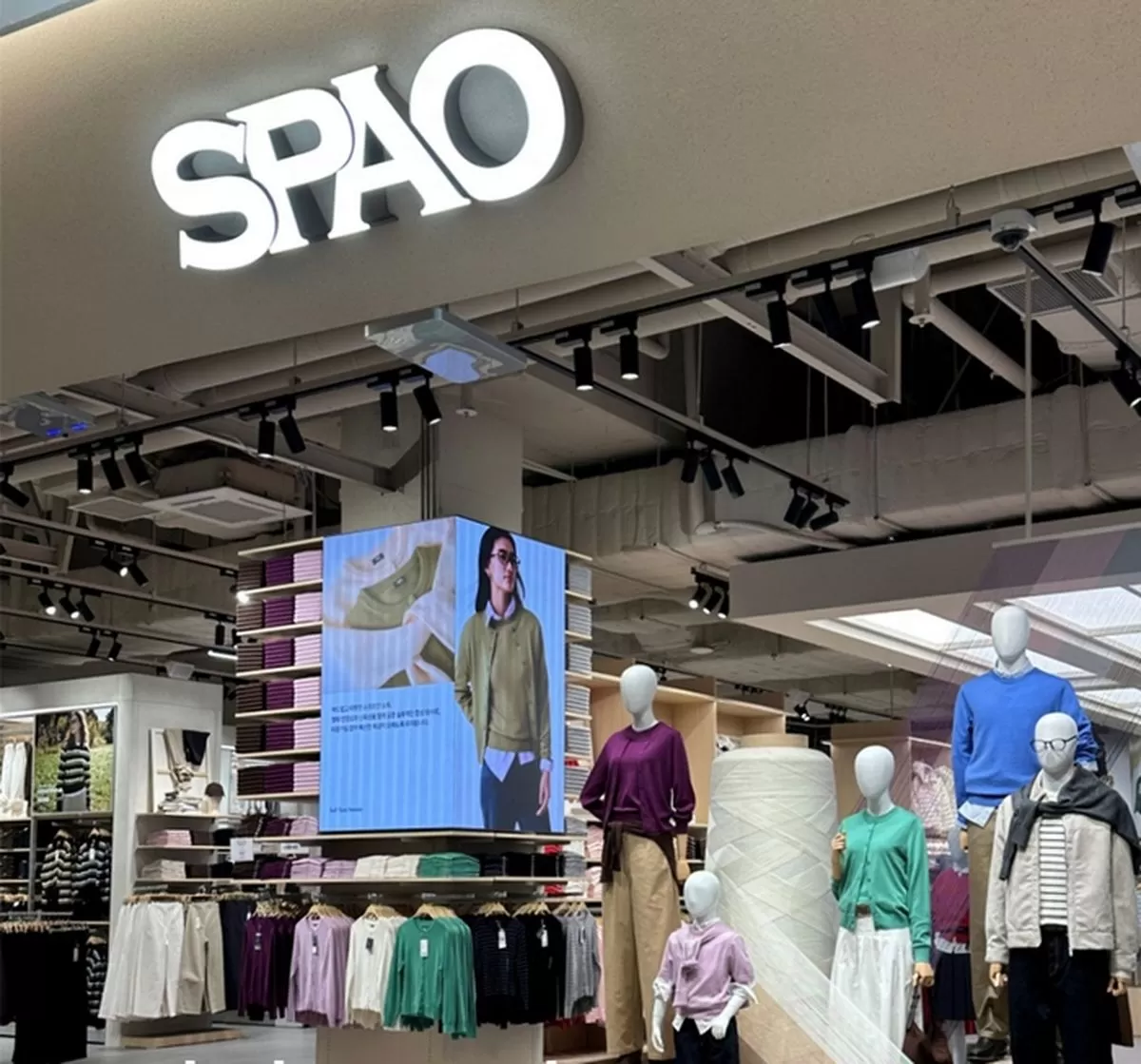
Against that backdrop, SPAO treats collaboration pieces as more than limited-edition clothes—they’re extensions of the content experience. By inviting fandoms into active participation and using two-way communication to shape products, SPAO’s model is emerging as a new survival strategy for SPA brands. In fact, E-Land Group’s SPAO reportedly posted estimated sales last year in the 600 billion KRW range—about 600 billion KRW (approximately 450 million USD)—suggesting the collab strategy is paying off financially.
In an era where taste equals competitive edge, SPAO’s experiments with fandom are setting a fresh benchmark in Korea’s fashion scene. As content-driven fashion becomes mainstream, the industry now sees SPAO’s collab approach as a workable formula for sustainable growth among SPA brands.





Most Commented