
Translation result.
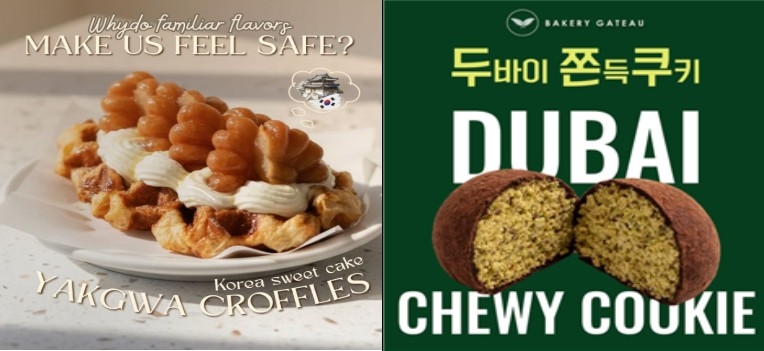
[RealFood=Reporter Yuk Seong-yeon] Dining-out spending aimed at Iftar—the meal that breaks the fast—and the late-night Moreh spiked during Ramadan, the ninth month of the Islamic calendar.
According to the Korea Agro-Fisheries & Food Trade Corporation (aT)’s Agri-Food Trade Info (KATI), local restaurants ran time-targeted promotions to capture crowds both at sunset, when the fast ends, and in the late-night hours after prayers.
Franchise chains leaned into dessert buffets and dinner-hour specials that paired traditional sweets with modern offerings. Inside Scoop, an ice cream shop, staged a dessert buffet featuring a limited selection of ice cream alongside local kuih.
Local coffee brand Bask Bear Coffee ran a daily time sale: app orders placed after 7 p.m. that used the code (B1F1PUASA) got buy-one-get-one-free on all drinks.
Global chains pushed aggressive value deals and large all-you-can-eat buffets. KFC rolled out a limited-time “Unlimited Buka Puasa buffet” at select locations, letting customers enjoy fried chicken without limits.
Korean retailers and dining brands also offered Ramadan-only packages and late-night promotions. Kyochon Chicken introduced a “Ramadan limited chicken sharing pack” designed for groups and promoted special discounts.
Convenience store Emart24 ran a promotion from Feb. 18 to March 20 offering 50% off the second item when customers bought popular snacks between 9 p.m. and 2 a.m. Convenience chain CU offered a standing 40% discount when customers bought two popular items, any time.
An aT official said Ramadan should be understood not as a temporary demand spike but as a “peak-time” economy where nighttime consumption explodes after the fast ends. He recommended developing Moreh-specific late-night menus, creating multi-person sharing packs for Iftar, and using pre-order app marketing to cut wait times.





Most Commented