
Why Water Noodles Are the New Food Trend in Asia: A Deep Dive into Their Simple Elegance
Daniel Kim Views
Translation result
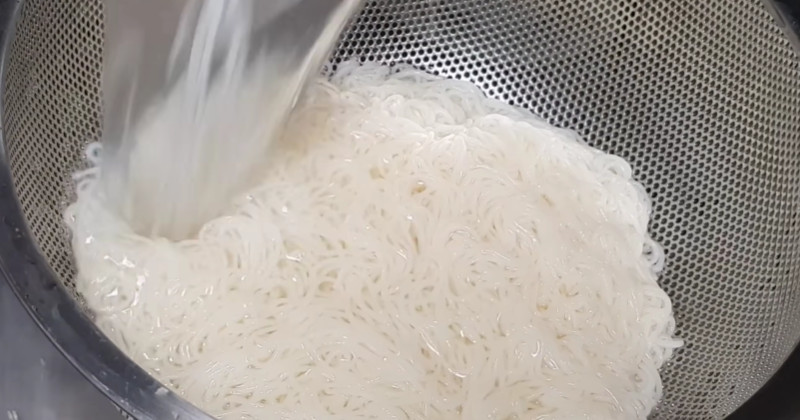
When your appetite is gone or you feel sluggish, one of the first things you crave is a steaming bowl of noodles in hot broth.
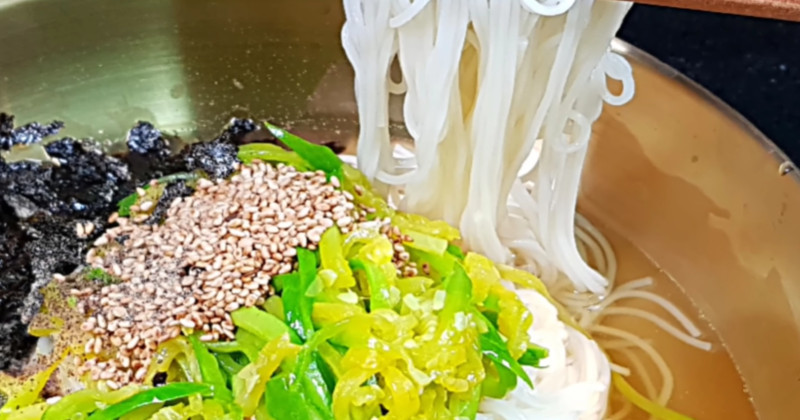
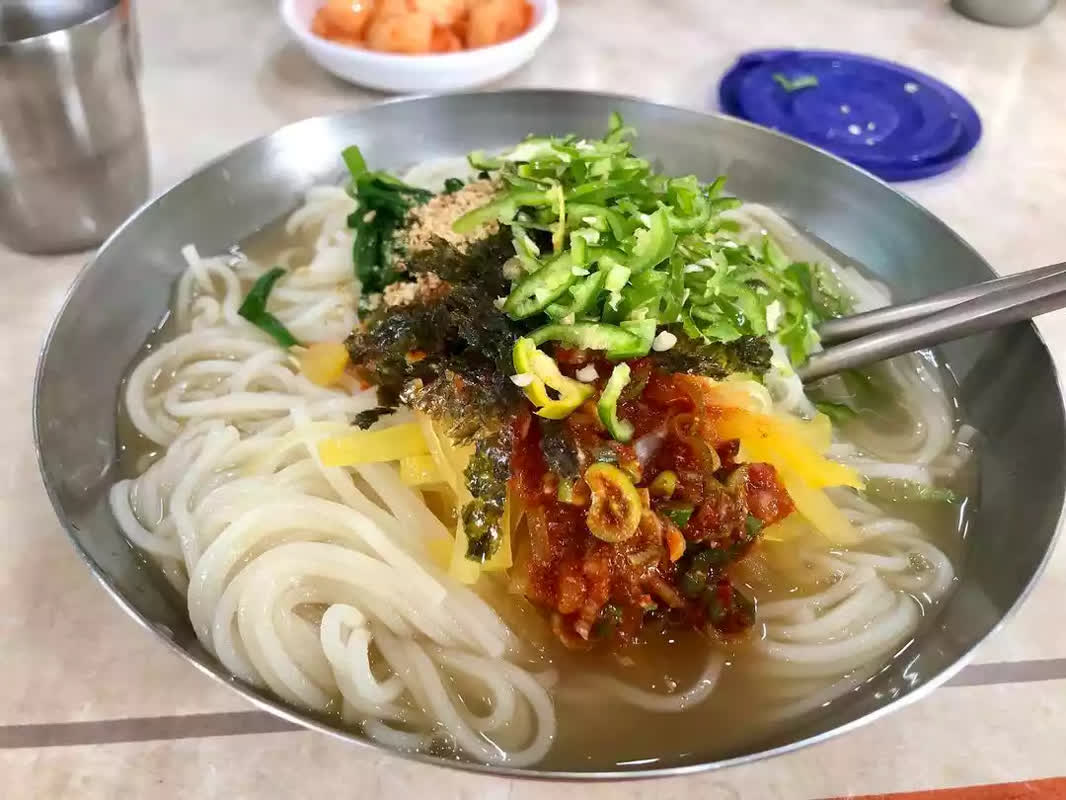
While many immediately picture janchi-guksu (banquet noodles), food lovers are lately championing mul-guksu (water noodles) for its clean, pared-down flavor. Mul-guksu skips flashy toppings and puts the spotlight on a clear, deeply flavored broth—here’s what makes it so appealing and how to master it at home.
Why mul-guksu’s clean charm outshines janchi-guksu
It’s easy to assume mul-guksu is just another name for janchi-guksu, but they aim for different experiences. Janchi-guksu emphasizes visual richness with toppings like egg ribbons, zucchini, and beef, while mul-guksu channels all attention to the broth and noodles.
The biggest asset of mul-guksu is its purity of flavor. Where janchi-guksu blends oils and tastes from many toppings into a layered profile, mul-guksu lets a clear stock made from anchovies and kelp take center stage. The crisp, refreshing broth that glides down without leaving residue can become quietly addictive once you try it.
It’s also gentle on the stomach. Without fried or oily toppings, it digests easily and isn’t overpowering, making it a smart choice for breakfast or a late-night snack. After a night out, mul-guksu’s clear broth often revives you faster than heavier hangover soups.
The classic technique: broth depth makes the dish
About 80% of mul-guksu’s success comes from the broth. Without toppings to carry the dish, the stock must be made with extra care.
Start with dried anchovies for stock. Remove their guts and briefly toast them in a dry pan to eliminate any fishy smell. Add kelp, leek roots, radish, and onion, and begin simmering from cold water. When it reaches a boil, remove the kelp within 10 minutes to keep the stock clear and avoid a slimy texture. Lower the heat and simmer gently for at least 30 minutes, then season simply with salt and guk-ganjang (soup soy sauce). A tiny splash of fish sauce can boost umami without taking over.
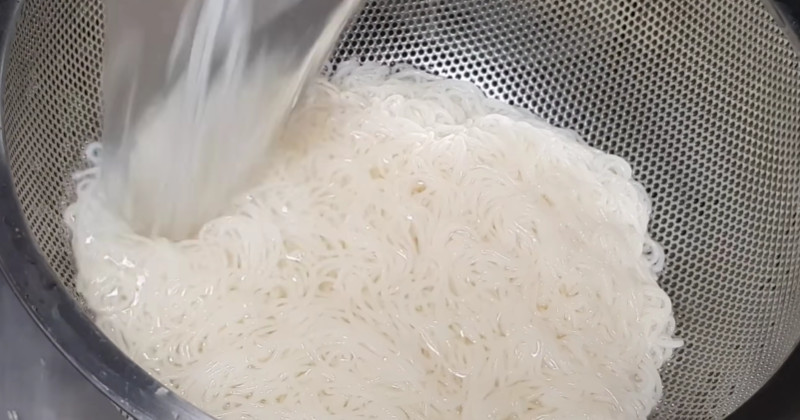
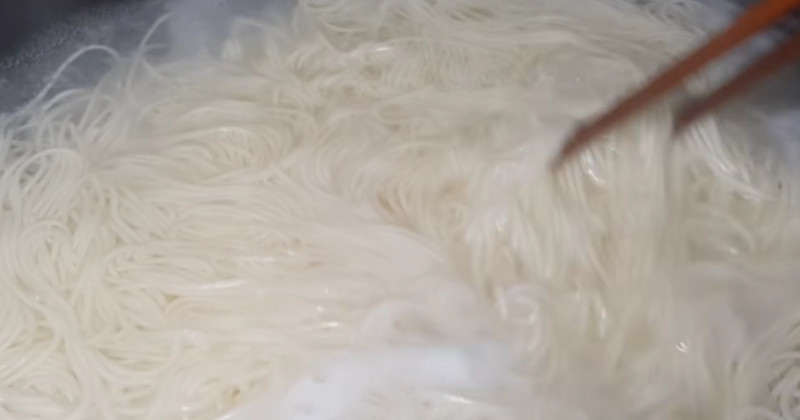
Cooking the noodles takes technique, too. Drop thin wheat noodles into boiling water and, as the water rises, add a little cold water three times. This helps the noodles cook evenly while staying springy. Rinse the finished noodles vigorously in cold water to remove all starch so the broth won’t cloud. Finally, repeatedly ladle hot broth over the cold noodles into the bowl and back into the pot (a technique called toryeom)—this warms the noodle centers and yields the best texture.
Key cautions to avoid failure
Because mul-guksu is so simple, a small mistake can spoil the whole bowl. Controlling fishiness is critical: when making anchovy stock, boil it uncovered so any off-odors can dissipate. Also reduce the heat once the water boils—an aggressive boil makes the stock cloudy and bitter, ruining mul-guksu’s signature clarity.
Timing your seasoning matters, too. Noodles dilute the broth’s saltiness as soon as they enter the bowl, so make the stock slightly saltier than you would for a regular soup. If you serve the dish with a separate seasoning sauce, keep the stock light and let diners enjoy the sauce’s flavor. And be sure to drain the rinsed noodles completely—leftover water cools the broth and dilutes the taste.
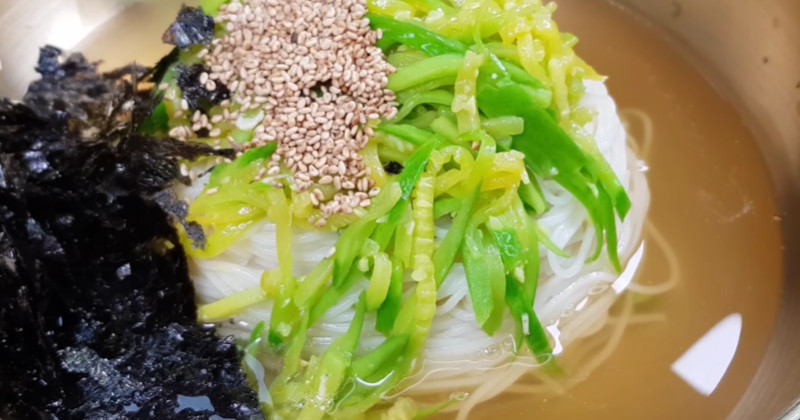
The art of one bowl that satisfies health and taste
Mul-guksu is more than comfort food—it’s nutritious. Anchovies and kelp are rich in calcium and minerals that support bone health and circulation. The warm leek- and onion-based stock helps blood flow and keeps you cozy. Add a slice of well-fermented kimchi and you’ll also get vitamins and beneficial bacteria for a balanced bite.
Because it’s unpretentious, mul-guksu never gets old. This humble bowl, true to its core flavors, is easy to enjoy every day. For people tired of complicated cooking, mul-guksu teaches the beauty of restraint: stripping away excess to focus on the broth. That ritual offers a brief escape from daily noise. A carefully made bowl of mul-guksu is a simple, soothing comfort for a weary body and mind.






Most Commented