
Discover the Health Benefits of Chwinamul: The Spring Herb You Need for a Balanced Diet
Daniel Kim Views
Translation result
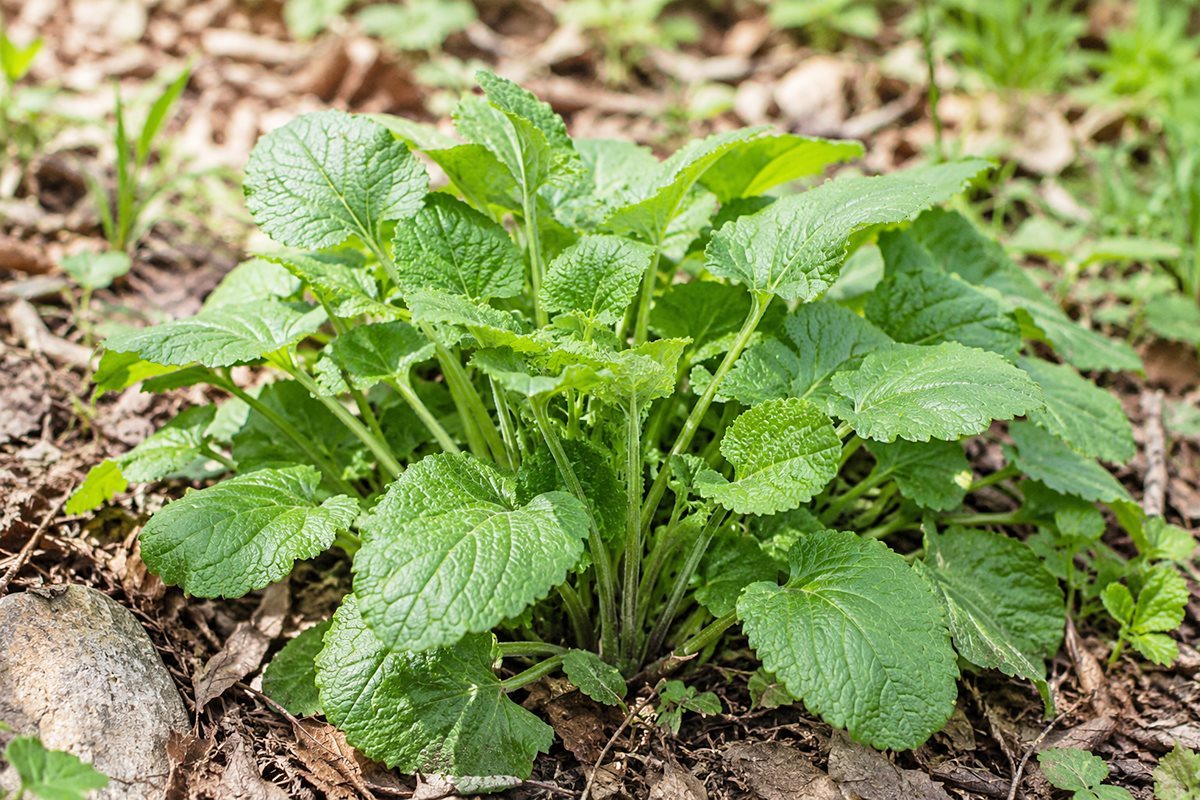
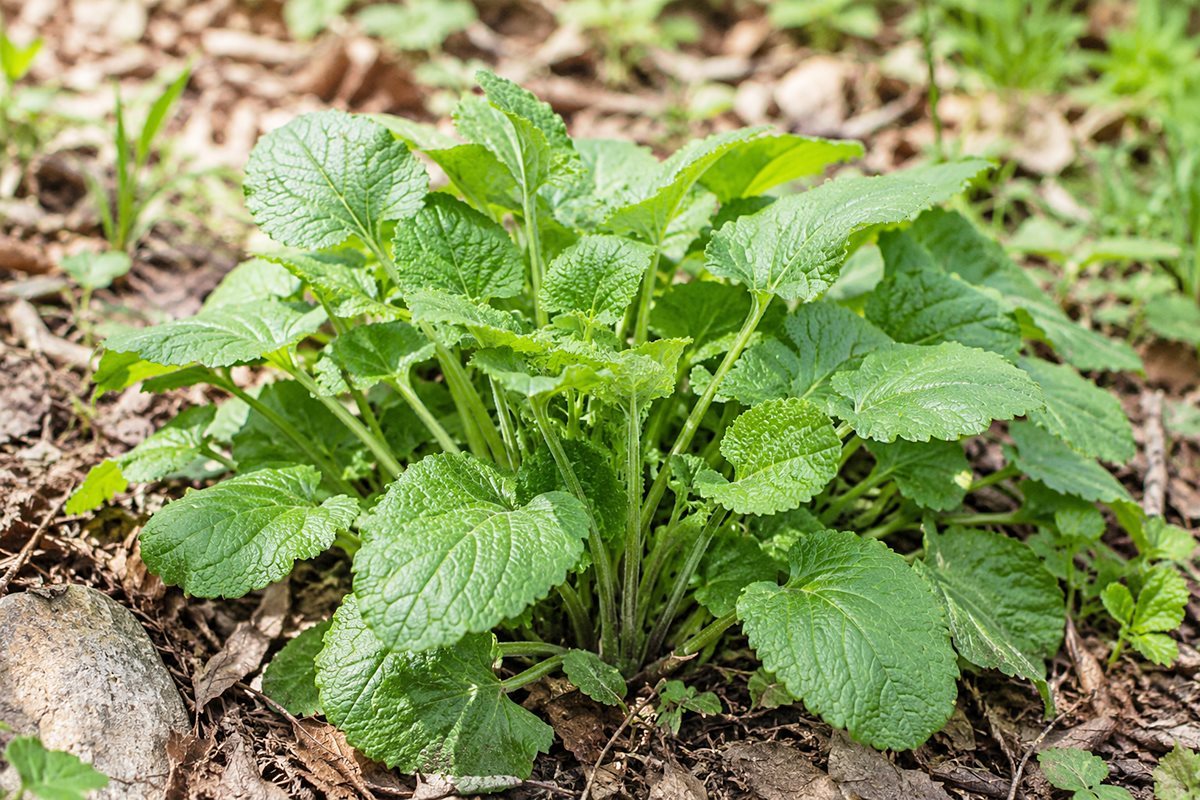
Chwinamul has long been one of Korea’s most beloved mountain greens. Its floral aroma and silky texture make it a springtime staple, and with health-conscious eating on the rise, people are enjoying it year-round.
The term chwinamul covers several members of the aster family and typically refers to fragrant varieties like chamchwi and gomchwi. Wild chwinamul growing in fields and mountains is recognizable by its deep green leaves and subtle, lingering scent.
Chwinamul: fragrant and tender
Chwinamul has a light, pleasant bitterness balanced by savory notes, so it’s delicious eaten on its own. It’s especially famous as a match for beef: the herb’s aroma lifts the meat’s flavor, which is why the pairing has been popular for generations.
Koreans have long treated chwinamul as a springtime appetite-booster. After a long winter without fresh greens, people would blanch freshly picked chwinamul to welcome the new season. Young shoots are delicate and highly aromatic—perfect for seasoned salads or wrapped bites—while larger leaves stand up well to stir-fries and soups.
In some regions, chwinamul is dried and later rehydrated as muknamul. Drying intensifies the aroma and gives it a chewier bite, turning it into a winter specialty. The plant’s strong scent can be polarizing, but once you’re hooked, it delivers a depth of flavor most everyday greens can’t match.
Why does chwinamul work so well with beef? It’s all about balance. Beef is rich in fat and protein, producing a deep umami that can feel heavy in large amounts. Chwinamul’s fragrant, slightly bitter edge cleanses the palate and highlights the meat’s savory qualities.
With fatty dishes like bulgogi or grilled Korean beef, chwinamul cuts grease and whets the appetite. Many traditional restaurants and specialty mountain-vegetable bibimbap spots pair the two because they complement each other so well. Try chwinamul lightly seasoned with sesame oil and doenjang alongside warm beef for a clean, layered taste.
Chwinamul is a nutritional powerhouse
Chwinamul isn’t just tasty—it’s nutritious. It’s known for its fiber and vitamin content, especially vitamins A and C, which support immunity and help with fatigue recovery.
High fiber helps digestion and promotes fullness, making chwinamul a smart choice for anyone trying to eat healthier. When your appetite lags in spring, its aroma and gentle bitterness can stimulate hunger and help you bounce back.
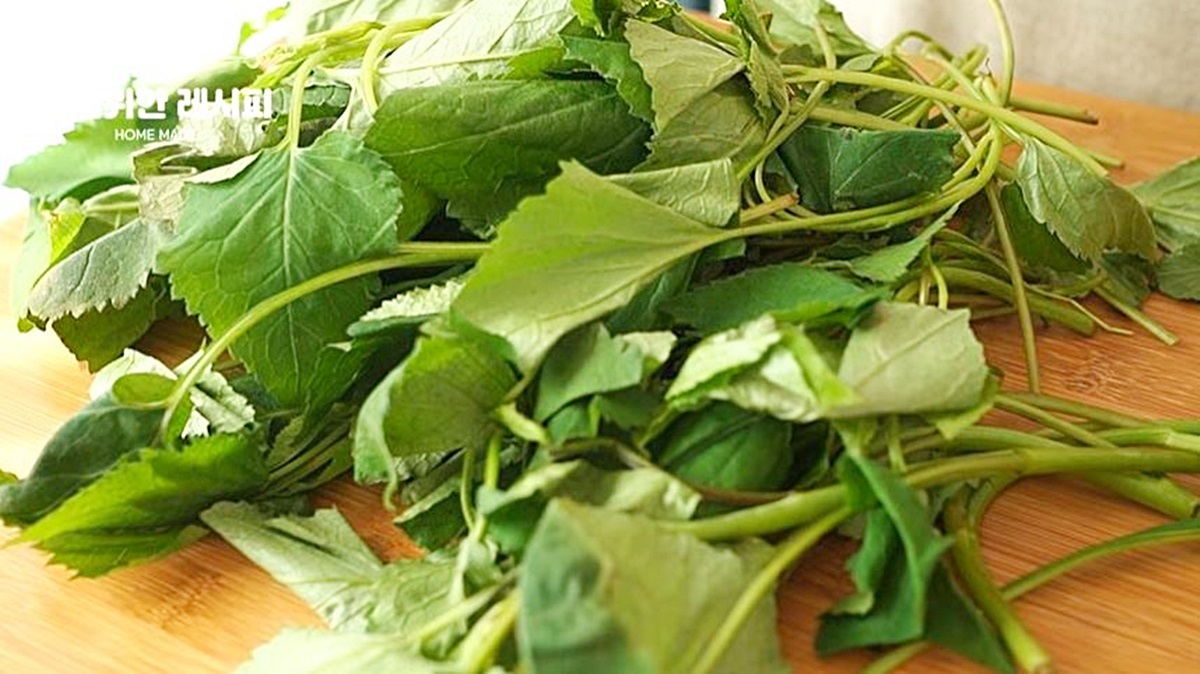
Chwinamul also contains polyphenols, antioxidants that may reduce reactive oxygen species in the body, so regular consumption could support overall health. It’s a good source of potassium, which helps flush excess sodium, and it’s relatively low in calories—perfect for lighter, satisfying meals. Because its aroma is strong, a small portion can go a long way, which makes it popular among people focused on healthy eating.
Chwinamul prefers moderately moist mountain meadows. In Korea, it grows wild in mountainous areas like Gangwon Province and northern Gyeongsangbuk-do, favoring spots with gentle sunlight and fertile soil.
Where chwinamul grows best
In spring, you’ll spot clusters of pale green chwinamul on mountain slopes. Cultivation has advanced, so growers now raise it in greenhouses and fields, and you can find it at supermarkets and traditional markets. Wild chwinamul tends to be more aromatic and full-flavored, while cultivated varieties are softer and more consistent.
The best way to enjoy chwinamul is to blanch it briefly and season it. Add a pinch of salt to boiling water, blanch the greens for just a few seconds, rinse in cold water, squeeze out excess moisture, then toss gently with doenjang or soy sauce, minced garlic, and sesame oil to showcase the plant’s natural aroma. A sprinkle of roasted perilla seed powder adds a toasty finish.
When serving chwinamul with beef, keep the seasoning mild. Serve it beside bulgogi or wrap grilled beef in the greens so the aroma blends with the meat’s juices for a luxurious bite.
Chwinamul also shines in bibimbap. Combine it with other namul like gosari or bellflower root, add gochujang or doenjang, and the mountain-vegetable fragrance comes alive. Top the bowl with stir-fried beef for a meal that’s rich in both flavor and nutrition.
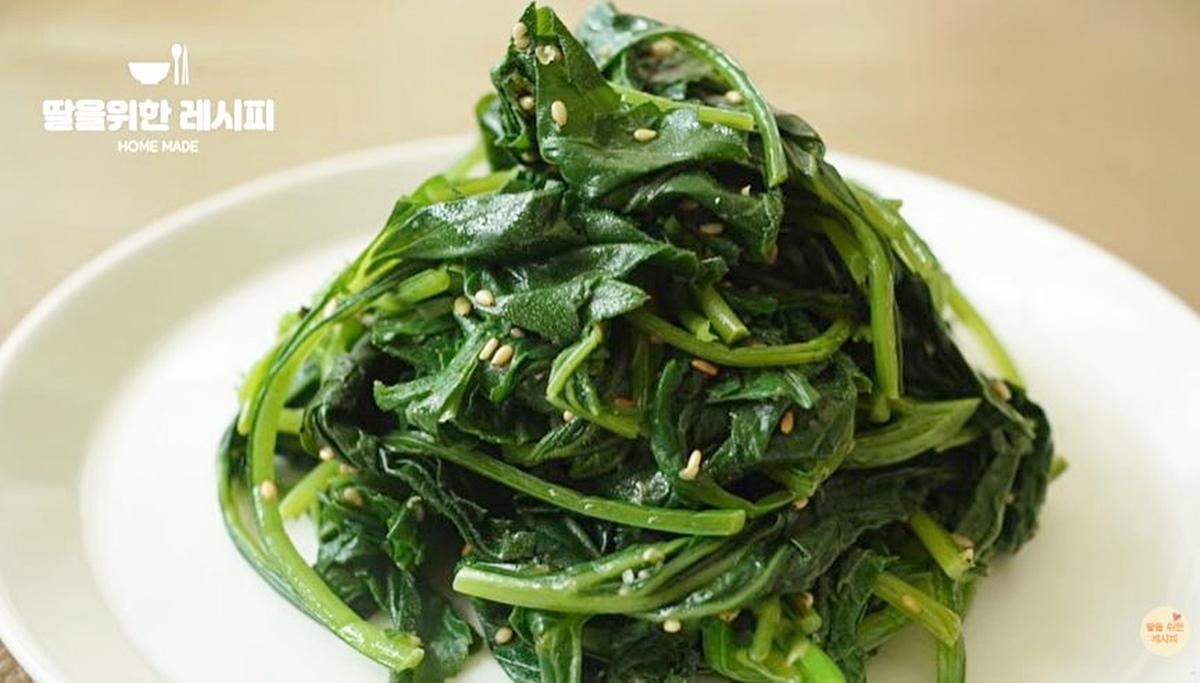
Many people add chwinamul to doenjang soups, and rehydrated dried chwinamul makes a richly flavored muknamul stir-fry. Chefs are also experimenting with it in modern dishes—think pastas and salads—so its culinary reach keeps expanding.
One golden rule: don’t overcook chwinamul. Prolonged heat dulls the aroma and makes the texture limp. It’s generally blanched briefly rather than eaten raw, and dried chwinamul should be fully rehydrated before use.
Don’t over-blanch chwinamul
Pick chwinamul with bright leaves and stems that aren’t overly tough. To store it in the fridge, pat it dry and keep it airtight to preserve the aroma longer.
More than a simple wild green, chwinamul has been a cherished ingredient in Korean food culture for generations. Its fragrant flavor, nutritional benefits, and perfect pairing with beef keep it in steady demand.
One of chwinamul’s greatest charms is how well it balances rich beef dishes. With its natural aroma, chwinamul awakens spring appetites and helps create a satisfying, healthy meal—so it’s likely to stay popular for years to come.

For context, beef has long been a staple in the Korean diet. It’s nutrient-dense and can help support overall health.
The standout benefit of beef is its high-quality protein. Protein from beef supports muscle growth and tissue maintenance, which is helpful for growing children, active adults, and older adults needing extra nutrition.
Beef is also rich in iron, particularly in forms the body absorbs well, which can help prevent anemia. That’s why people who often feel fatigued or who have low iron levels tend to include beef in their diets.
Beef supplies B vitamins, too—especially vitamin B12, which supports nerve function, red blood cell production, and energy metabolism. It also provides minerals like zinc and selenium that support immune function and overall bodily processes.
Zinc plays a role in immune cell activity and recovery. Because fat content varies widely by cut, it’s best to eat beef in moderation and balance it with vegetables and greens. When enjoyed in appropriate portions as part of a healthy diet, beef can support nutrition and energy maintenance.







Most Commented