
Translation result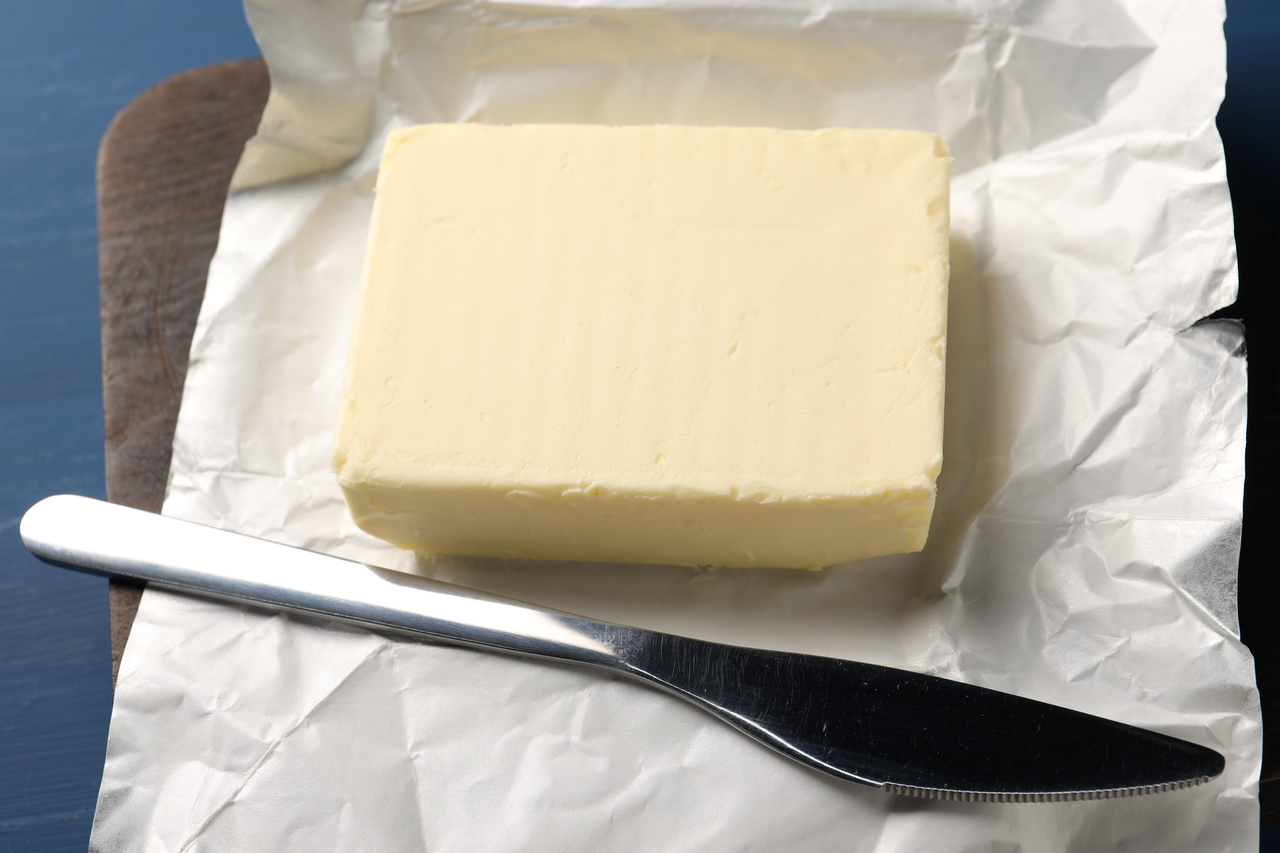 [RealFood=Reporter Yook Sung-yeon] “It says ‘milk butter’—isn’t this natural butter?”
A woman in her 30s, identified as Ms. Koo, said she didn’t realize the butter she bought at a convenience store was processed butter. “I bought it instead of margarine because I don’t like palm oil and additives, but I found out I’d been eating processed butter,” she said.
Butter seems like one simple product, but it comes in two types: natural butter and processed butter. Both can legally be labeled with the word “butter,” which is why shoppers sometimes mistake processed blends for pure butter.
Technically, butter is a dairy product made by separating milk fat from raw milk or other dairy, or by fermenting those components. Processed butter begins with that butter but then has other foods or food additives mixed in. In short, the butter most people imagine is a single-ingredient product made only from milk, whereas processed butter is a composite product that blends butter with vegetable oils and additives.
If the product’s food type is simply listed as “butter,” the ingredient list will usually show straightforward items like cream, salt, and cultures. Processed butter, however, often includes ingredients beyond milk fat—think palm oil, hydrogenated oils, preservatives, and emulsifiers.
The key difference is milk fat content. According to South Korea’s Ministry of Food and Drug Safety, butter must contain at least 80% milk fat. Processed butter, by contrast, has a milk fat content of 30% or more. That higher milk fat in natural butter gives you the rich, true-butter flavor.
Processed butter’s perks are price and convenience: it’s cheaper, additives extend its shelf life, and it spreads more easily straight from the fridge.
If you want to avoid additives or savor authentic butter flavor, opt for natural butter. The catch is that the distinction isn’t always obvious. Current rules allow processed butter to be labeled simply as “butter.” When brands use names like “milk butter” or “buttery flavor” without clarifying that it’s processed, shoppers can get confused.
To tell the difference, don’t rely on the product name—check the food type listed on the back or bottom of the package. That line will specify whether it’s natural butter or processed butter. The labeling is mandatory under food standards, but the print can be tiny and easy to miss.
If it’s processed butter, pay extra attention to the nutrition facts. Under revised regulations being phased in this year, nutrition labeling is now required for butter. That includes calories, sodium, sugars, fat, protein, and other nutrients. The ministry expanded mandatory nutrition labels from 182 items to cover all processed foods—including butter and processed butter—bringing the total to 259 items.




Most Commented