
Translation result.
Trump Withdraws Call for Allied Deployments Just Three Days Later
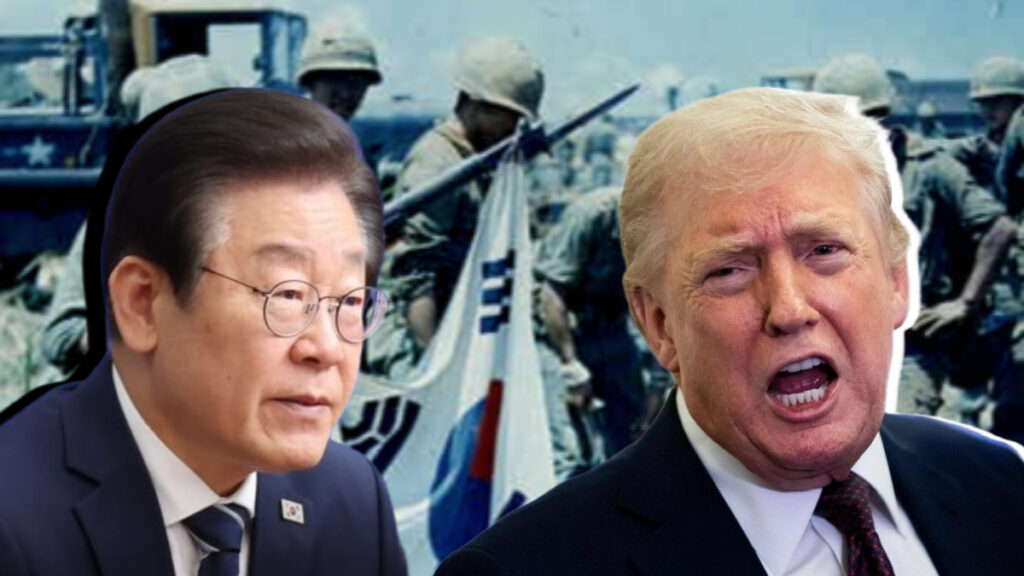
As U.S. military operations against Iran enter their third week, President Donald Trump took the unusual step of rescinding his request for allied ship deployments. In just three days, his position shifted from saying allied forces were needed to saying they were not.
Given the stakes for alliance cohesion, analysts are divided over whether the reversal was a deliberate negotiating ploy or a genuine break with partners.
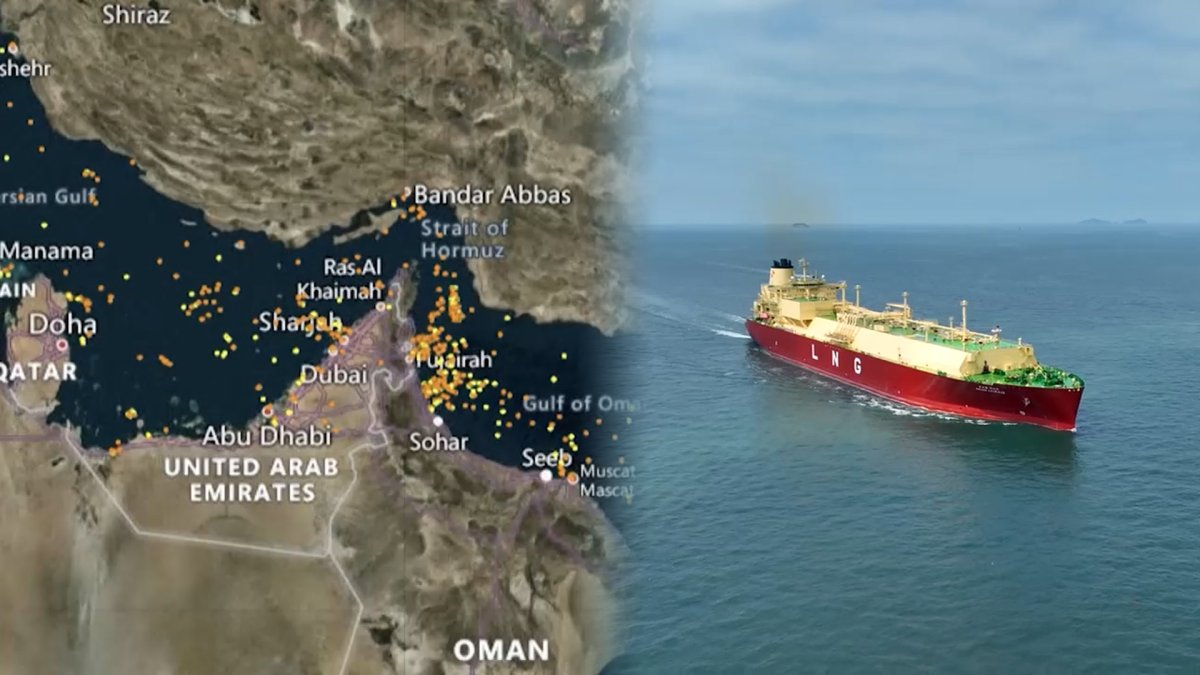
On March 14 (local time), Trump posted on Truth Social that China, France, Japan, South Korea and the United Kingdom would send warships to help secure the Strait of Hormuz.
When most NATO members formally declined to join operations targeting Iran, Trump reversed course on March 17, again via Truth Social. He said the U.S. had achieved its objectives and no longer needed support from NATO, Japan, Australia or South Korea.
He criticized NATO, arguing the United States spends hundreds of billions of dollars annually defending allies and that he has long seen the alliance as one-sided. He also framed the operation as decisive, asserting Iran would need roughly a decade to rebuild and signaling confidence that U.S. goals were met without coalition support.
Why the Strait of Hormuz Makes Allied Deployments a Flashpoint
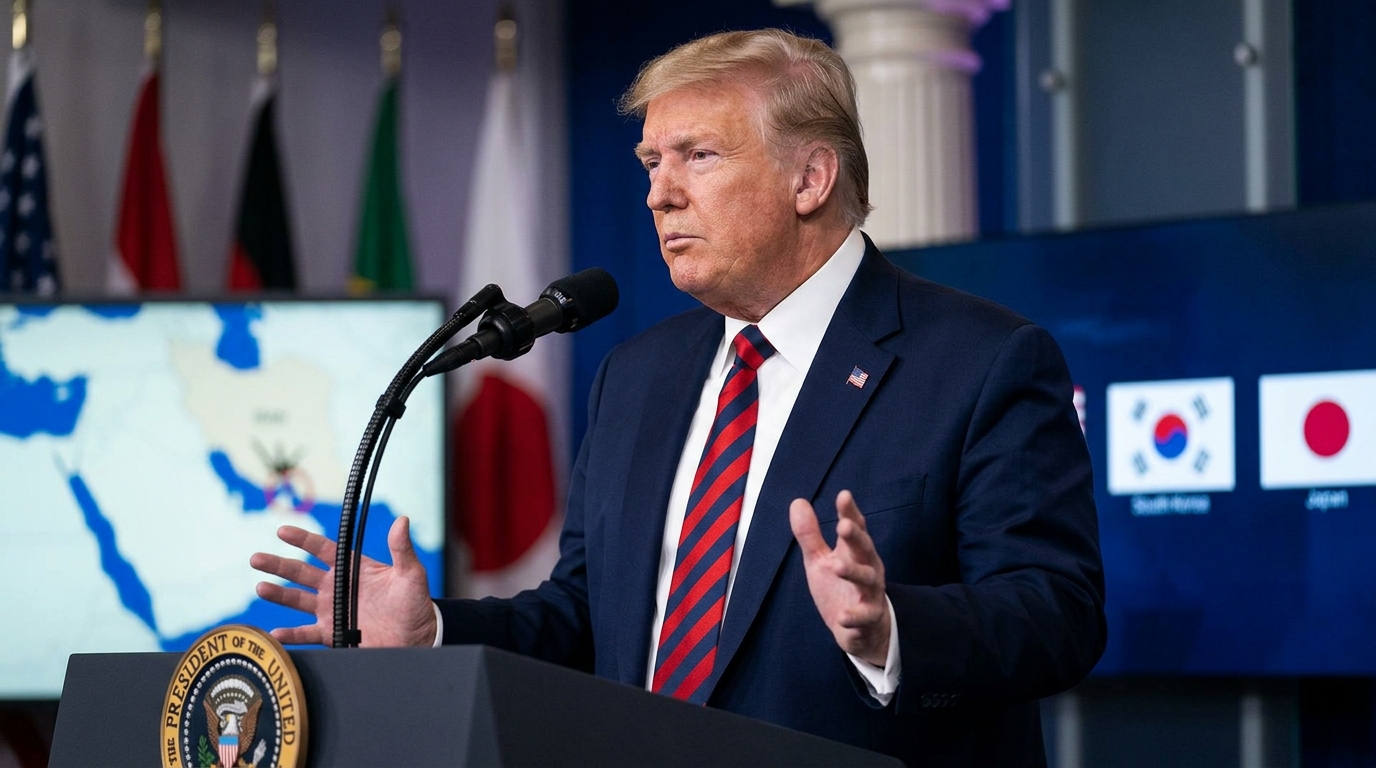
The Strait of Hormuz is a strategic chokepoint, handling roughly 30% of global oil shipments. A blockade would directly hit energy-dependent importers, including South Korea, Japan and China.
That strategic reality explains why Trump explicitly singled out South Korea when he urged warship deployments. Seoul has maintained it received no formal request. NATO likewise rejected collective military action — a response that infuriated Trump, who called it a \”foolish mistake.\”
A Negotiating Tactic or a Signal of Alliance Realignment?
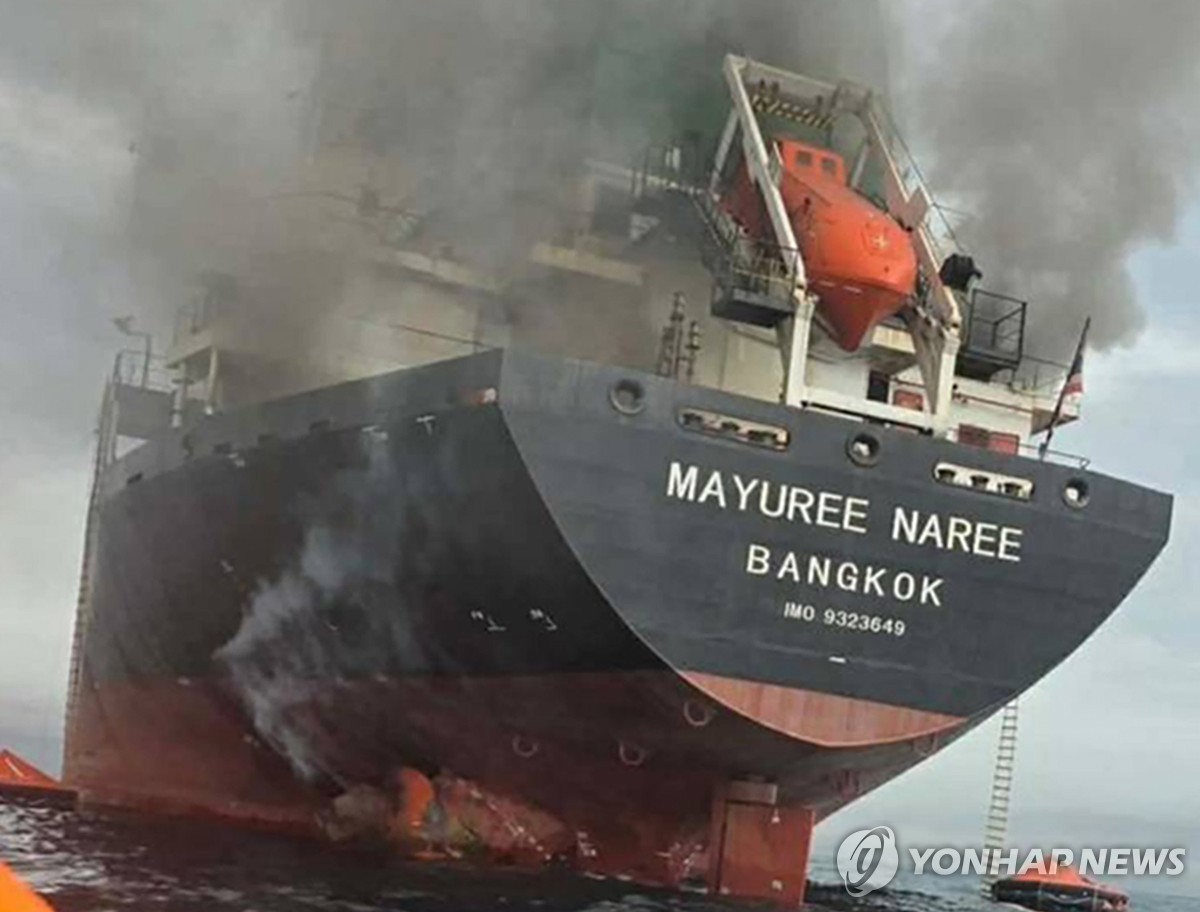
Experts caution against writing off Trump’s statements as purely emotional. With a U.S.-Japan summit approaching, a public declaration that \”we don’t need help\” can serve both as pressure and as an inducement.
Analysts say the tactic fits Trump’s playbook: create a binary in which refusal risks exclusion while cooperation secures partnership, thereby maximizing leverage in negotiations.
Trump has also pushed back a planned U.S.-China summit to late April or early May, a move some observers see as leverage to push China into cooperating on Iran-related issues. At the same time, House Speaker Mike Johnson (R) has called allied cost-sharing and deployment requests \”very reasonable,\” leaving open the possibility the demand could return.
South Korea’s Strategic Space Narrows
For Seoul, the choices are costly either way. Agreeing to deploy ships risks diplomatic fallout with Iran; refusing risks reigniting disputes over burden-sharing in the U.S.-South Korea alliance.
Analysts warn that Trump’s verbal volatility — oscillating between demanding allied deployments and declaring them unnecessary — could undermine trust among partners. With no clear timeline for reopening the Strait of Hormuz and the possibility of prolonged conflict, Trump’s hints at additional strikes on Iranian nuclear facilities could further escalate tensions.










Most Commented