Quick access to main page (top) Direct access to main contents Quick access to main page (bottom)

US-Iran Peace Talks Begin: What Are the Key Demands from Both Sides?

Daniel Kim Views  

 EPA
 EPA

The United States and Iran have opened formal peace talks aimed at ending a prolonged war. Mediator Pakistan hosted the negotiations, which could reshape the strategic balance across the Middle East.

On April 11 (local time), Iranian state media and U.S. outlets reported that President Donald Trump confirmed the start of formal ceasefire negotiations between the two countries.

Kelly Meyer, NewsNation’s White House correspondent, wrote on X that she spoke directly with President Trump and verified the Islamabad talks had officially begun. CBS also reported that the U.S. and Iran had entered peace negotiations.

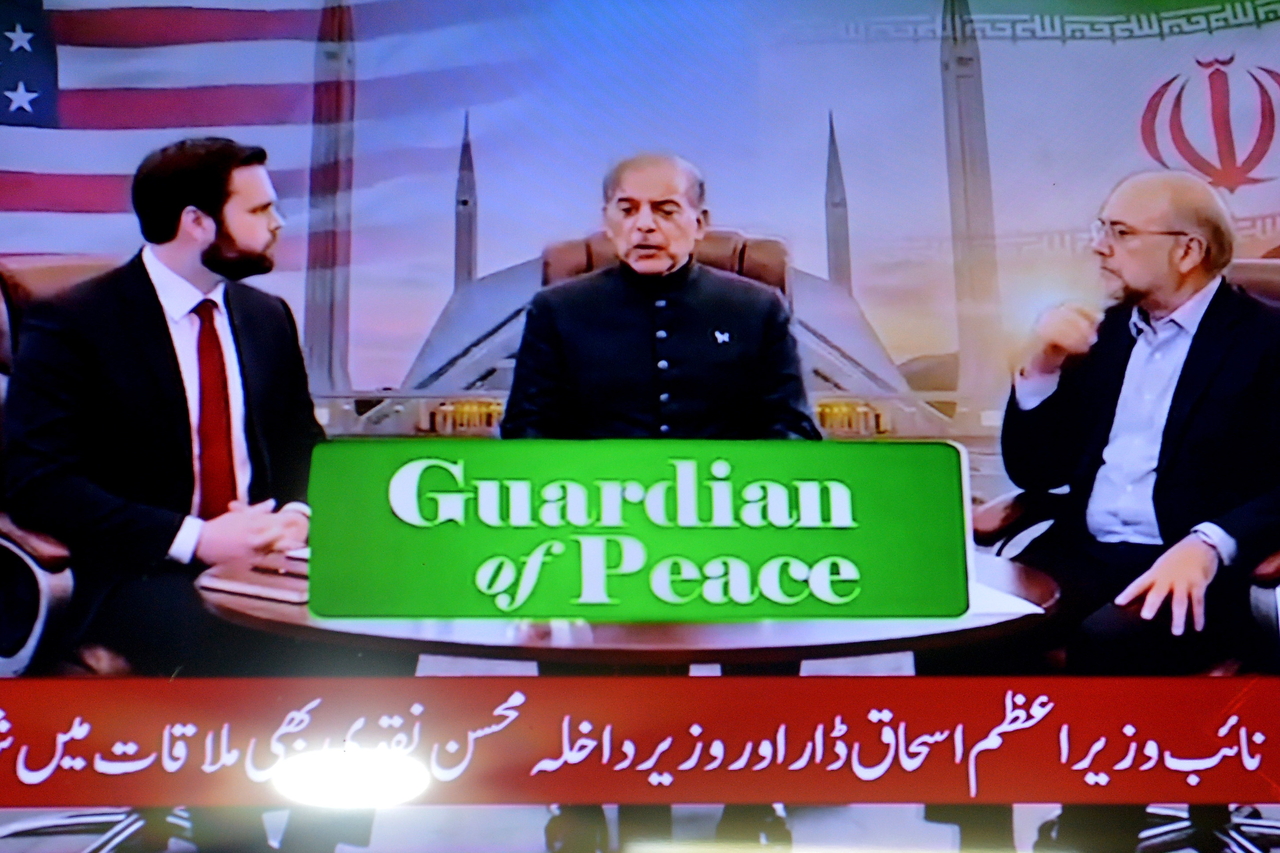
Ahead of the formal sessions, each delegation met separately with Pakistani Prime Minister Shehbaz Sharif for coordination, producing tense exchanges.

Iran moved first. The 70-member Iranian delegation, which arrived in Islamabad the previous day, told Prime Minister Sharif it would not yield on four “red lines.”

Reuters listed Iran’s nonnegotiable demands as recognition of Iranian control over the Strait of Hormuz; compensation for war damages; the unfreezing and return of Iran’s overseas assets; and a halt to fighting across the Middle East. State broadcaster IRIB said future talks with the U.S. would depend on the outcome of the meeting with the prime minister, signaling Iran’s bid to seize the initiative.

The U.S. acted quickly as well. A delegation led by Vice President JD Vance met with Prime Minister Sharif the same day to discuss response options.

Pakistan’s Prime Minister’s Office confirmed both meetings and said it hoped the talks would serve as a steppingstone toward lasting peace in the region. With each side advancing conflicting demands, efforts to negotiate an end to the war are now underway in earnest.

Most Commented

Daniel Kim
content@en.tenbizt.com

[Military] Latest Stories

  • 30 of 33 Iran Missile Bases Still Active: Intelligence Defies Trump Claims
    30 of 33 Iran Missile Bases Still Active: Intelligence Defies Trump Claims
  • US Javelin Missiles Deployed in Taiwan’s High-Stakes Live-Fire Drill
    US Javelin Missiles Deployed in Taiwan's High-Stakes Live-Fire Drill
  • North Korea’s 10-Year Nuclear Threat: Is a Limited Strike Imminent?
    North Korea's 10-Year Nuclear Threat: Is a Limited Strike Imminent?
  • AI vs. Video Compression: How RMX is Redefining Tactical Edge Tech
    AI vs. Video Compression: How RMX is Redefining Tactical Edge Tech
  • US-South Korea Security Meeting Sparks Tension Over Military Control
    US-South Korea Security Meeting Sparks Tension Over Military Control
  • Iran Claims Missile Strikes on U.S. Military Bases: Did They Hit?
    Iran Claims Missile Strikes on U.S. Military Bases: Did They Hit?

Weekly Best Articles

  • 2026 FIFA World Cup in LA: 39 Days of Unforgettable Fan Experiences and Events!
  • Maximize Your Paris Trip: Essential Guide to Mont Saint-Michel Day Tours and Overnight Stays
  • Dubai vs. Japan: Which Destination Offers Better Safety and Cleanliness for Travelers?
  • ASEAN Tourism Forum 2026: Key Insights on Sustainable Growth in Cebu
  • Hyeri’s Luxurious Tokyo Baby Moon: Discover Why Bulgari Hotel Stands Out
  • Mont Saint-Michel Tour: Day Trip vs. 1-Night Stay – Which One Suits Your Travel Style?

Weekly Best Articles

  • 2026 FIFA World Cup in LA: 39 Days of Unforgettable Fan Experiences and Events!
  • Maximize Your Paris Trip: Essential Guide to Mont Saint-Michel Day Tours and Overnight Stays
  • Dubai vs. Japan: Which Destination Offers Better Safety and Cleanliness for Travelers?
  • ASEAN Tourism Forum 2026: Key Insights on Sustainable Growth in Cebu
  • Hyeri’s Luxurious Tokyo Baby Moon: Discover Why Bulgari Hotel Stands Out
  • Mont Saint-Michel Tour: Day Trip vs. 1-Night Stay – Which One Suits Your Travel Style?

Hot Topics