
Translation result
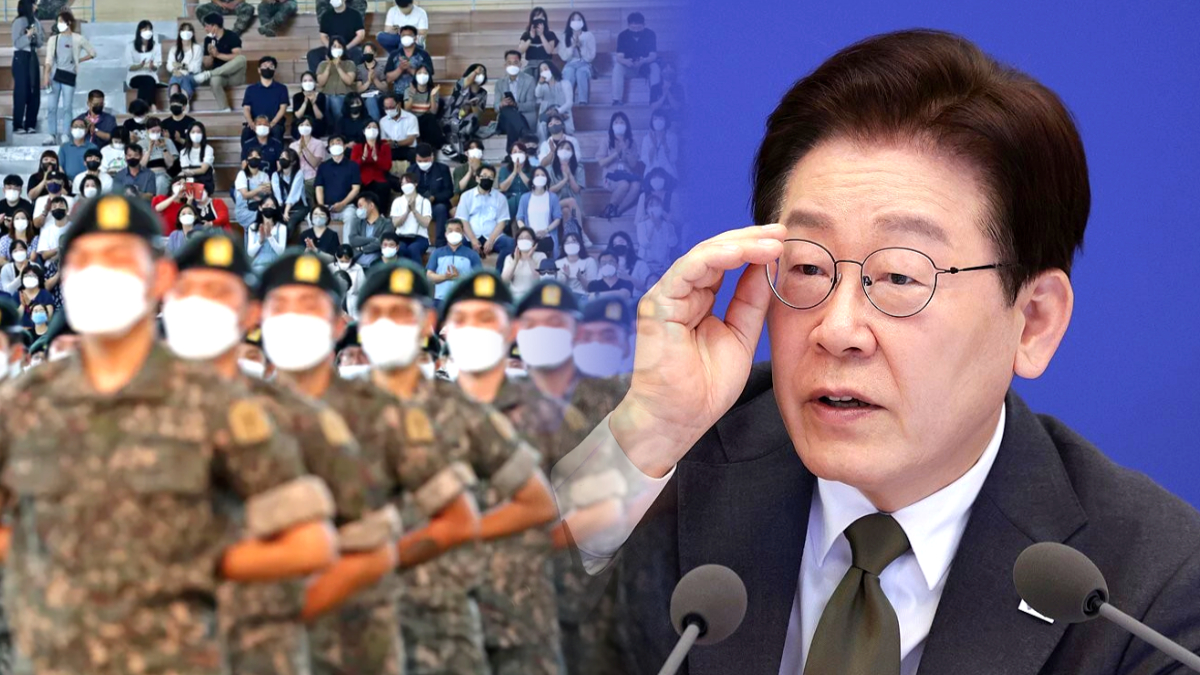
\”Back in our day it was 30 months—can a force trained for 10 months fight a war?\”
President Lee Jae-myung’s proposal for a selective volunteer military system has set off a heated debate among veterans and defense experts.
At a recent meeting of senior commanders, the president urged the armed forces to accelerate defense reform.
The concept gaining traction in media and political circles would keep universal conscription in place while allowing draftees to choose between serving as short-term conscripts for 10 months or enlisting as skill-intensive combat noncommissioned officers for 36 months (three years).
30 months → 18 months → 10 months… A dramatic, unprecedented cut
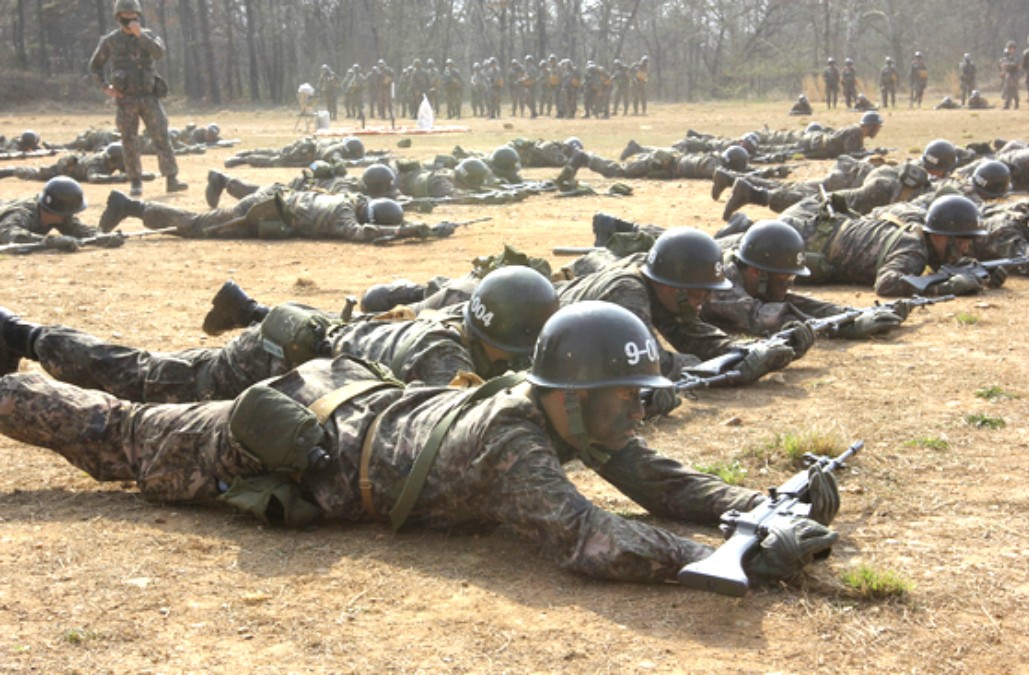
South Korea’s active-duty Army service length stayed at 30 months from 1981 until it was reduced to 26 months in 1991, and has since been shortened incrementally to the current 18 months.
Viewed against that trajectory, cutting service to 10 months would be a sharp rupture, not another incremental step. Ten months leaves very limited time to achieve operational proficiency.
Under the Army model, recruits complete five weeks of basic training before joining their units. After accounting for leave and pre-discharge waiting periods, actual time on field duties would amount to roughly seven months.
Proponents of past reductions argued that modernization of equipment could offset gaps in personnel experience. But even internal research bodies such as the Korea Institute for Defense Analyses (KIDA) have warned that maintaining soldiers’ combat skills is already strained under an 18-month system and have urged concrete remedies.
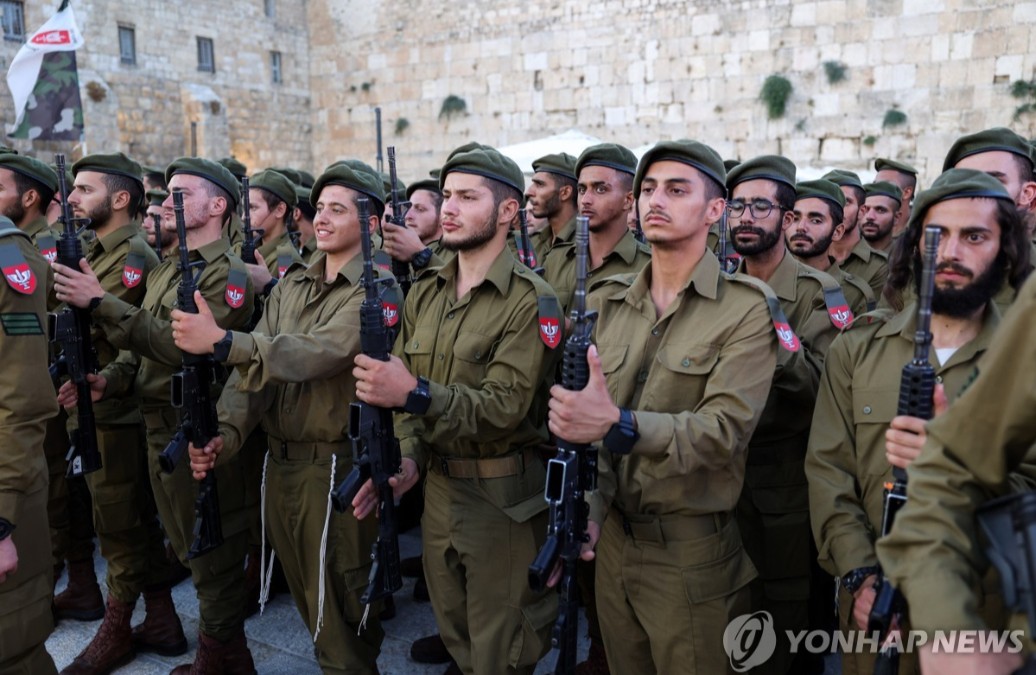
Compared with other conscripted militaries, Korea’s 10-month proposal stands out. Israel, known for its robust defense posture, requires 32 months of service for men (24 months for women), and recent security pressures have even prompted discussion about extending men’s service to 36 months.
Singapore also maintains conscription and requires 24 months of full-time national service. If South Korea’s active-duty term is cut to 10 months, it would be unusually short among major countries that keep the draft.
The real aim is to blunt a ‘manpower cliff’ — lawmakers must address 3‑year combat NCO rules
At its core, the selective volunteer idea is less a service-cutting welfare measure than a structural shift designed to cope with a shrinking pool of available manpower.
Data from the Defense Ministry and the Military Manpower Administration show total forces fell from about 560,000 in 2019 to roughly 450,000 as of July 2025, with Army troop levels already down to the low 200,000s.
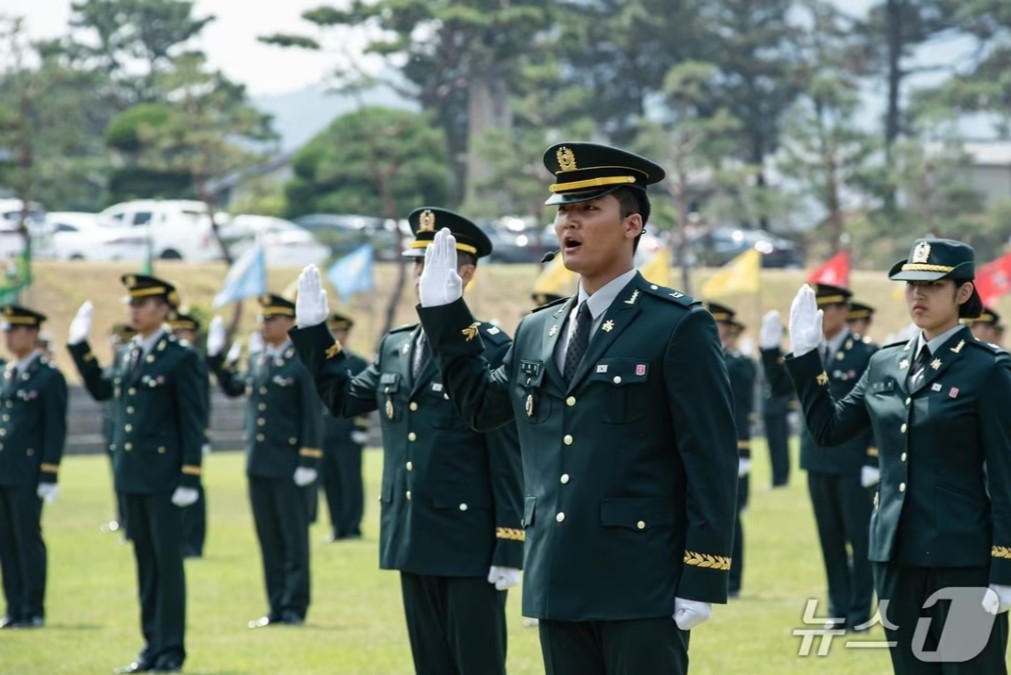
The proposal seeks to offset the low proficiency of ultra-short-term conscripts by placing more capability in the hands of long-serving, career combat NCOs who would serve three years or more—preserving units’ core combat effectiveness.
If implemented, a mix of 10-month draftees and three-year combat NCOs would transform a conscript-heavy force into a cadre-led, more professional military.
But the plan faces legal and political hurdles. Under current military personnel law, the standard compulsory term for short-term NCOs is set at four years. Creating a three-year combat NCO category would therefore require legislative changes and political consensus.
Amid an unavoidable demographic cliff, the success of any defense reform will turn on two critical tasks: boosting the training intensity for 10‑month draftees and ensuring the military can reliably recruit and retain high-quality combat NCOs.






Most Commented