
South Korea’s Military Satellite Network: How the New 5th Reconnaissance Satellite Achieves Information Independence
Daniel Kim Views
Translation result
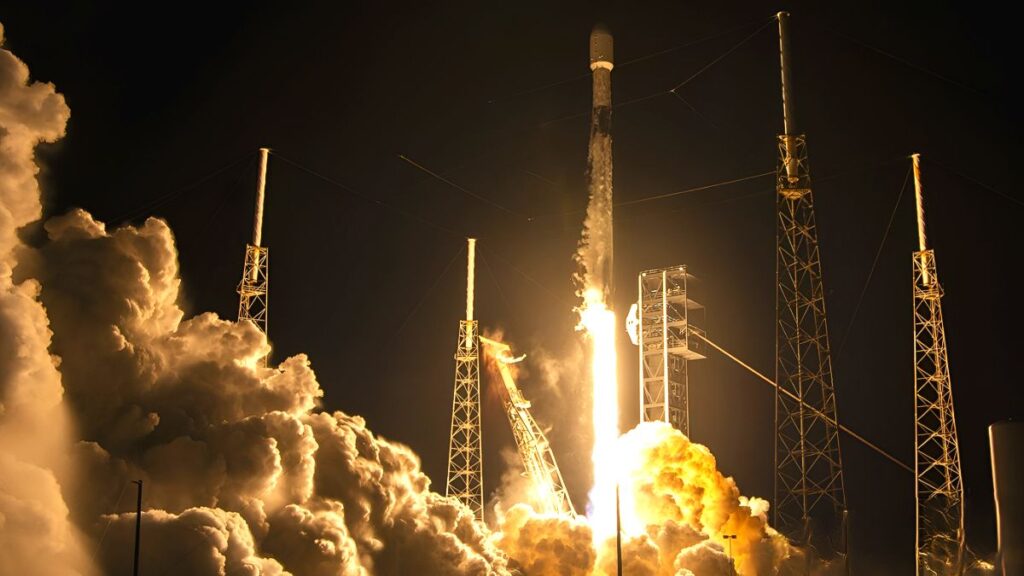
The United States has begun to curtail some satellite intelligence sharing with South Korea, but Seoul’s military says its reconnaissance and precision-surveillance operations remain fully operational.
A government official said on the 28th, \”While the U.S. has partially restricted information sharing, we are executing our missions without interruption by actively leveraging our own satellite assets.\”
Had Seoul remained almost entirely dependent on U.S. reconnaissance assets, the restriction could have created a serious intelligence gap. Instead, the deployment of an independent space surveillance network has put South Korea in a position to assert information self-reliance.
“We don’t borrow anyone else’s eyes” — satellite network finished two months ahead of schedule
That confidence rests on the successful rollout of the military’s core space capability, the 425 Project.
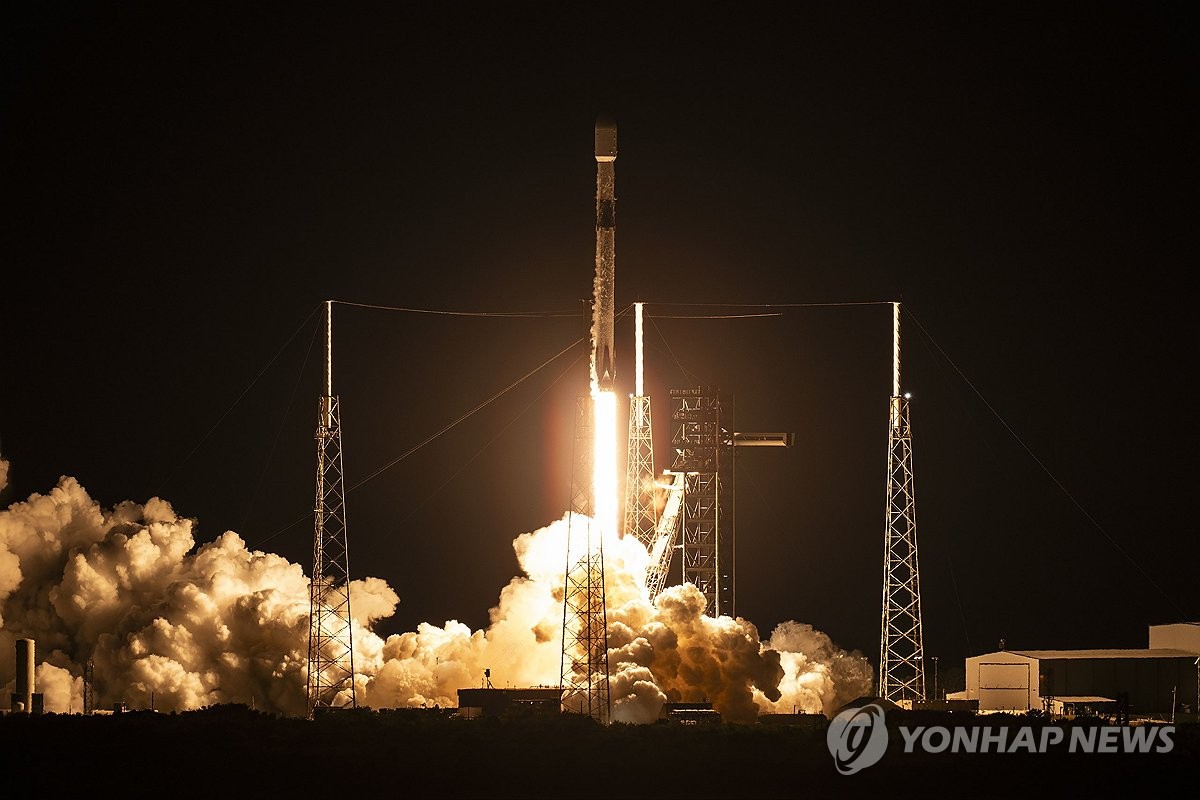
Following the phased launches of reconnaissance satellites 1 through 4 since 2023, the military completed final combat-suitability certification for satellite No.5 — launched last November — and plans to bring it into service this month.
The milestone came a full two months ahead of the original schedule. The five reconnaissance satellites, which combine synthetic-aperture radar (SAR) and electro-optical (EO) sensors, now operate as a fully integrated cluster.
Meanwhile, the ultra-high-resolution observation satellite Arirang-7 — capable of resolving ground objects as small as 30 cm — is slated for operational deployment in July.
Once Arirang-7 is in orbit, with the ability to resolve vehicle license plates and the details of transporter-erector-launchers (TELs), it will pair with the 425 network — which can monitor through severe weather — to deliver continuous, gap-free surveillance of North Korea.
An intelligence-restriction paradox — toward a fully autonomous kill chain
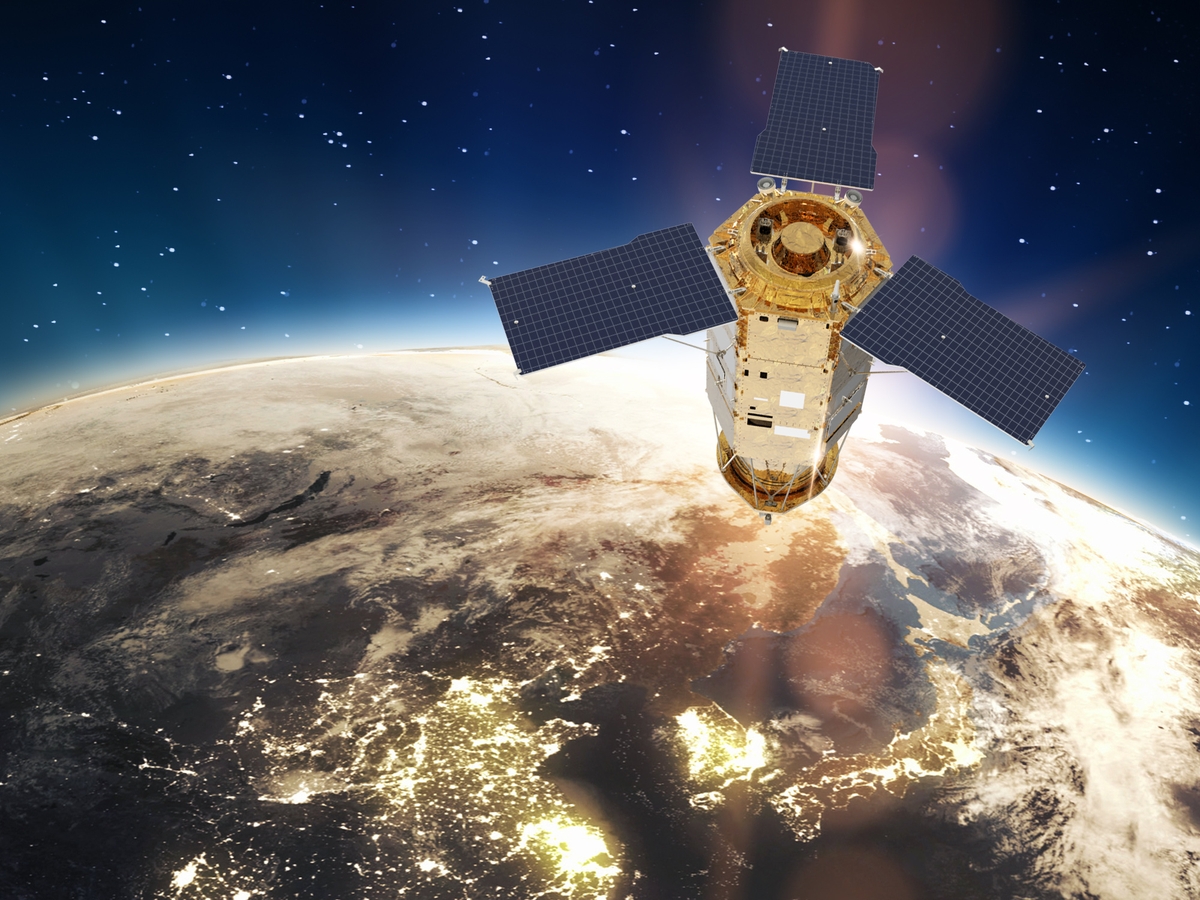
What may appear to be a temporary intelligence hiccup has, strategically, become a catalyst demonstrating the South Korean military’s information independence.
In the past, Seoul relied heavily on U.S. reconnaissance during the target-acquisition phase of the kill chain used to detect North Korea’s nuclear and missile provocations and to enable preemptive strikes.
Now, with five independent reconnaissance satellites and the high-resolution Arirang-7 deployed, the balance has shifted. South Korea can sweep designated areas at short, regular intervals and track North Korean missile movements in near real time.
Seoul’s military no longer depends on allied intelligence sharing or on time lags; it is building a truly autonomous kill chain capable of locating, authorizing and striking targets independently.
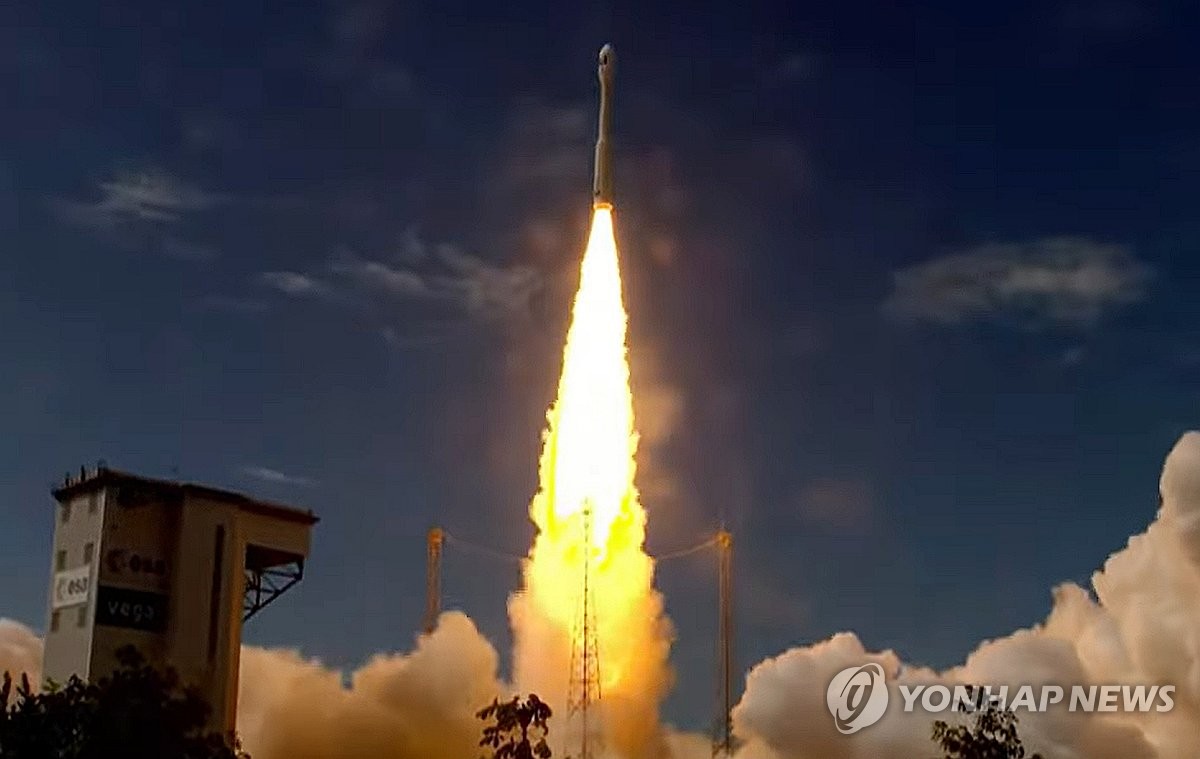
Even amid external intelligence restrictions, an independent space shield is now firmly guarding the skies over the Korean Peninsula.






Most Commented