
Incheon’s $240 Million Cybersecurity Project: What You Need to Know About EV Regulations
Daniel Kim Views
Translation result
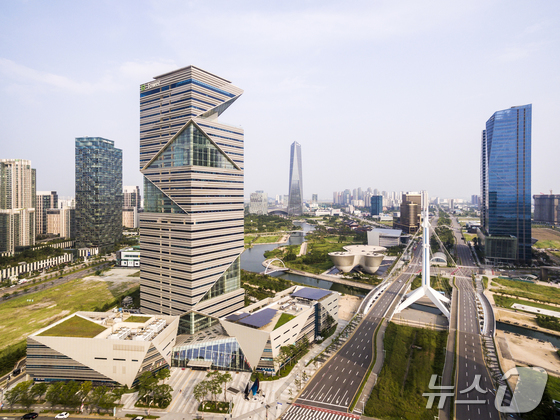
The Incheon Free Economic Zone Authority said on March 18 that it submitted an R&D plan to the Ministry of Trade, Industry and Energy’s competitive grant program for automotive cybersecurity to respond to tightening global regulations.
The effort comes as international rules requiring cybersecurity management across a vehicle’s entire lifecycle (UN R155) take effect, U.S. connected‑vehicle supply‑chain security rules are strengthened, and Korea’s Automobile Management Act is revised — signaling a new phase of global vehicle cybersecurity regulation.
The total project budget is ₩24 billion (₩15 billion central government, ₩9 billion city) and is planned to run for four years from 2026 through 2029. (₩24 billion ≈ $18,000,000; ₩15 billion ≈ $11,250,000; ₩9 billion ≈ $6,750,000.)
If selected, the authority plans to install nine types of test and evaluation equipment at the Connected Car Materials and Components Certification and Evaluation Center in Cheongna Robot Land, Seo‑gu, and to support OEMs and automotive electronics suppliers in building security systems.
In 2021, the authority invested ₩21.3 billion to establish the Connected Car Certification and Evaluation Center. After winning the second‑phase ministry competition, it invested ₩14.8 billion in 2022 to build a wireless communication technology certification and evaluation system equipped with 12 types of test gear. (₩21.3 billion ≈ $15,975,000; ₩14.8 billion ≈ $11,100,000.)
If the third‑phase project is approved, the center will expand its capabilities from infrastructure and wireless testing to include cybersecurity.
The goal is to complete an integrated testing and evaluation support system for future vehicles — covering infrastructure, communications and security — and to position Incheon as a primary hub for automotive cybersecurity.
The Ministry of Trade, Industry and Energy will evaluate submissions next month and announce the results. If selected, the project will proceed after the required administrative steps.
Yoon Baek‑jin, deputy director (acting head) of the Incheon FEZ Authority, said, “We will expand support infrastructure so local companies do not encounter export difficulties as global regulations tighten.”





Most Commented