
Why South Korea’s Prosecutors Are Abandoning Appeals: A Deep Dive into Political Pressure
Daniel Kim Views
|
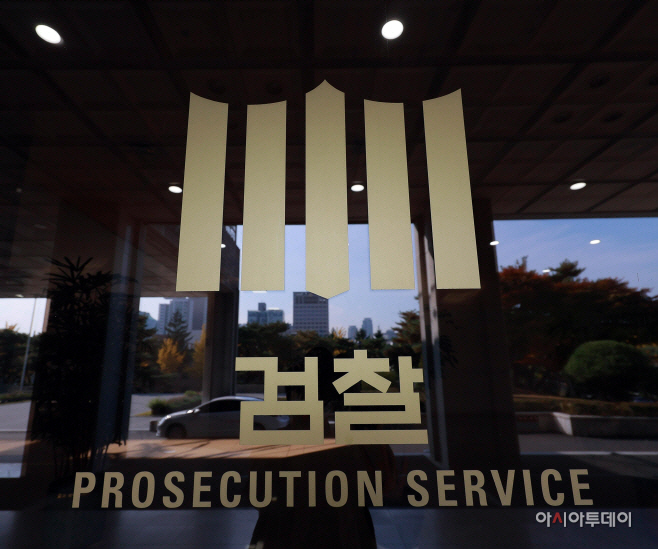
Amid public criticism from President Lee Jae-myung and mounting pressure from the administration and ruling party, prosecutors are increasingly abandoning appeals in major first-instance rulings. Legal experts are voicing concerns that this trend is eroding the political neutrality of investigations and trials.
In November, prosecutors declined to appeal the Daejang-dong development corruption case implicating President Lee. Reports indicate that leadership at the Supreme Prosecutors’ Office overruled the investigation team’s recommendation to appeal, causing internal strife. This decision effectively nullified efforts to recover approximately 780 billion KRW (about 585 million USD) in profits linked to Daejang-dong developers. Prosecutors also opted not to appeal the similar Wirye new town development corruption case.
The pattern of dropping appeals has extended to cases involving the ruling party. In the West Sea officials’ shooting incident, prosecutors filed only a partial appeal against former National Security Office chief Suh Hoon and former Coast Guard Commissioner Kim Hong-hee. In the case of alleged illegal political funding involving former Democratic Party leader Song Young-gil, prosecutors refrained from a final appeal even after an appellate court overturned the initial guilty verdict.
Prosecutors also declined to appeal against current and former Democratic Party lawmakers in the National Assembly fast-track case, citing limited practical benefit despite court sentences differing from their recommendations. They similarly abstained from appealing against People Power Party lawmakers in the same case.
While current law mandates that prosecutors perform their duties independently, recent prosecutorial behavior has markedly deviated from this principle. Analysts suggest that public criticism and political pressure have significantly influenced prosecutors’ decisions to exercise their right to appeal.
In a Cabinet meeting last September, President Lee criticized prosecutors for filing charges on dubious grounds and pursuing appeals even after acquittals, causing undue hardship to citizens. He personally ordered an investigation following a mass walkout of prosecutors during the trial of former Gyeonggi Province deputy governor Lee Hwa-young.
Subsequently, the ruling party proposed legislation to repeal the Prosecutors’ Disciplinary Act, aiming to make prosecutors subject to dismissal like other public officials. Last month, the National Assembly passed an amendment to the Criminal Act, spearheaded by the ruling party, to penalize judges and prosecutors who intentionally misinterpret the law or misjudge facts during trials or investigations.
Furthermore, since late last month, the ruling party has been actively supporting a parliamentary group advocating for the withdrawal of charges against President Lee and pushing for a state investigation. The group alleges that prosecutors fabricated charges against the president and aims to compel prosecutors to withdraw the indictment through a state investigation.
Cha Jin-ah, a professor at Korea University Law School, observed that prosecutors who should be able to conduct investigations and maintain prosecutions based on principle, even at the risk of their careers, are now overly conscious of the administration’s stance. She concluded that this effectively subordinates prosecutorial activities to political power.









Most Commented