
Eom Eun-hyang’s Live Stream: A Lesson in Audience Expectations and Media Responsibility
Daniel Kim Views
Translation result.
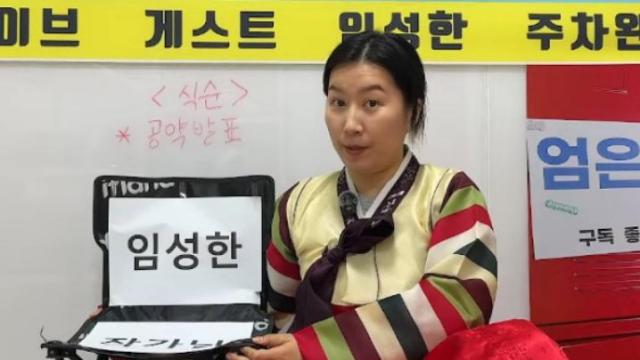
YouTuber Eom Eun-hyang faced sharp criticism after her interview with writer Im Sung-han.
On April 17, Eom marked surpassing 1 million subscribers with a celebratory broadcast that included an interview with Im on her YouTube channel.
In the days leading up to the stream, many viewers expected Im to appear on camera. Instead, the segment was a phone interview, and the outcome drew disappointment and criticism.
Viewers are entitled to feel let down—the show’s format differed from what they anticipated. But disappointment is not the same as deception. If Eom never explicitly promised that Im would show his face, calling her a fraud is a logical leap.
Eom’s account—that she never said his face would be shown—is consistent with the facts. She says Im’s team initially proposed a recorded segment and later suggested a phone interview rather than a live, on-camera appearance. Even the April 7 live-stream notice listed only “guest: writer Im Sung-han,” without promising a visual appearance.
As Eom herself acknowledged, she did court attention—what some describe as “aggro,” or deliberately provocative content. But the press also bears responsibility: media outlets and platforms amplified the bait in a rush to chase headlines. We should not single out creators’ exaggerated staging while ignoring the click-driven systems that packaged and magnified it.
YouTube is built to seize attention. Thumbnails, titles, teasers and the urgency of live broadcasts are part of the content. So when Eom says she was doing what her job requires as a YouTuber, it’s not an empty excuse. That said, not all attention-seeking is defensible; if she deliberately inflated expectations, she deserves criticism.
In that respect, the live show’s production crossed a line. A chair labeled with Im’s name was placed on set, which reasonably led viewers to expect an in-person appearance. Eom did not deny this: afterward she described herself as someone who likes to provoke attention and called the day “a failed one.”

Such reflection and apology are far from shirking responsibility. Some may dismiss it as an excuse, but acknowledging mistakes—saying you were inexperienced or that you failed—can be a mature way for a creator who suddenly receives intense attention to address a misstep. She accepted the error and explained the disappointing result.
The real question is different: did Im’s face have to appear for the interview to matter? Im has long avoided media exposure; his mystique has fueled public curiosity and made the conversation newsworthy. The interview did not lose its value simply because he remained off-camera. Hearing his voice and his account still carried substantive content.

What feels stranger is how many consumers placed more value on Im’s face than on his words. Viewers can reasonably expect to see a guest, but if a creator never guaranteed that visual, calling the outcome “fraud” or “deceptive” simply because expectations were unmet is excessive.
As viewers have pointed out, Eom’s broadcast was imperfect: the staging was overdone, the hosting faltered, and she mishandled expectations. But a flawed broadcast is not the same as a deceitful one. The core issue behind this backlash isn’t that Eom lied; it’s the attention-driven grammar of YouTube and a media ecosystem that repackages and sensationalizes inflated expectations.





Most Commented