
Unlocking Kyoto’s Hidden Meanings: 4 Tips to Decode the City’s Unique Communication Style
Daniel Kim Views
Translation result.

Kyoto—where a thousand years of history meet modern charm—is a must-stop on many Japan itineraries. But behind its serene beauty lies a local way of speaking that outsiders often can’t decode. Locals call it the height of politeness—or a friendliness that can feel strangely intimidating.
At heart, Kyoto speech cushions comments to avoid hurting feelings. Even savvy travelers can miss the hidden meaning. To help you enjoy Kyoto on a deeper level, here are four ways to read the real messages hiding behind that polite smile.
How about a bowl of ochazuke?
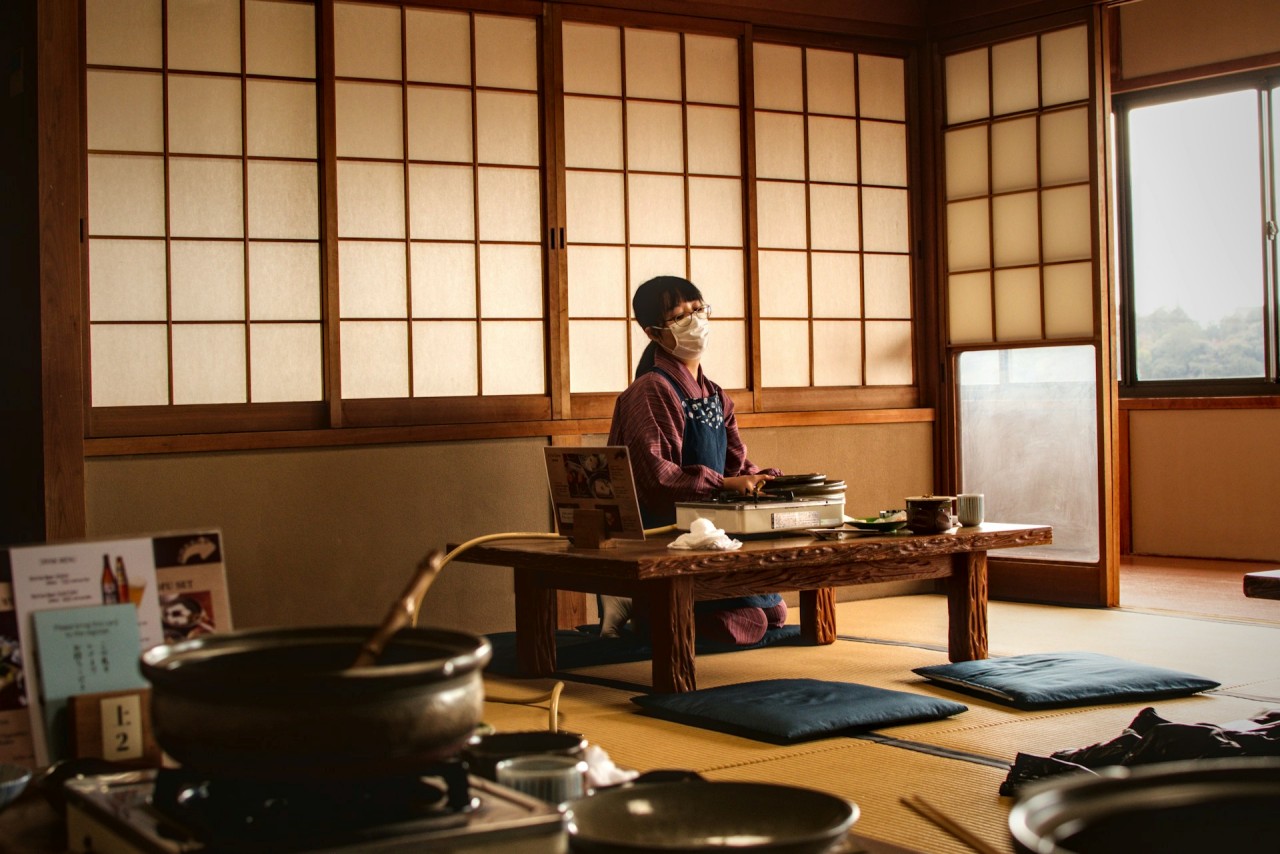
One of the most famous examples is the offer of ochazuke—rice soaked in green tea. If you’re visiting a friend or stopping by someone’s shop and the host says, “Would you like a bowl of ochazuke?” they aren’t asking whether you’re hungry. The real meaning is a polite hint to leave: “Would you please go now?”
Kyoto locals avoid bluntness. By mentioning ochazuke—the final ritual of a meal—they signal that the hosting is over.
If you reply without catching the hint—“Yes, that sounds great!” and sit back down— they’ll likely smile and bring the bowl, but inside they’ll be flustered. The smoothest Kyoto-style response is to stand and say, “Oh, it’s already late—excuse me,” and make your exit.
Your child is so energetic!
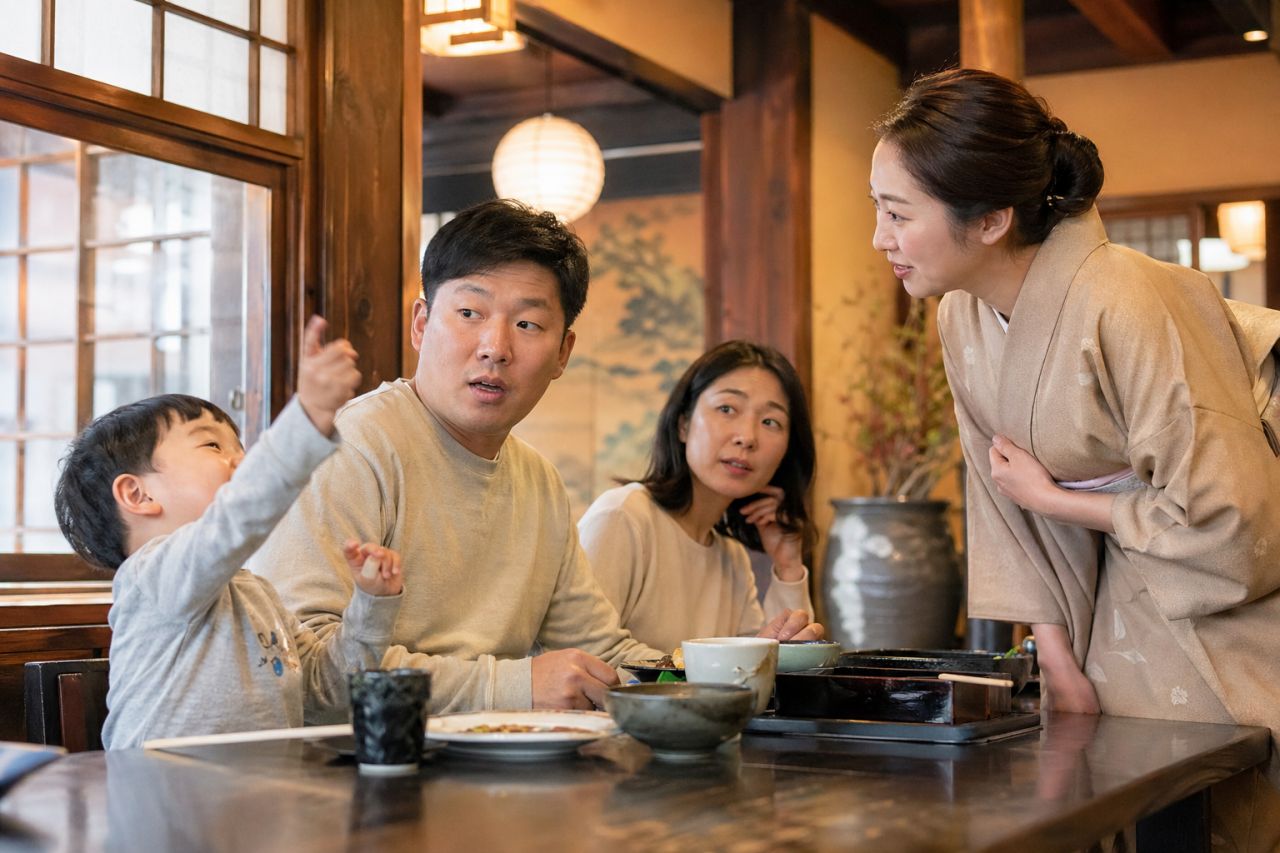
If kids are noisy in a restaurant or public space and a Kyoto local leans over with a smile and says, “Your child is so energetic (genki desu ne)!” you might take it as praise. In Kyoto, however, that’s often a polite complaint: “Your child is too loud—please quiet them.”
Kyoto people consider directly pointing out someone’s rudeness impolite. So they borrow positive words to express discomfort indirectly. A remark like “I can hear the piano very well” can mean, “The piano practice is too noisy—please be mindful.” If you hear oddly phrased compliments in Kyoto, quietly check your surroundings.
That’s a nice watch you’re wearing
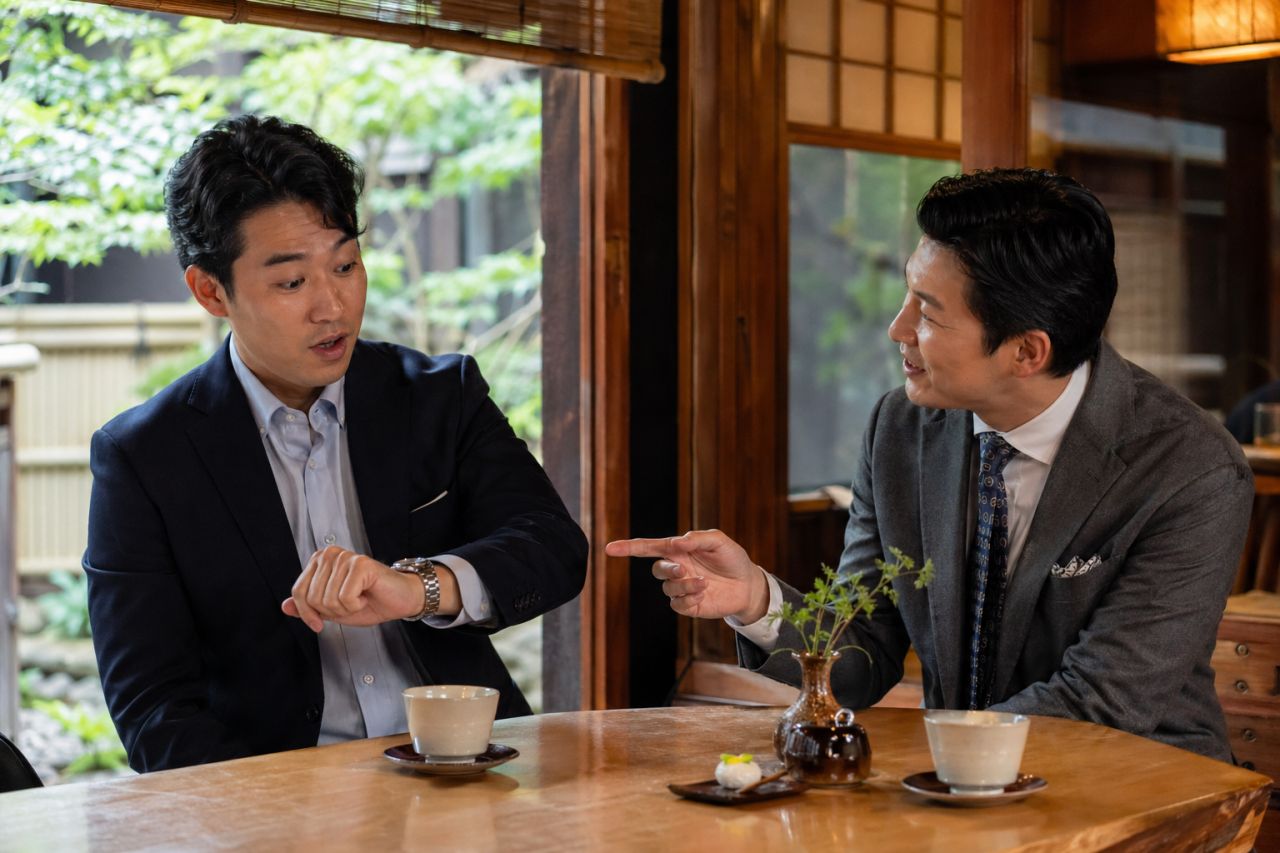
If someone in a business meeting suddenly glances at your wrist and says, “That’s a nice watch you’re wearing,” they usually aren’t complimenting your taste. The underlying message can be: “You’re looking at your watch, so you must know time’s passing—we’ve been talking too long.”
A Kyoto trait is drawing attention to an unrelated object to nudge the conversation forward. Mentioning a watch is a very polite way to signal, “Let’s start wrapping up.”
When you get that cue, it’s best to close things gracefully: “Oh—look at the time. I have another appointment, so I’ll excuse myself,” and then stand to end the meeting.
I’ll think it over
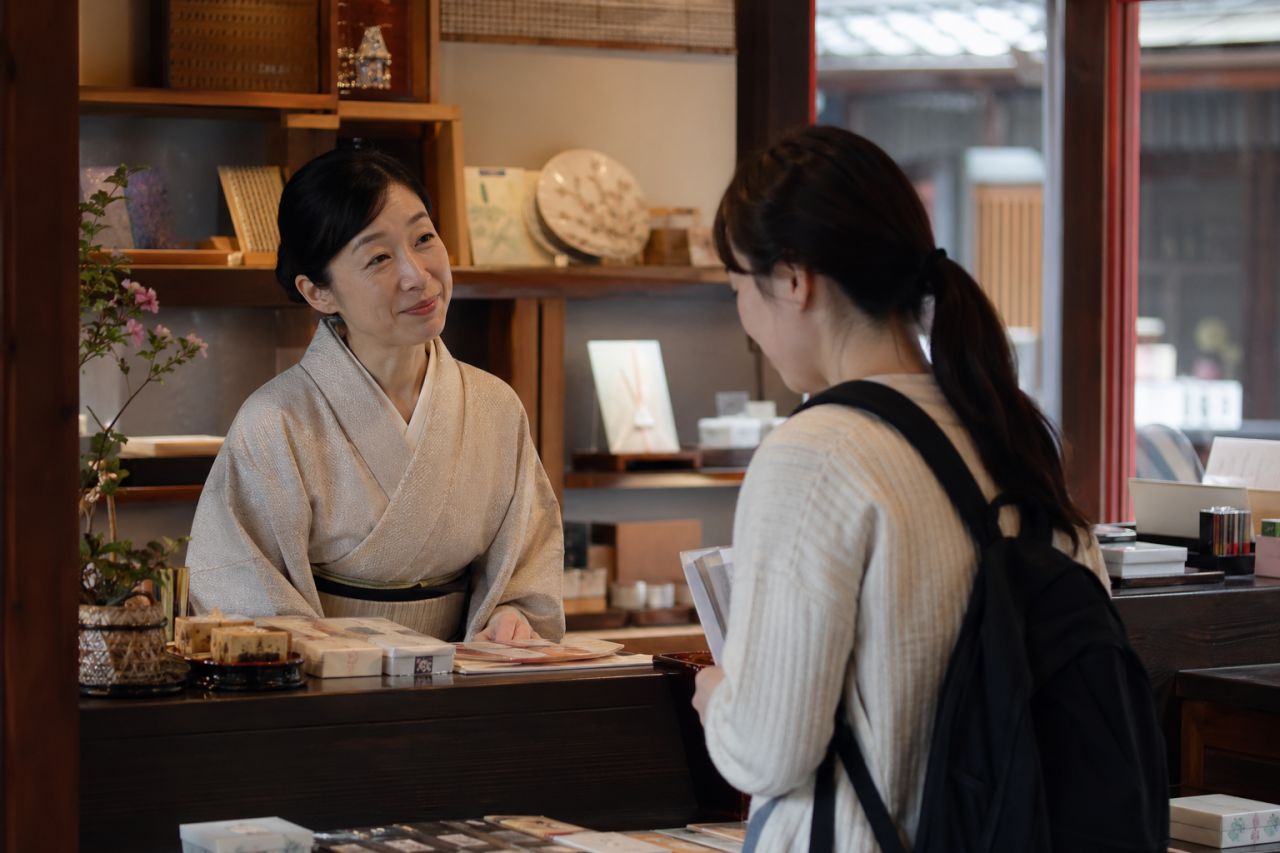
People often say Japanese generally avoid direct refusals, and Kyoto takes that tendency further. If someone answers a suggestion with “That’s a great idea. I’ll think about it positively,” they usually mean “no”—about 99% of the time. The more flowery the lead-in—“That’s such a fresh perspective I hadn’t considered”—the stronger the implied rejection.
This isn’t because the suggestion is bad; it’s about saving face. Rather than bluntly say “no” and embarrass someone, they say “I’ll consider it,” which in practice marks the end of the discussion.
If a shop clerk uses that phrasing while you’re shopping or requesting a service in Kyoto, don’t push it—both sides will be more comfortable if you let it go.
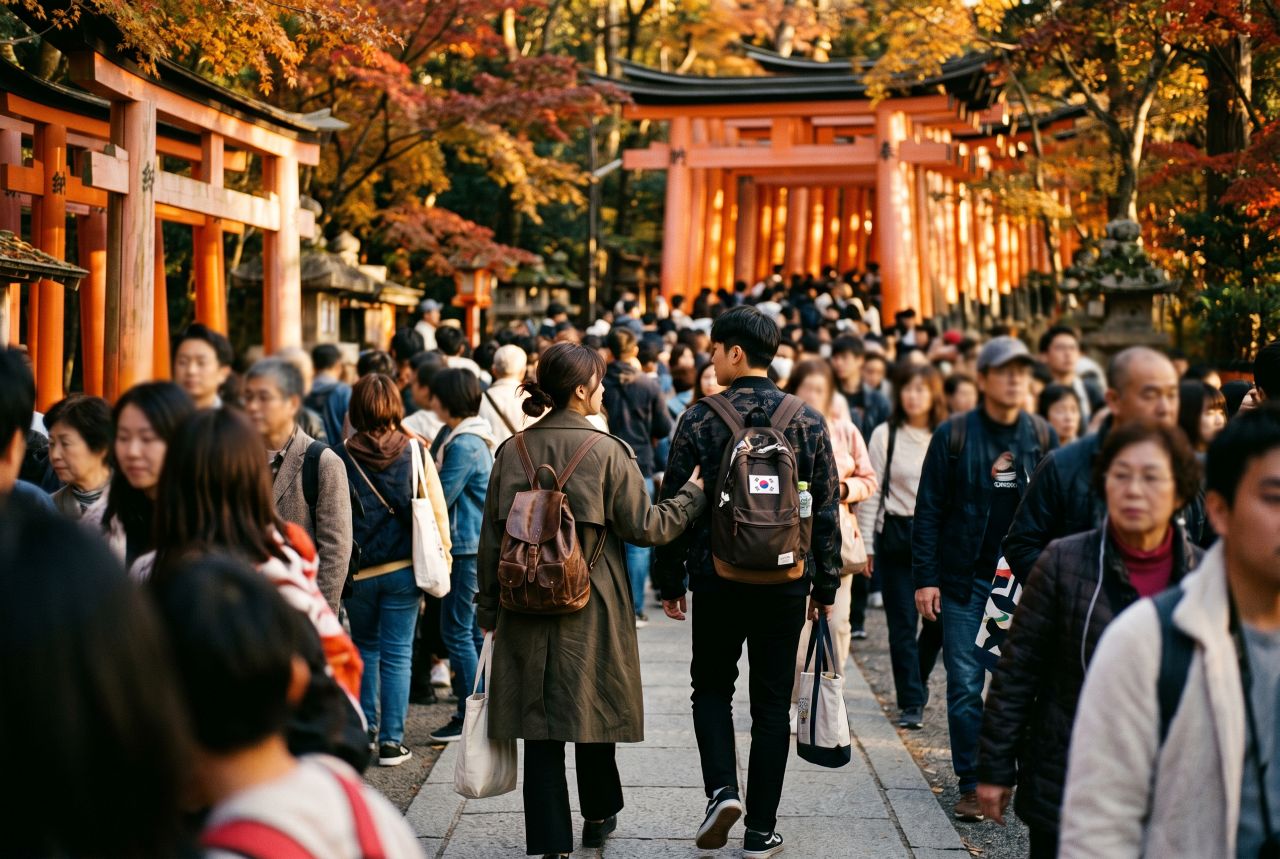
Kyoto-style speech can feel tiring, but it’s rooted in a long tradition of preserving harmony and respecting personal space. Younger locals are more direct than older generations, but the city’s gentle, metaphor-rich etiquette still lingers everywhere.
On your Kyoto trip, if someone offers over-the-top kindness or an oddly timed compliment, play a little detective. Figuring out what that smile might really mean can add a playful, memorable layer to your travels.










Most Commented