

For South Koreans who can’t resist a European getaway, the continent has long felt open and easy to explore. Thanks to the Schengen Agreement, visitors could stay up to 90 days without a visa. But with rising terror threats, growing concerns about illegal migration, and a push to tighten border management, the European Union is rolling out a new security measure.
ETIAS will require travelers from visa-exempt countries to get online pre-authorization before entering Europe. Think of it like the U.S. ESTA or South Korea’s K-ETA—a quick digital checkpoint before you fly.
ETIAS

ETIAS stands for the European Travel Information and Authorization System. Its goal is simple: screen visitor data in advance and filter out security risks before travelers arrive at EU borders.
By 2026, the EES (Entry/Exit System) already handles on-site checks. ETIAS will act as a digital sieve before departure—cutting queue times at passport control and boosting safety across the EU. Officials call it a win-win for both travelers and authorities.
Eligible countries and application fee
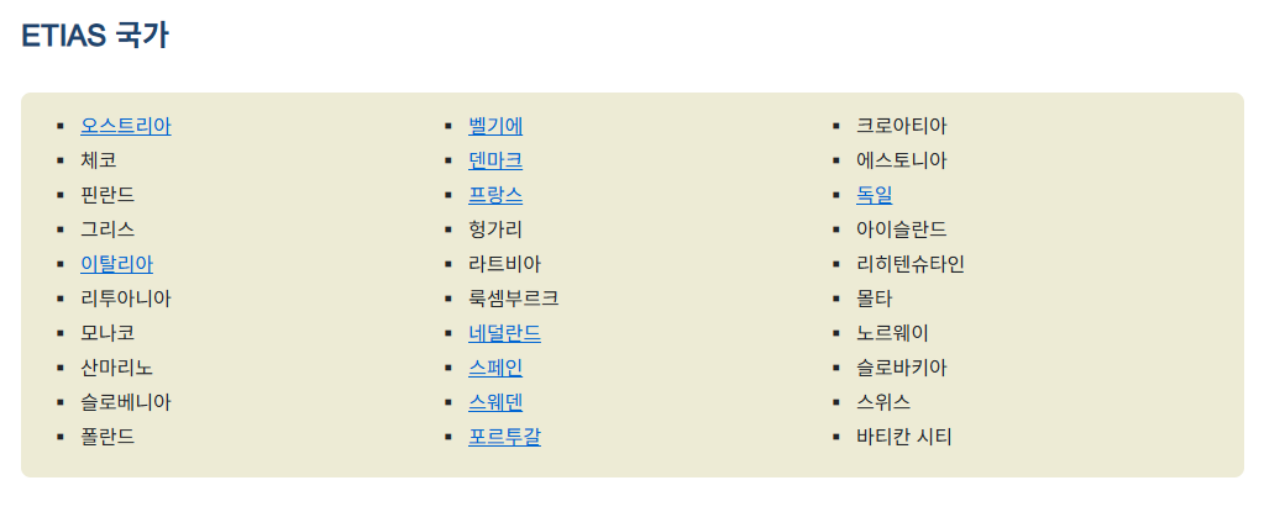
ETIAS will apply to roughly 60 countries whose citizens previously entered the EU visa-free—including South Korea. The application is straightforward: use the official ETIAS website or app and enter basic details like passport information, job, health status, and any criminal history. The fee is €7 (about $7.49 or 10,000 KRW). Travelers under 18 and those 70 and older are exempt.
Once approved, authorization is valid for up to three years and allows multiple short stays across Europe during that period. So while it’s an extra step, the fee and process aren’t designed to be a heavy burden—just another item on your travel checklist.
Application tips and validity
Before you apply, check your passport’s expiration date. Even though ETIAS is valid for three years, the authorization ends if your passport expires first. Most applications are approved automatically within minutes, but some require extra checks and can take up to 30 days.
We recommend applying at least 96 hours before departure. If you only discover at the airport that you lack authorization, your trip could be denied on the spot.
When will it start?

The big question: when does ETIAS take effect? Officials say ETIAS will begin full operation in the second half of 2026—likely sometime in Q4, between October and December. If you’re traveling this May or planning a summer trip, you can still fly with just your passport for now.
Authorities expect a roughly six-month grace period after launch. During that time, travelers who arrive without authorization may be allowed entry and given guidance on the new system, with a prompt to apply before their next visit.
If your trip is scheduled for late 2026 or early 2027, get your authorization as soon as ETIAS goes live. Early rollouts can bring server hiccups or approval delays, so apply early and avoid last-minute stress. Bookmark the official ETIAS site when you book your flight—consider it part of your travel routine.
When ETIAS fully launches in Q4 2026, there may be initial glitches or confusion. But in the long run, this change means faster border lines and safer travel. Think of the €7 fee (about $7.49 or 10,000 KRW) as paying for speed and peace of mind. Know the new rules ahead of time, and you’ll be free to soak up the Iberian sun or hit the Alps without unpleasant surprises.










Most Commented