
The Rise of Budget-Friendly Full-Option EVs: How Kia Ray EV and Casper Electric Are Redefining Mobility
Daniel Kim Views
The benchmark for a first car is shifting. Rather than stretching into a larger segment, drivers in their 20s and 30s are increasingly choosing compact electric vehicles that prioritize practicality and convenience.
Instead of buying to impress, young buyers are making strategic use of subsidies to drive off the lot in fully equipped compact EVs.
Swapping internal-combustion engines for batteries in city cars has done more than change drivetrains — it has reshaped the lifestyle choices of younger drivers.
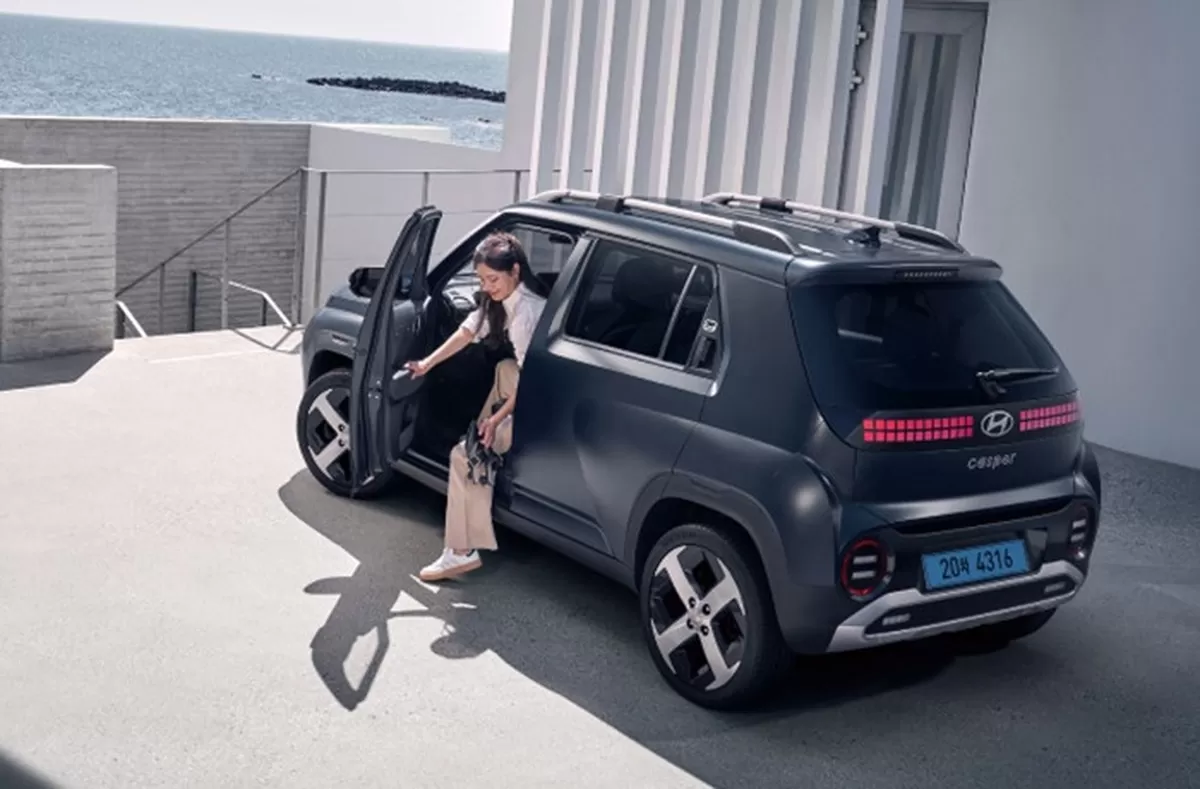
The shift is visible in the sales figures.
In 2025, when high interest rates and cuts to subsidies pushed EV demand into a deep slump, Kia’s Ray EV sold 9,270 units and finished sixth in domestic EV sales, while Hyundai’s Casper Electric sold 8,519 units and placed eighth.
Unlike mid- and large-size EVs, which lean heavily on corporate and taxi purchases, these compact EVs are overwhelmingly purchased by individual buyers in their 20s and 30s.
Young buyers who once eyed used sedans or base-trim compact SUVs have effectively created a compact EV market totaling roughly 18,000 units.
The main draw is that the threshold for a fully loaded model has fallen dramatically. After EV subsidies and tax incentives, the real-world price gap between the base and top trims shrinks to about 2,500,000 KRW (roughly $1,875).
For a price in the low-to-mid 20 million KRW range — about 20–25 million KRW (approximately $15,000–$18,750) — buyers can get premium features such as 3D surround view, adaptive cruise control, and ventilated front seats that used to be reserved for larger vehicles.
Compact cabins but uncompromising equipment: these models land squarely with 20- and 30-somethings who won’t settle on options.
Their leisure utility also outpaces what internal-combustion microcars offered. Even without elaborate auto-camping setups, compact EVs are ideal for weekend outings, casual “car picnics,” or minimalist car camping.
Hyundai lengthened the Casper Electric’s wheelbase compared with the ICE model to improve occupant space, and the front seats fold flat to open up ample room.
Add V2L (vehicle-to-load), which supplies 220V power outside the vehicle, and you can run the climate control without the engine, plug in a laptop or a coffee maker, and create a comfortable resting spot.
In short, compact EVs have shed the old “cheap transportation” label. They’ve evolved into smart devices that pack advanced IT and high-end features into an affordable package.

For today’s younger buyers, who refuse to sacrifice quality of life despite economic pressure, a fully loaded compact EV is often a smarter, more appealing choice than a flashier vehicle.






Most Commented