
Translation result
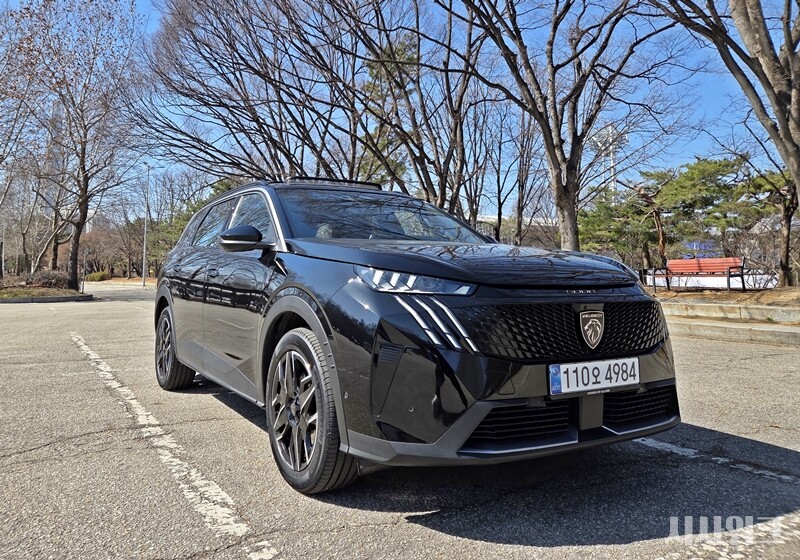
SisaWeek — Je Gal-min Peugeot’s flagship 5008 SUV has arrived in Korea with a complete redesign. The model receives its first full overhaul in a decade, sharpening its exterior lines and replacing the dated cabin with a thoroughly modern interior. Still, a few shortcomings remain.
The redesigned 5008 hits you immediately with presence. The front end embraces Peugeot’s latest design language: three claw-like daytime running lights combined with a larger grille deliver a more aggressive stance. For the first time on the 5008, Peugeot applies its shield-shaped emblem, and the headlamp geometry is cleaner and more refined than before.
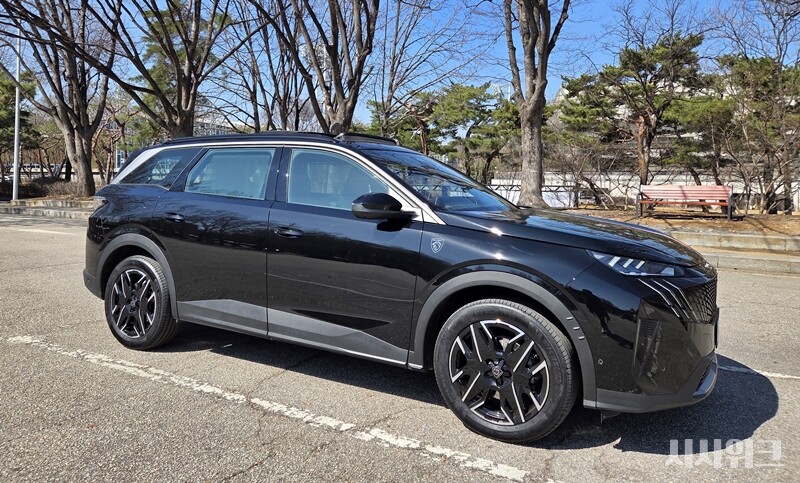
The proportions emphasize a true SUV profile. The prior-generation 5008 leaned toward MPV territory — think Chevrolet Orlando — whereas the new model reads unmistakably SUV.
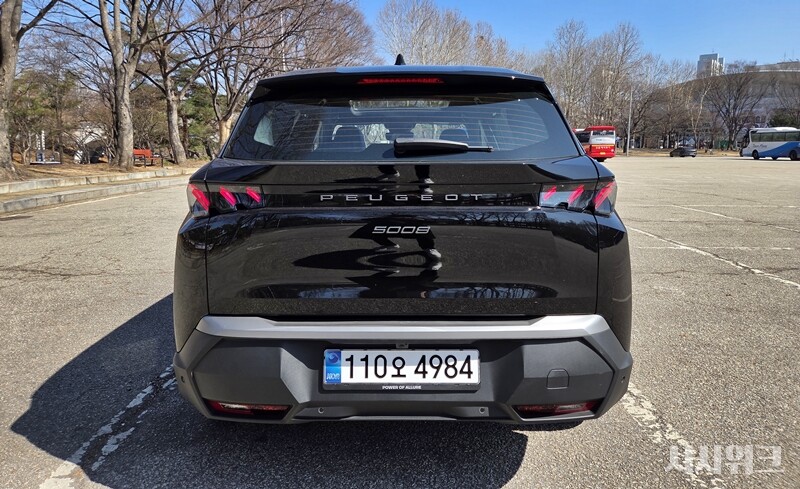
At the rear, Peugeot sharpens the taillights with a more sculpted, three-dimensional treatment and stretches the brand name across the trunk between the lamps. The license plate moves down from the tailgate to the rear bumper, lending a cleaner look. That plate relocation raises the bumper slightly and further reinforces the vehicle’s SUV character.
The 5008 has grown in nearly every dimension. Length is 4,810 mm, width 1,875 mm, height 1,705 mm, and wheelbase 2,900 mm. Versus the outgoing model, it’s 160 mm longer, 30 mm wider, 55 mm taller and has a 60 mm longer wheelbase. Among imported mid-size SUVs, it now outstretches the BMW X3 and Audi Q5 in overall length and wheelbase. Against domestic rivals, its length is on par with the Kia Sorento, and its wheelbase exceeds the Sorento’s by 85 mm.
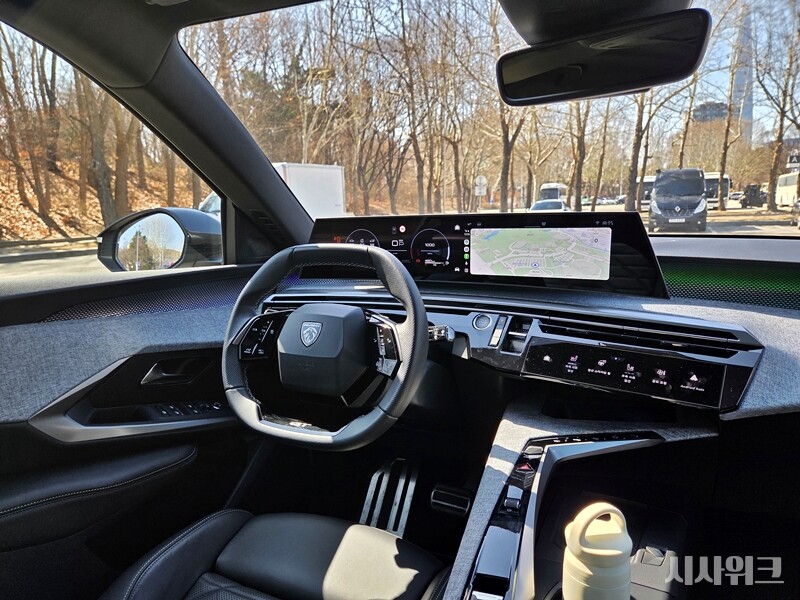
Inside, Peugeot continues its distinct, design-forward approach. The signature i-Cockpit puts the driver front and center: a small steering wheel, a high-mounted digital instrument cluster and a curved panoramic display create a futuristic, driver-focused environment. The shift toward digital controls means many physical toggle switches are gone — a loss some users will notice.
Front-cabin practicality improves with multiple storage solutions. Beneath the left dash vent are two card slots — a familiar Peugeot detail — handy for a fuel card or loyalty pass. I found that small feature particularly useful in everyday use.
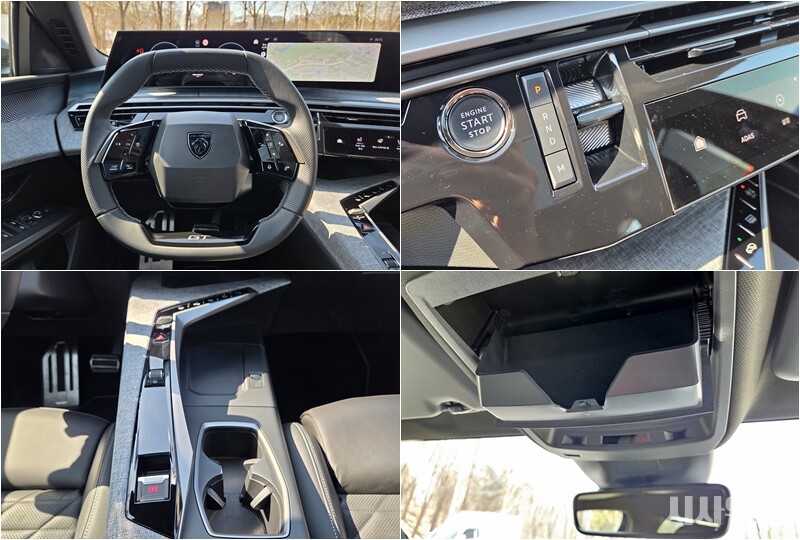
Peugeot also fits a sunglasses holder near the sunroof controls and front cabin lights — a welcome small touch in an era when some rivals omit that feature. Below the main display sits a wireless phone charging pad, and under that a covered, generous storage bin.
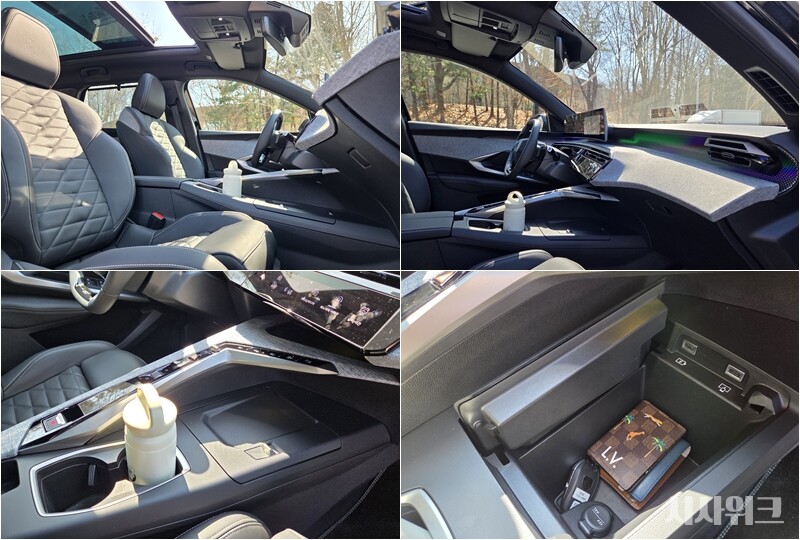
The center console between the front seats offers ample capacity. The console box even vents cool air — useful for chilling canned drinks before opening. The cupholders accommodate two drinks comfortably.
The second row delivers generous legroom. The rear seats sit slightly higher than the fronts but don’t feel cramped. A wide panoramic sunroof increases headroom and openness, and manual sunshades on the rear doors prove practical.
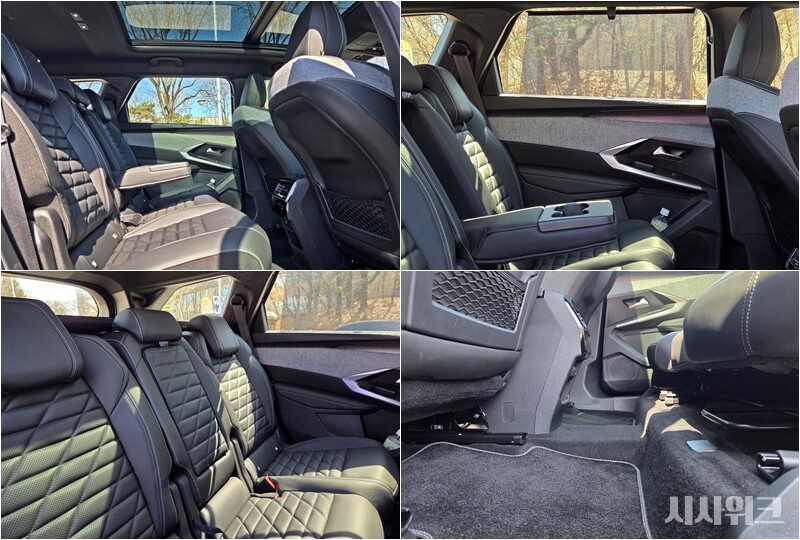
Heated rear seats are a nice inclusion. The second-row seats split and fold in sections, and you can slide them fore and aft via a lever under the seat. The center cupholders fold out from the middle seatback and perform adequately. One gripe: accessing the center armrest/cupholder requires digging a finger into the seat gap and pulling the back forward — a small leather or fabric pull tab would ease operation.
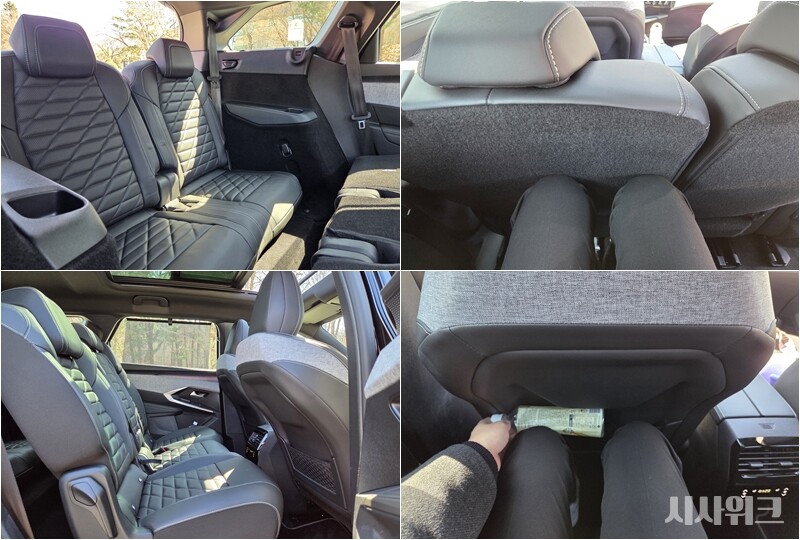
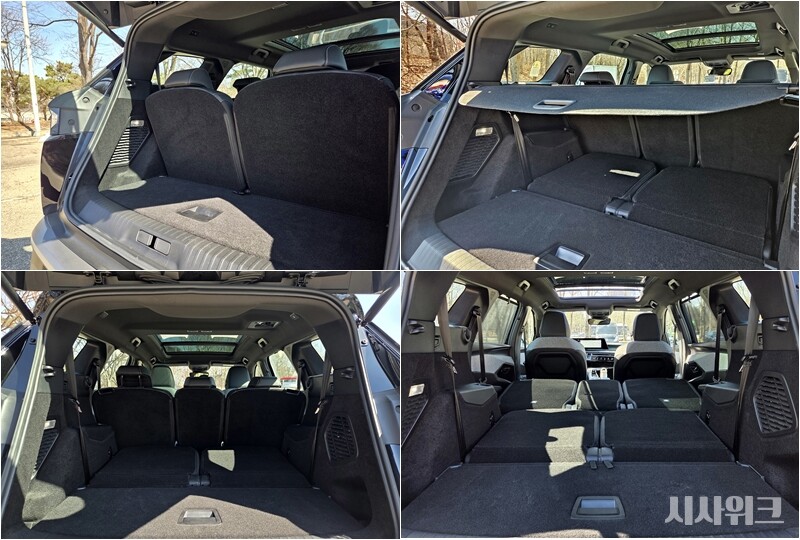
The third row remains, but legroom is limited. A 180 cm adult needs the second row slid fully forward to fit into the third row, and knees will press the back of the second-row seats, making long trips uncomfortable. With the second row pushed forward, the remaining space between the second-row passenger’s knees and the front seatback barely fits a 500 mL bottle. If you plan to carry six adults, expect compromises in comfort for rear occupants.
Other interior disappointments persist. For a flagship, the front seats lack ventilation — a recurring omission in Peugeot test cars. Adding ventilated seats would likely resonate with buyers, but they’re not available here.
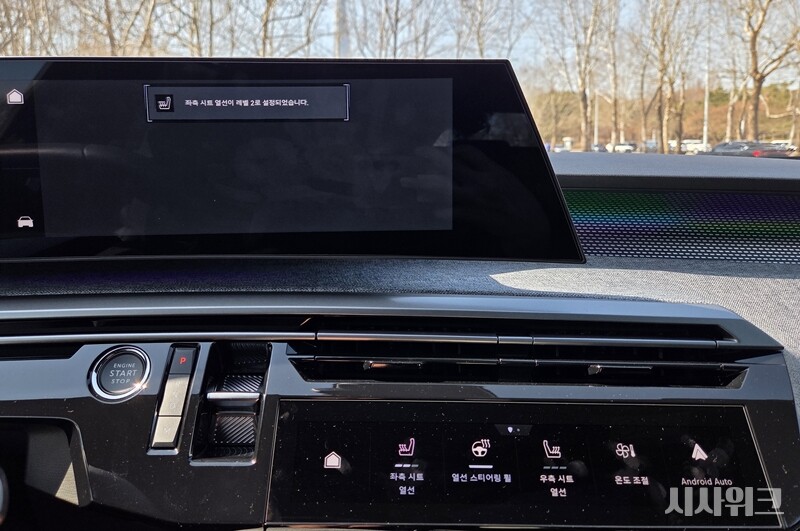
The gear selector sits next to the dashboard start/stop button — a placement some will like and others won’t. The wireless charging pad under the touchscreen can be slow and, in some cases, appears to drain certain phones; a wired charger is more reliable. Activating seat or steering-wheel heating blanks the main display and shows a “heating active” notice — an unwanted distraction while driving. Also, the hood uses a manual prop rod rather than gas struts; for a flagship, the absence of hood gas lifters is disappointing.
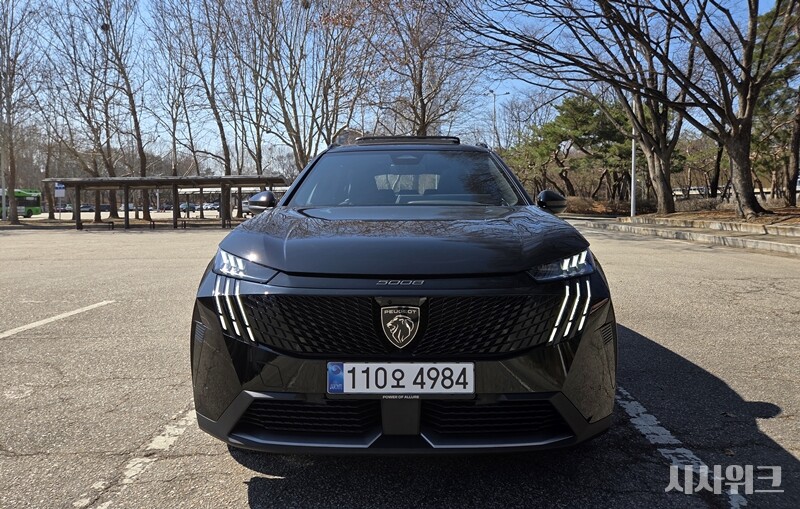
Driving dynamics show mixed results.
The ride favors comfort, making the 5008 well suited to long trips. Steering is light and smooth, which helps in urban settings. But acceleration is less brisk than some rivals; given the vehicle’s size and curb weight (1,780 kg), the powertrain doesn’t feel especially robust.
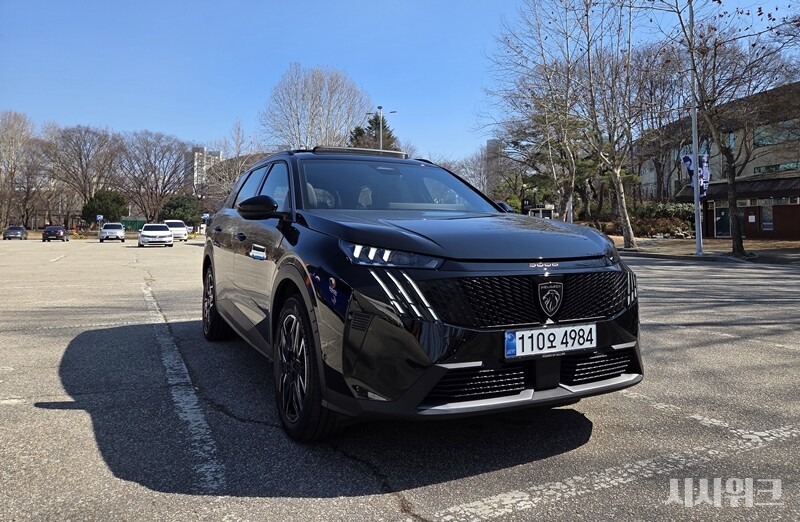
The drivetrain pairs a 1.2 L inline-three turbo engine with an electric motor, a 48V 0.9 kWh lithium-ion battery and a dual-clutch transmission for a combined output around 145 hp. Torque from the engine and motor is listed at 23.5 kg·m and 5.2 kg·m, respectively. Versus competing mid-size SUVs, those numbers feel modest — a fact that’s prompted buyers to joke the car has “a lion’s body with a cat’s heart.”
Still, the 5008 handles everyday driving competently: it builds speed when required and responds predictably. At sustained highway speeds or during decisive overtakes, though, more power would be welcome. Drive modes include Eco, Normal and Sport, but differences are subtle; Sport mode helps reduce the feeling of sluggishness in daily driving.
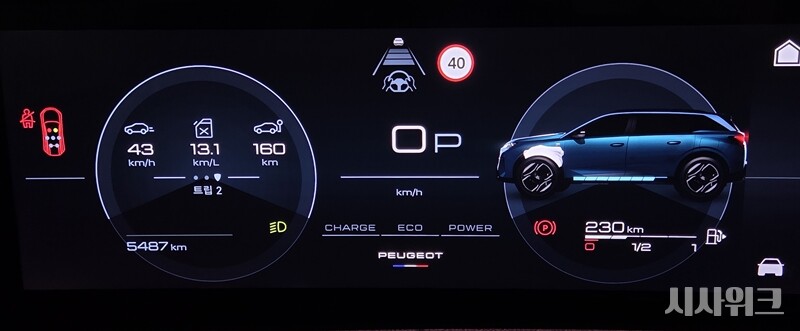
On fuel economy, I averaged about 13 km/L over more than 160 km of mixed urban and expressway driving. Heavy acceleration and braking dropped consumption below 10 km/L, but under normal driving conditions you should expect roughly the reported figure or better.
The new Peugeot 5008’s chief strengths are its design and packaging. Exterior and interior execution stand out within the segment, making the car especially appealing to buyers who prioritize style.
The optional third row is a practical plus despite its tight dimensions: use it when needed or fold it for conventional five-seat operation. Thanks to the long body and extended wheelbase, cargo space is generous with the third row folded, and folding the second row as well yields a large, flat load floor.



Most Commented