
Translation result.
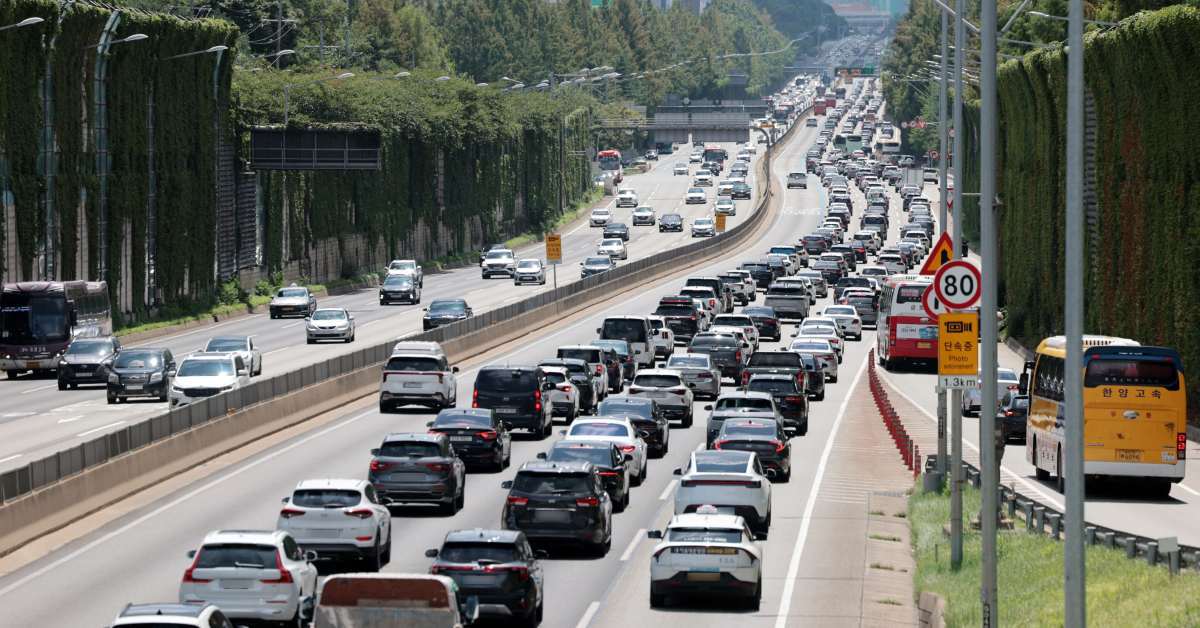
May 3 — the third day of the long holiday that links Labor Day and Children’s Day — is expected to see heavier-than-usual traffic nationwide.
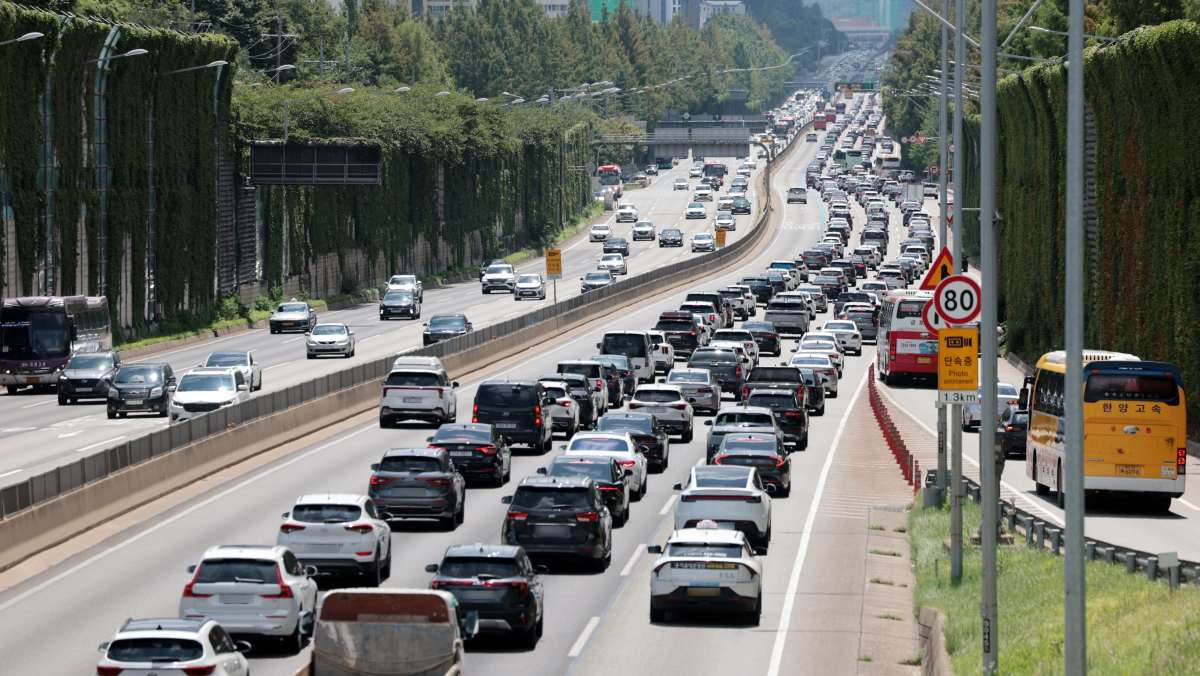
The Korea Expressway Corporation estimates about 5.42 million vehicle trips on the nation’s highways that day. Roughly 430,000 vehicles are expected to enter the Seoul metropolitan area from the provinces, while about 410,000 are expected to leave the metro area for the provinces.
Traffic congestion is likely to be concentrated toward Seoul, with outbound routes moderately busy. The heaviest delays toward Seoul are expected on the Yeongdong Expressway and the Seohaean (West Coast) Expressway.
Officials say northbound congestion toward Seoul will begin between 9 and 10 a.m., peak around 4–5 p.m., and ease by late evening, around 11 p.m. to midnight.
On outbound routes, delays are expected to start between 7 and 8 a.m., crest between 11 a.m. and noon, and clear by 6–7 p.m.
As of about 9:03 a.m., traffic was backed up for roughly 2 km on the Seohaean Expressway from near the Gunsan rest stop to the Dongseocheon junction.
As of 10 a.m. at the toll plazas, estimated travel times to Seoul on northbound routes are: Busan→Seoul, 7 hours 10 minutes; Daegu→Seoul, 6 hours 10 minutes; Gwangju→Seoul, 5 hours 40 minutes; Daejeon→Seoul, 1 hour 50 minutes; Gangneung→Seoul, 4 hours 20 minutes; Ulsan→Seoul, 6 hours 50 minutes; Mokpo→West Seoul, 6 hours 50 minutes.
Estimated southbound times from Seoul are: Seoul→Busan, 5 hours 20 minutes; Seoul→Daegu, 4 hours 20 minutes; Seoul→Gwangju, 3 hours 50 minutes; Seoul→Daejeon, 1 hour 50 minutes; Seoul→Gangneung, 3 hours 50 minutes; Seoul→Ulsan, 5 hours; West Seoul→Mokpo, 4 hours 30 minutes.
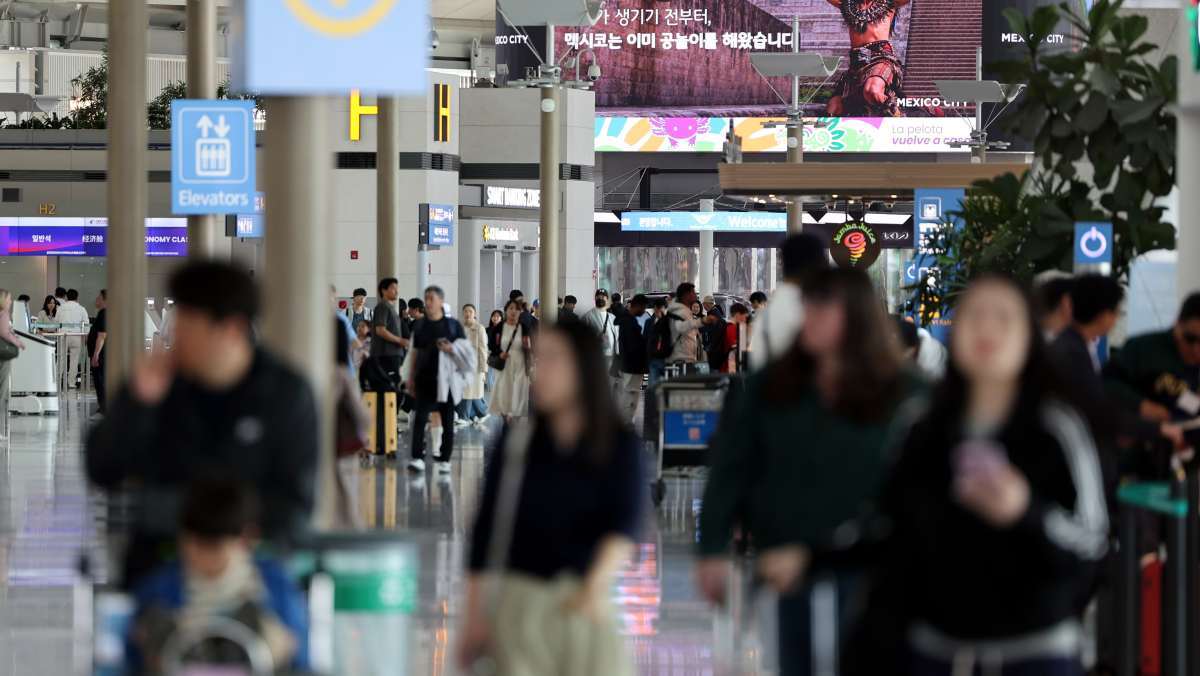
Airports were busy in both directions as Koreans headed abroad and foreign tourists arrived.
Airlines expect roughly 1.3 million passengers — arrivals and departures combined — at Incheon International Airport over the six-day stretch from the day before through the 5th. That averages about 217,000 travelers per day, above the airport’s usual daily figure of roughly 200,000.
Parks and attractions across the country drew large crowds. Online forums circulated photos and videos showing Everland in Yongin packed with families. Hikers flocked to Gwanaksan in Seoul, prompting warning text alerts from nearby cities Gwacheon and Anyang in Gyeonggi Province.
When entering a dense crowd or a packed event, do not move against the flow or stop suddenly — doing so is dangerous. Instead, move diagonally and steadily toward the edge of the crowd until you can exit safely.
If a crush begins, cross your arms in front of your chest in an X shape to create a small breathing space and protect your lungs. Keep your head up, watch your footing, and brace your legs to avoid falling.
Also, if your shoes come off or you drop something, don’t bend down to retrieve it — doing so can cause injury. Exercise extra caution.



Most Commented